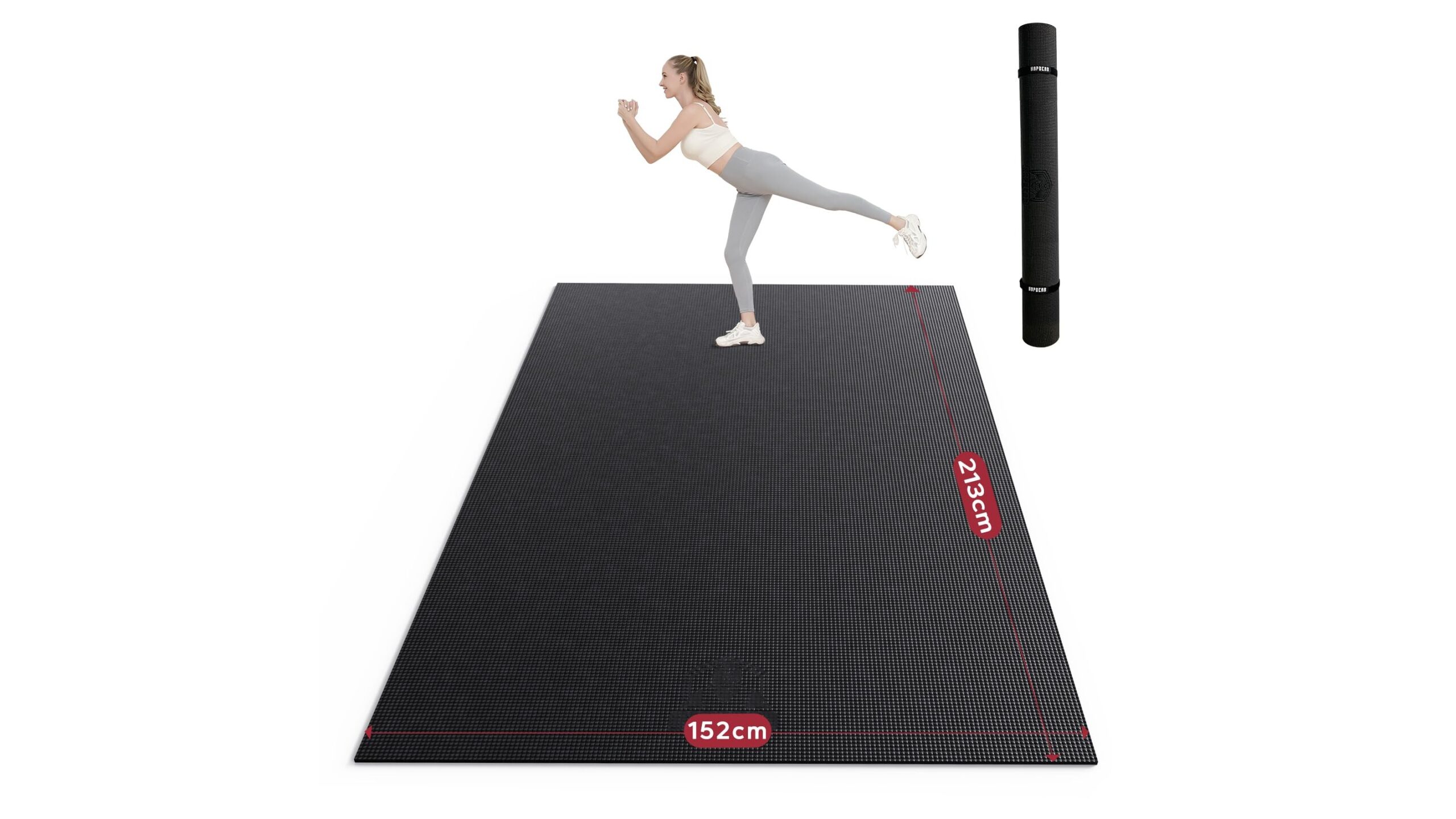
Building stronger, more resilient hips and glutes at home is one of the smartest ways to protect your lower back and boost performance in squats, deadlifts and everyday movements. A focused mobility and activation routine improves joint range of motion, wakes up underused muscles and helps you groove safer lifting patterns before you ever touch a barbell.
Table of contents
Why hip and glute health matters for lifters
Healthy hips and strong, active glutes are the foundation of every powerful hinge and squat. When these areas are stiff or switched off, your body often compensates by overloading the lower back and knees. Over time this can lead to tightness, niggles and plateaus in your lifts. A simple at-home routine that blends mobility drills with light activation work helps you move through deeper, more stable ranges, so that your barbell work feels smoother, stronger and safer.
Essential hip mobility moves to do at home
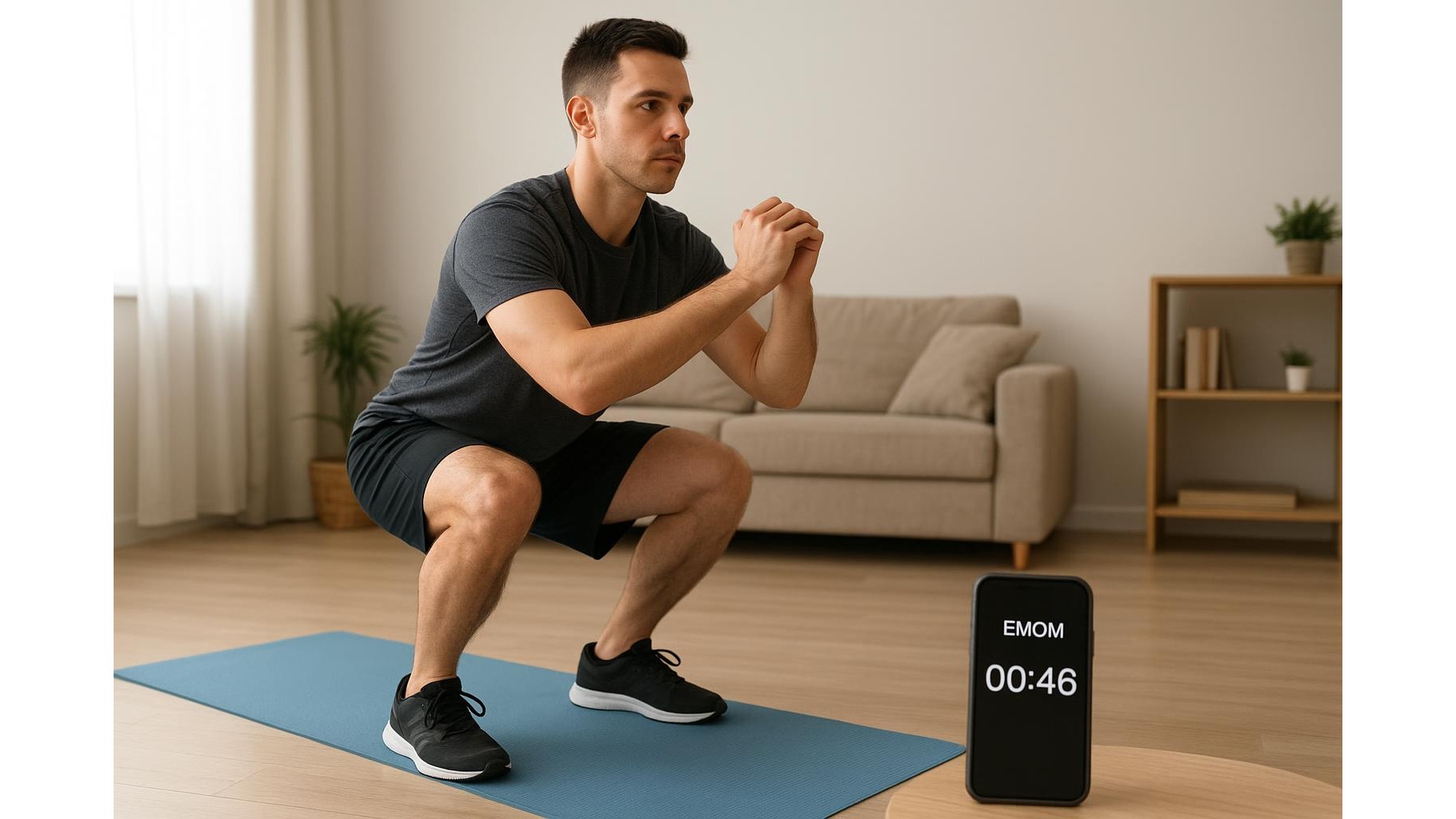
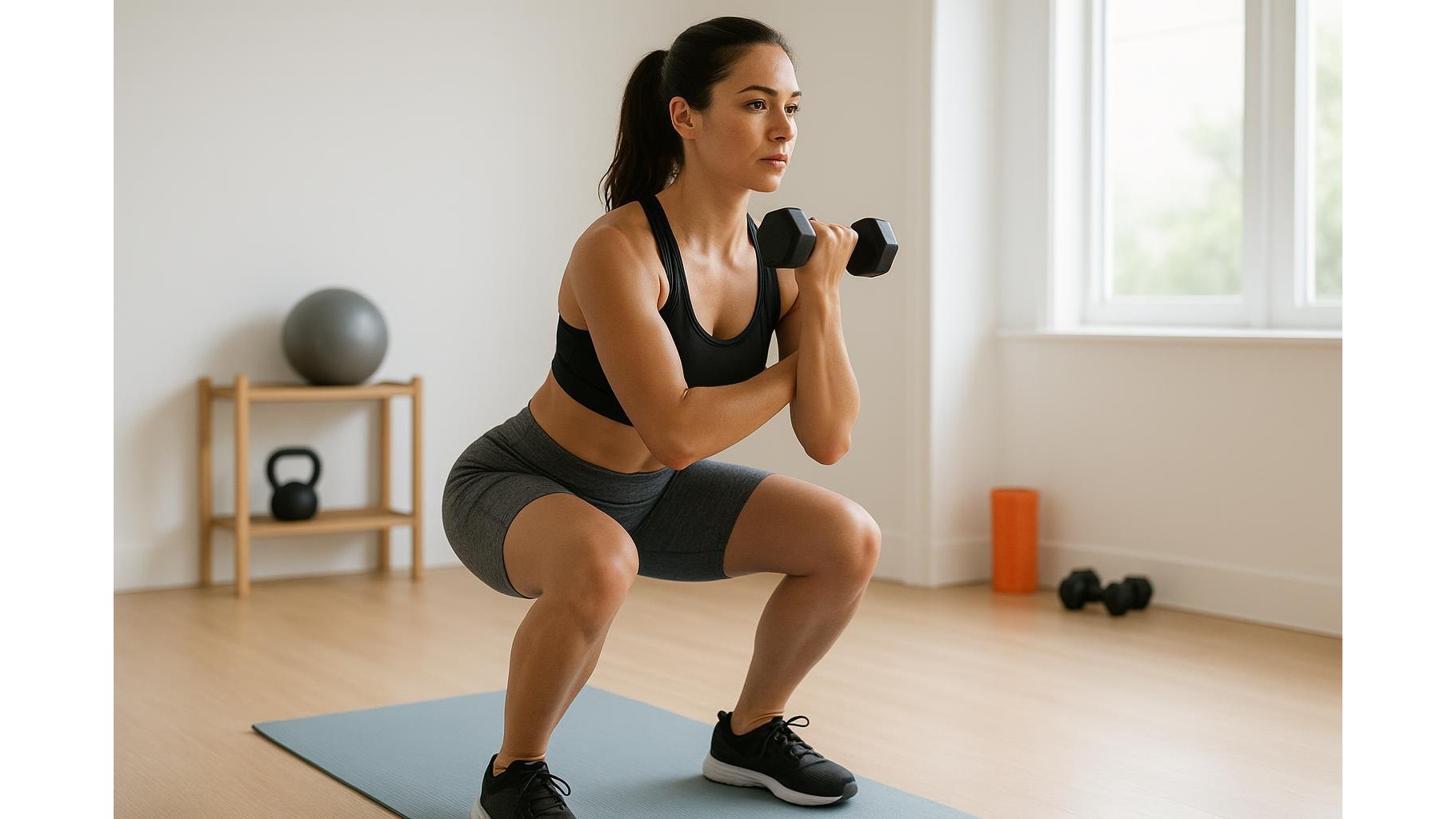
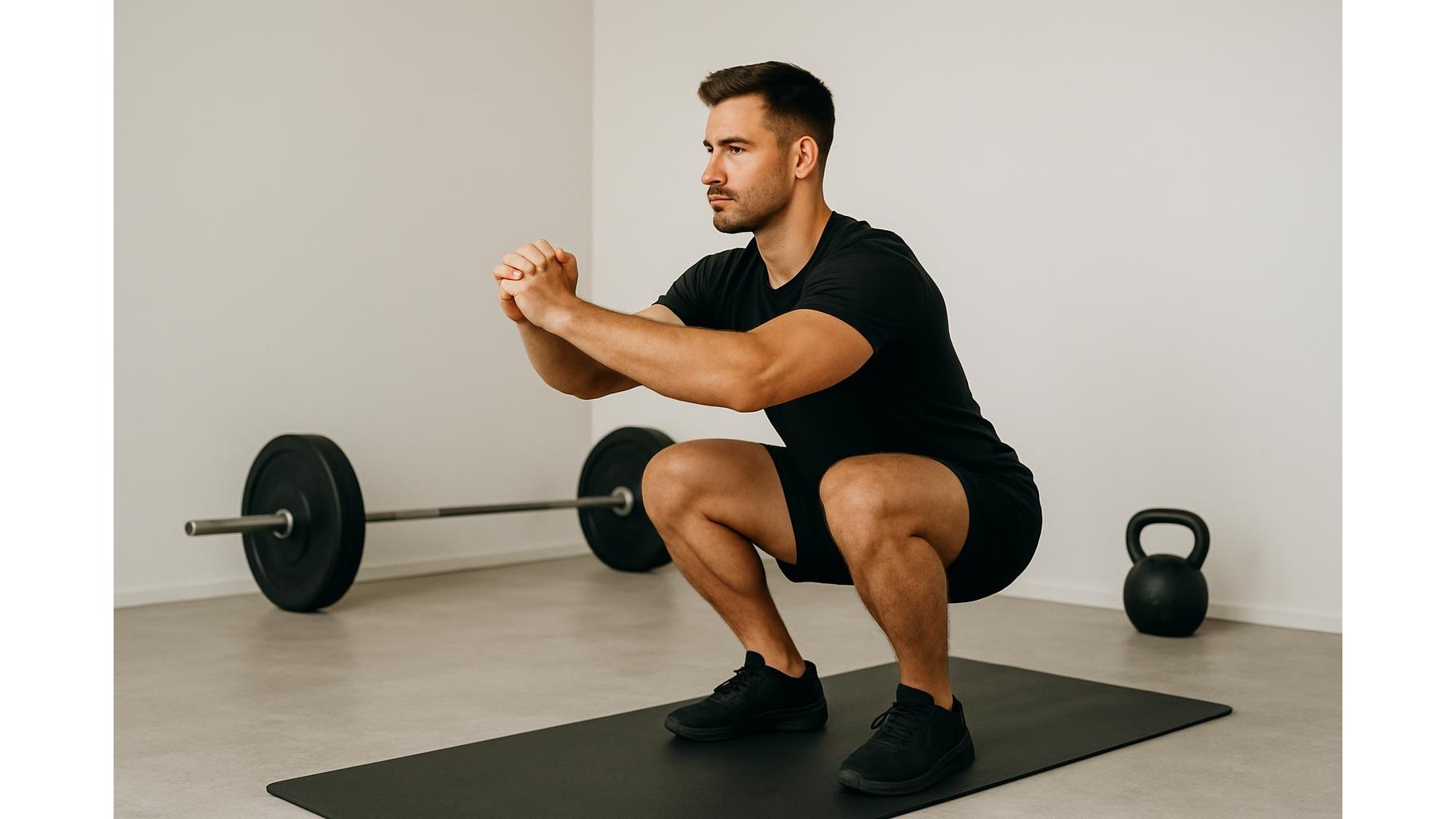
Start your session with 5–10 minutes of dynamic hip mobility. Focus on exercises like deep bodyweight squats, 90/90 hip rotations and controlled leg swings. These moves lubricate the joint, improve internal and external rotation and teach your hips to move without your lower back taking over. Aim for slow, controlled reps, breathing steadily and exploring slightly deeper ranges over time. Consistent practice will make it easier to sit into the bottom of a squat and hinge comfortably in the deadlift without rounding your spine.
Glute activation to protect your lower back
After mobility, switch to glute activation to “wake up” the muscles that should drive your heavy lifts. Think glute bridges, single-leg hip thrusts and side-lying clamshells. Keep the load light and focus on muscle engagement: you should feel the glutes burning, not the lower back cramping. This pre-fatigue encourages your body to recruit the glutes more during squats and deadlifts, spreading the work away from the lumbar spine. Over the long term, this can reduce back strain and improve hip stability in heavy sets.
Integrating the routine into your squat and deadlift days
To get the most from this home hip and glute routine, treat it as your non‑negotiable warm‑up on lower body days. Run through 3–4 hip mobility drills for 1–2 sets each, followed by 2–3 glute activation moves. Then transition directly into your squat or deadlift warm‑up sets, paying attention to how your hips track and how firmly your feet connect to the floor. On rest days, you can perform a shorter version of the routine to promote recovery, ease stiffness from sitting and reinforce good movement patterns without adding heavy loading.
Programming tips for safer, stronger lifts
For best results, keep your hip and glute routine consistent rather than randomly added. Train it 3–5 times per week, adjusting volume to your overall workload. Prioritise quality over quantity: smooth, controlled reps with good alignment beat rushed, high‑rep sets every time. If any drill causes sharp pain, reduce the range of motion or substitute a friendlier variation. Over weeks, you should notice improved depth and control in squats, more powerful deadlift lockouts and less post‑session back tightness as your body learns to rely on strong, mobile hips and fully engaged glutes.
Building a long-term hip and glute care habit
Hip and glute health is not a one‑off fix but an ongoing part of smart strength training. By carving out a small daily window for mobility and activation, you invest in joints and muscles that support every big lift you perform. Over time, this habit can mean fewer setbacks, greater training longevity and more confident performance in squats, deadlifts and other compound movements. Treat your at‑home routine as essential maintenance, and your hips, glutes and lower back will repay you with stronger, safer lifting for years to come.