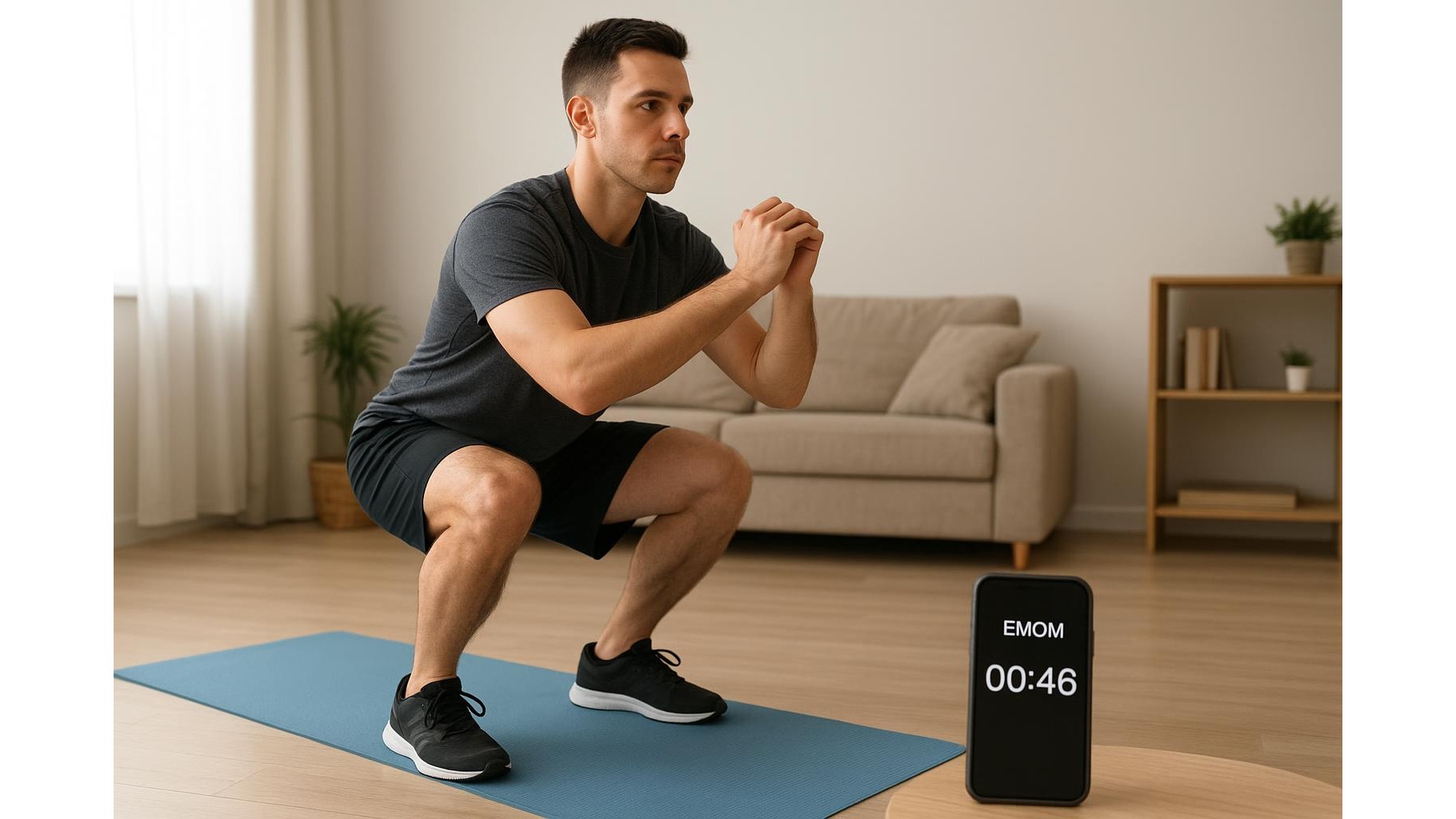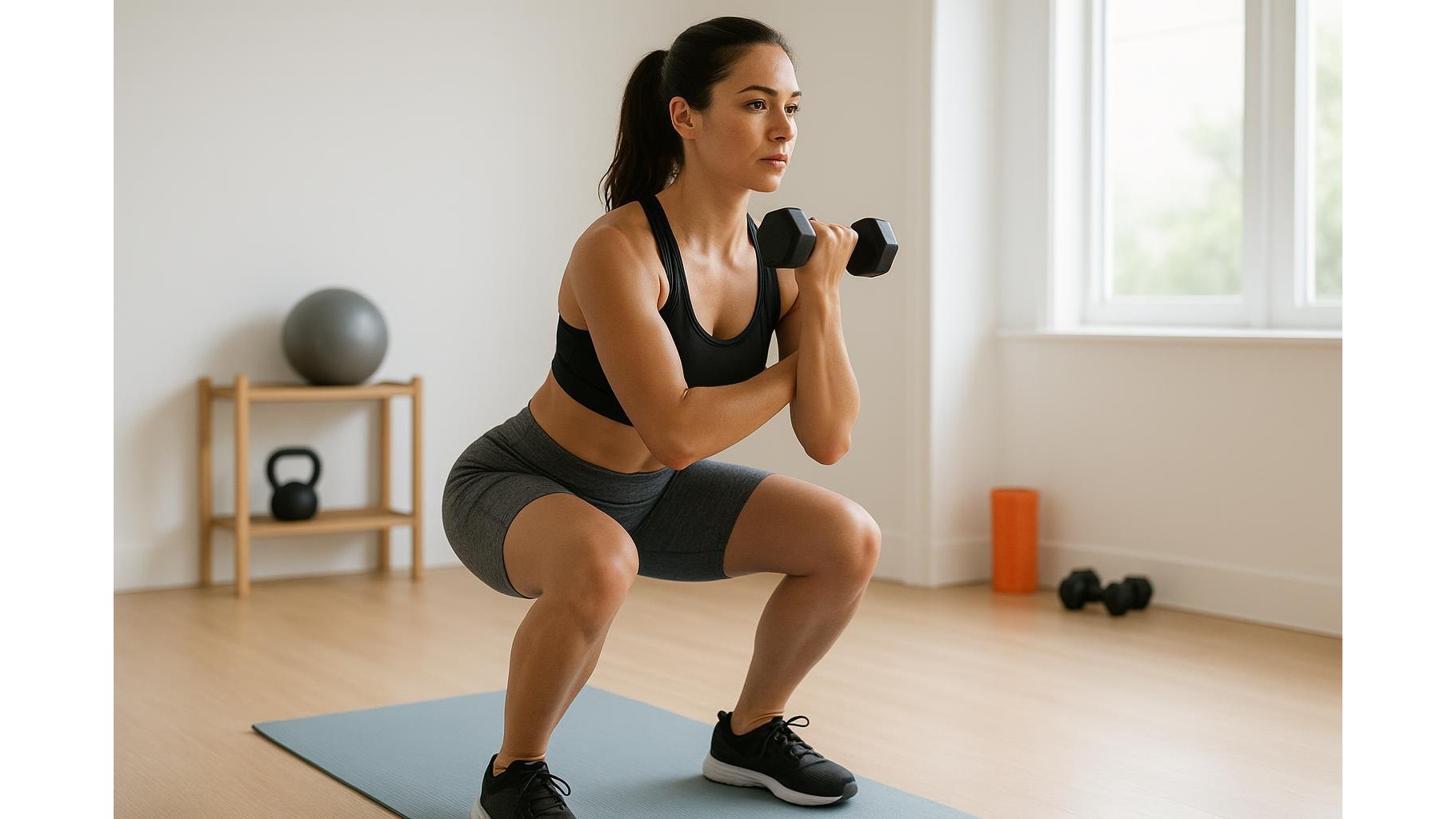
Strong, supple calves and stable ankles are the quiet heroes of every home workout. Whether you love treadmill runs, dance cardio or simple step-ups, these small joints and muscles take big loads with every session. A simple routine of mobility, light strengthening and self-massage can dramatically improve balance, reduce the risk of ankle tweaks and keep your home cardio feeling smooth and safe.
Table of contents
Gentle warm-up and mobility for calves and ankles
Before you hit your bike, stepper or workout mat, spend 3–5 minutes on targeted ankle mobility. Start with slow ankle circles seated or standing, then perform heel-to-toe rocks, shifting weight from your heels to your toes. Add standing calf stretches against a wall, keeping the back knee straight first, then slightly bent to reach both major calf muscles. This light prep boosts blood flow, eases stiffness from sitting and primes your lower legs for impact, especially if you are prone to tight calves or morning foot pain.
Light strengthening to build resilient calves and ankles
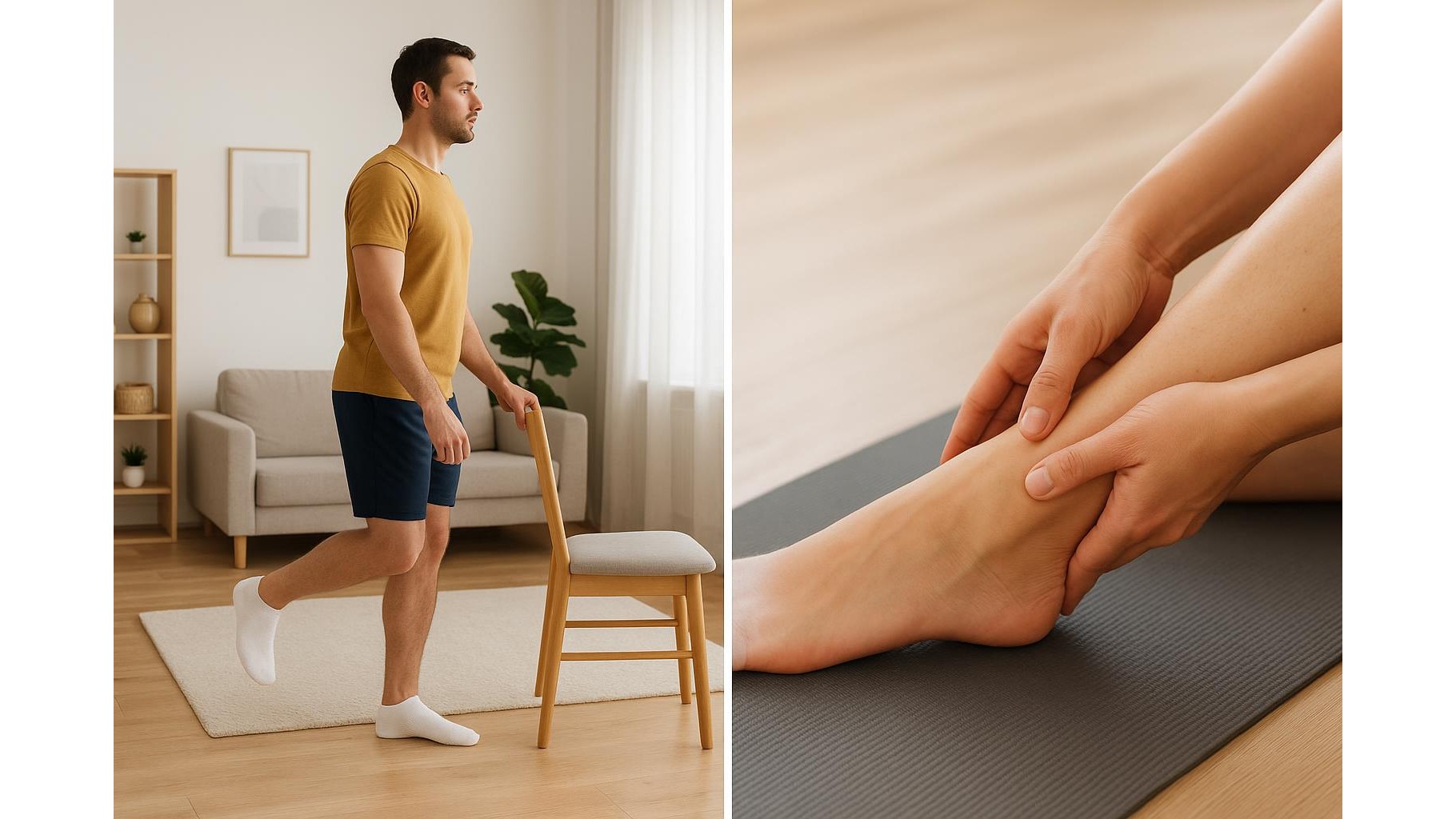
Strength work for the lower leg does not need to be heavy to be effective. Start with double-leg calf raises on the floor, then progress to single-leg calf raises while lightly holding a chair or wall for balance. Add “alphabet” drills, tracing letters in the air with your foot to train the smaller stabilising muscles around the ankle. Simple single-leg stands for 20–30 seconds per side, a few times a day, challenge balance and ankle stability without equipment, making your joints more resilient for home cardio sessions.
Self-massage for recovery and tension relief
After your workout, a few minutes of self-massage can help reduce tightness and support recovery in the calves and around the Achilles. Use your hands to gently knead from the ankle upwards, pausing on tender points and breathing slowly. You can also roll the sole of your foot over a small ball or bottle to ease tension that travels up the back of the leg. Even without specialised tools, this simple practice improves circulation, reduces post-workout stiffness and helps you notice early warning signs such as persistent soreness or pinpoint pain.
Balance training to safeguard every step
Good balance training is one of the most powerful ways to protect ankles during home workouts. Practice single-leg stands while brushing your teeth, progress to turning your head side to side, then try gentle reaches with the free leg or opposite hand. Small lateral steps and slow, controlled heel-to-toe walks along a straight line challenge your proprioception – your body’s sense of position in space. This kind of training not only supports safer home cardio but also makes everyday activities like stairs, quick turns and carrying loads feel more secure.
Smart home cardio habits to protect calves and ankles
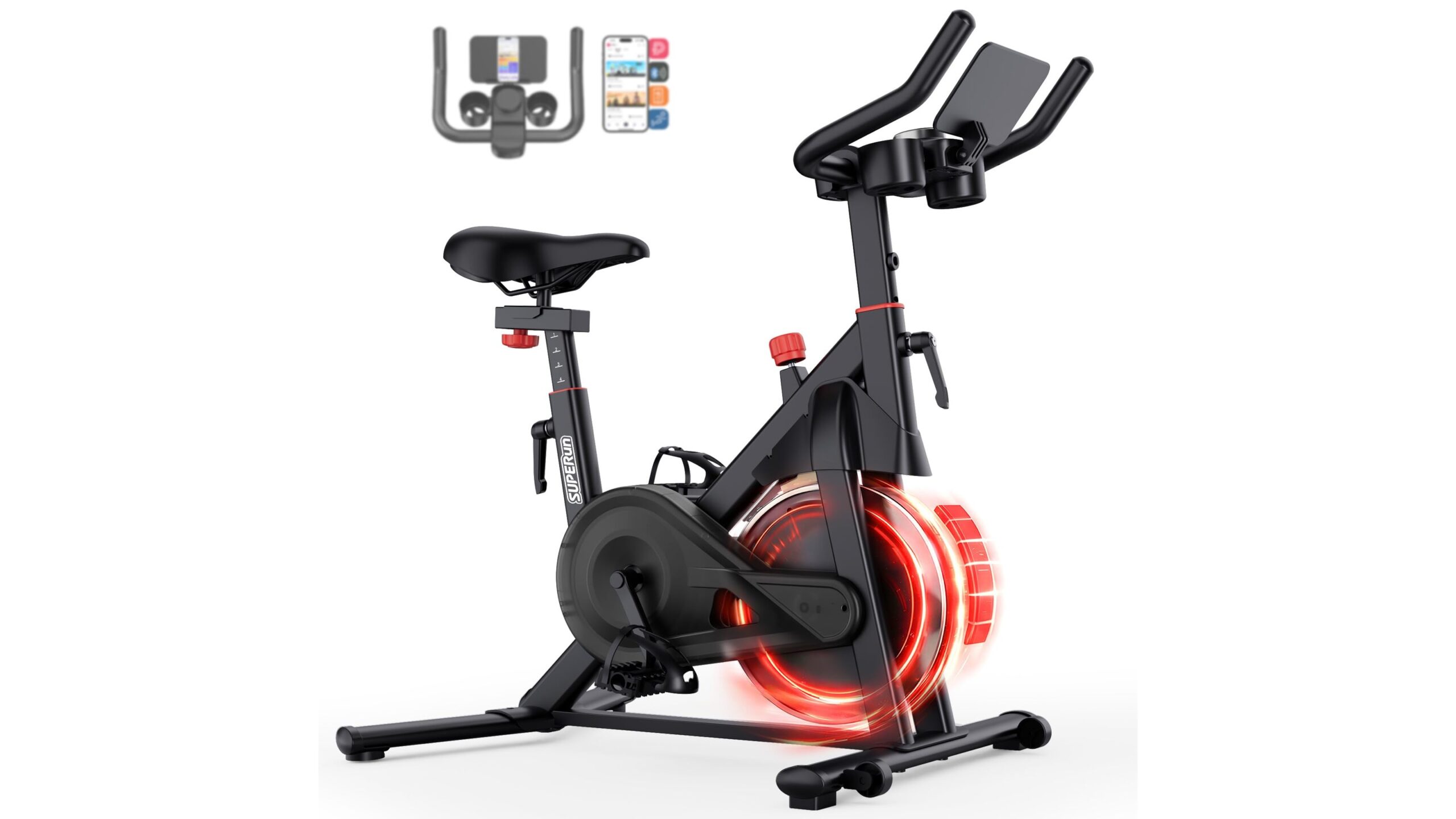
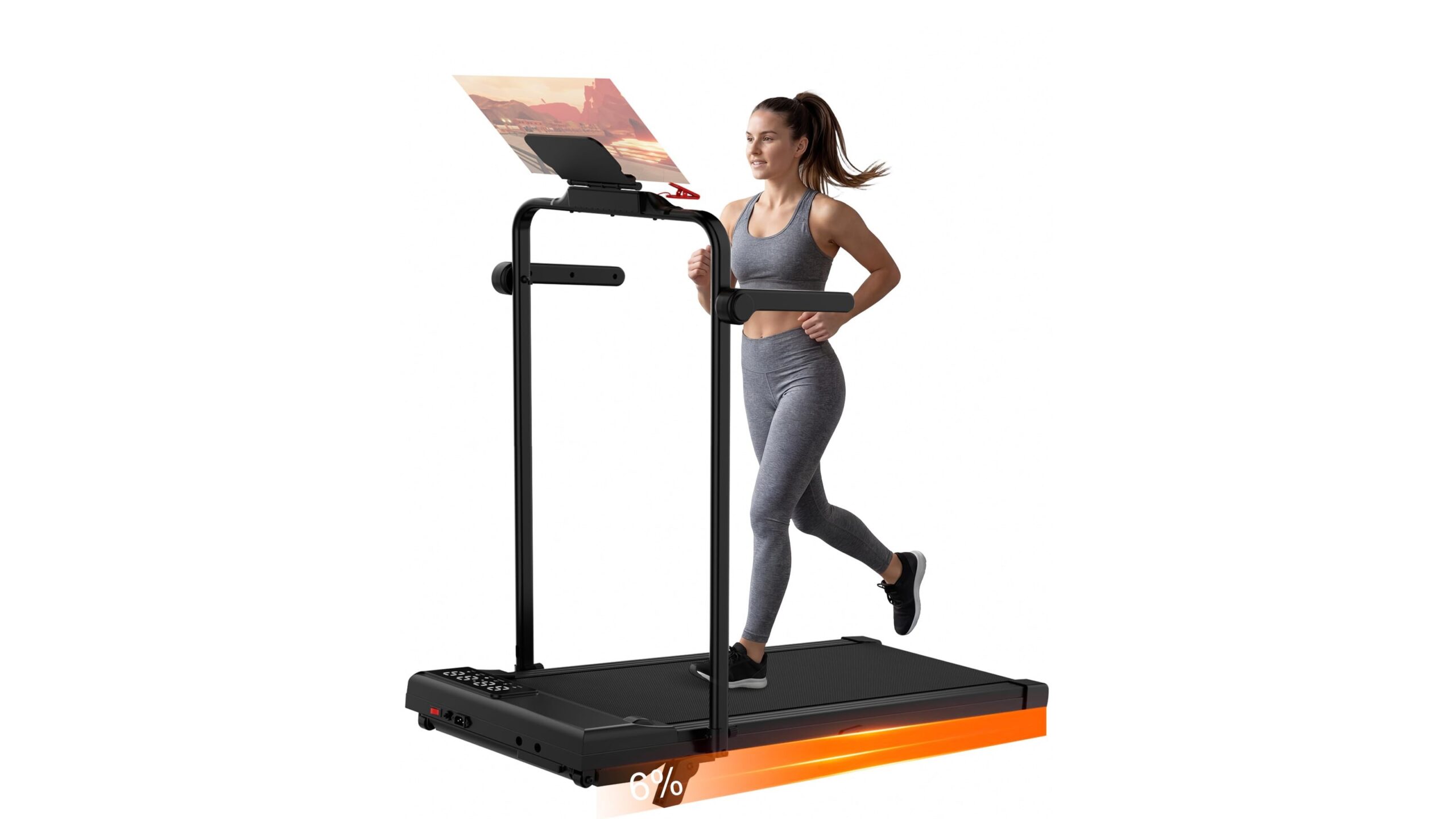
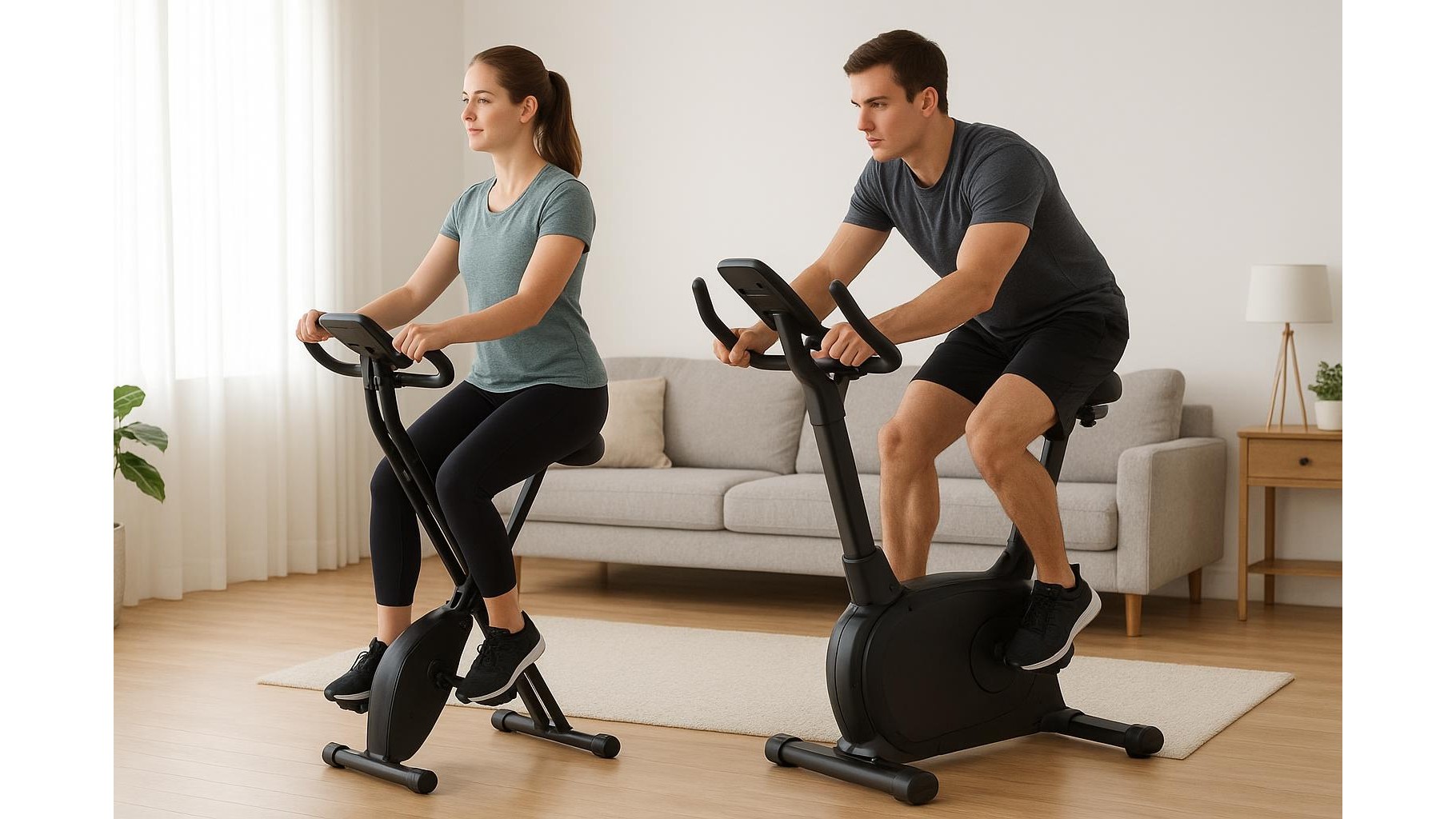
How you structure your home cardio matters as much as the exercises themselves. Always include a gradual warm-up and cool-down so the calves and ankles are not shocked by sudden intensity. Vary impact across the week – mix higher-impact sessions like jump workouts or running with lower-impact options such as cycling, elliptical or marching in place. Choose supportive footwear that matches your surface and replace very worn shoes that no longer cushion your steps. If you notice swelling, sharp pain or instability, scale back, switch to low impact and, if needed, seek professional guidance.
Caring for your calves and ankles at home does not require complex routines or bulky gear. A consistent mix of mobility drills, light strengthening, balance practice and simple self-massage can make your lower legs more resilient, your movements more confident and your home cardio safer and more enjoyable. Invest a few focused minutes before and after your workouts, listen to early warning signs, and your joints will repay you with smoother strides and better stability in every session.