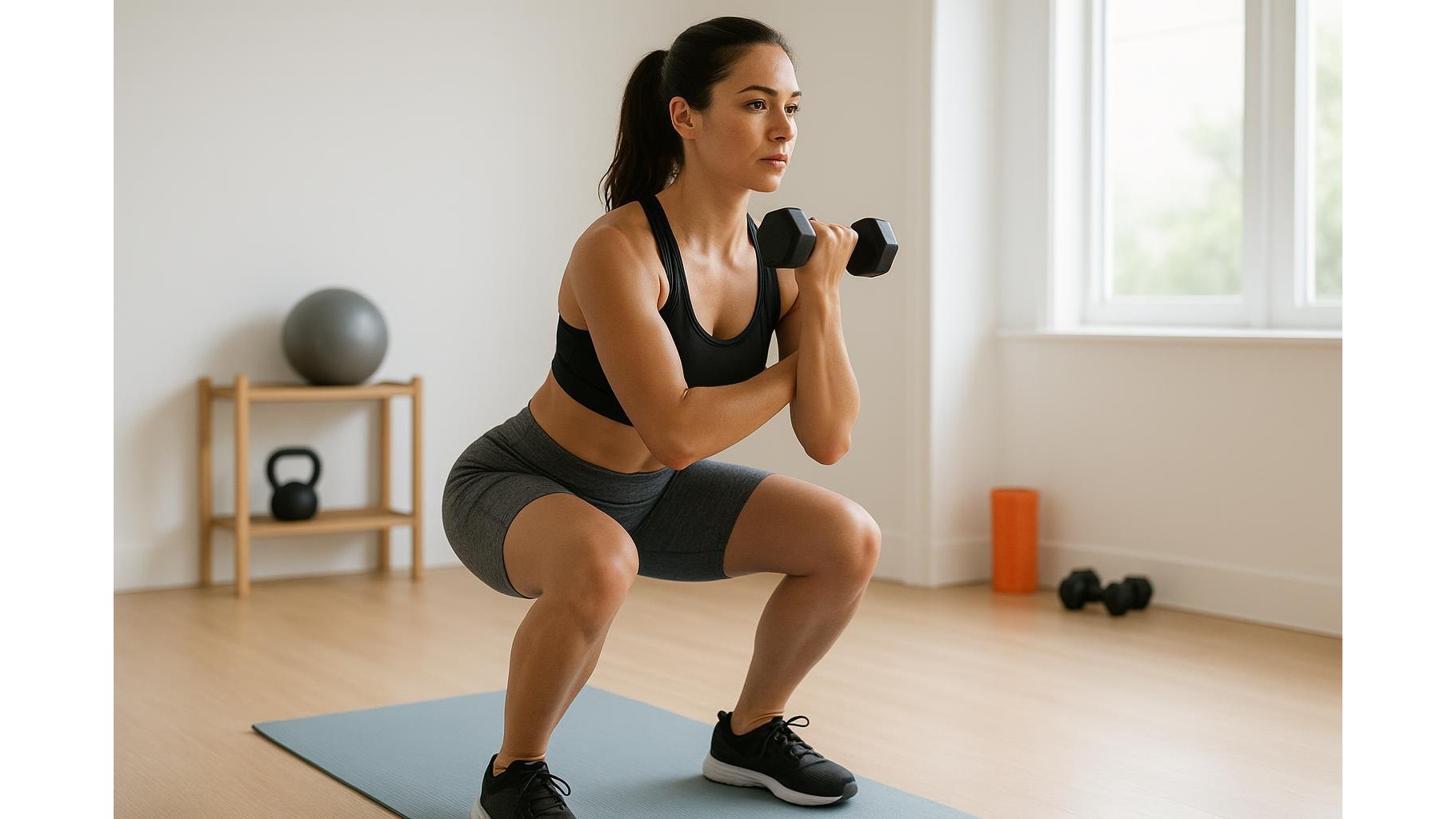
When you push hard in training, your body ramps up into a high-alert, sympathetic state: heart racing, breath shallow, mind wired. If you never actively switch back into a calm, parasympathetic mode, you may notice poor sleep, lingering muscle tension and mental fatigue. Simple, at-home breathing routines for recovery are a powerful way to downshift your nervous system, reduce post-workout stress and support long-term consistency with your home workouts.
Table of contents
Why post-workout breathing matters for recovery
After training, your body needs to move from “fight or flight” to “rest and digest”. Deliberate breathwork for recovery helps slow heart rate, lower blood pressure and signal safety to your brain. This speeds up muscle recovery, supports digestion and sets the stage for better sleep later that night. Instead of collapsing on the sofa scrolling your phone, five to ten minutes of focused breathing on your living room floor becomes a ritual that separates training from the rest of your day and prevents stress from bleeding into your evening.
Setting up your home space for relaxation
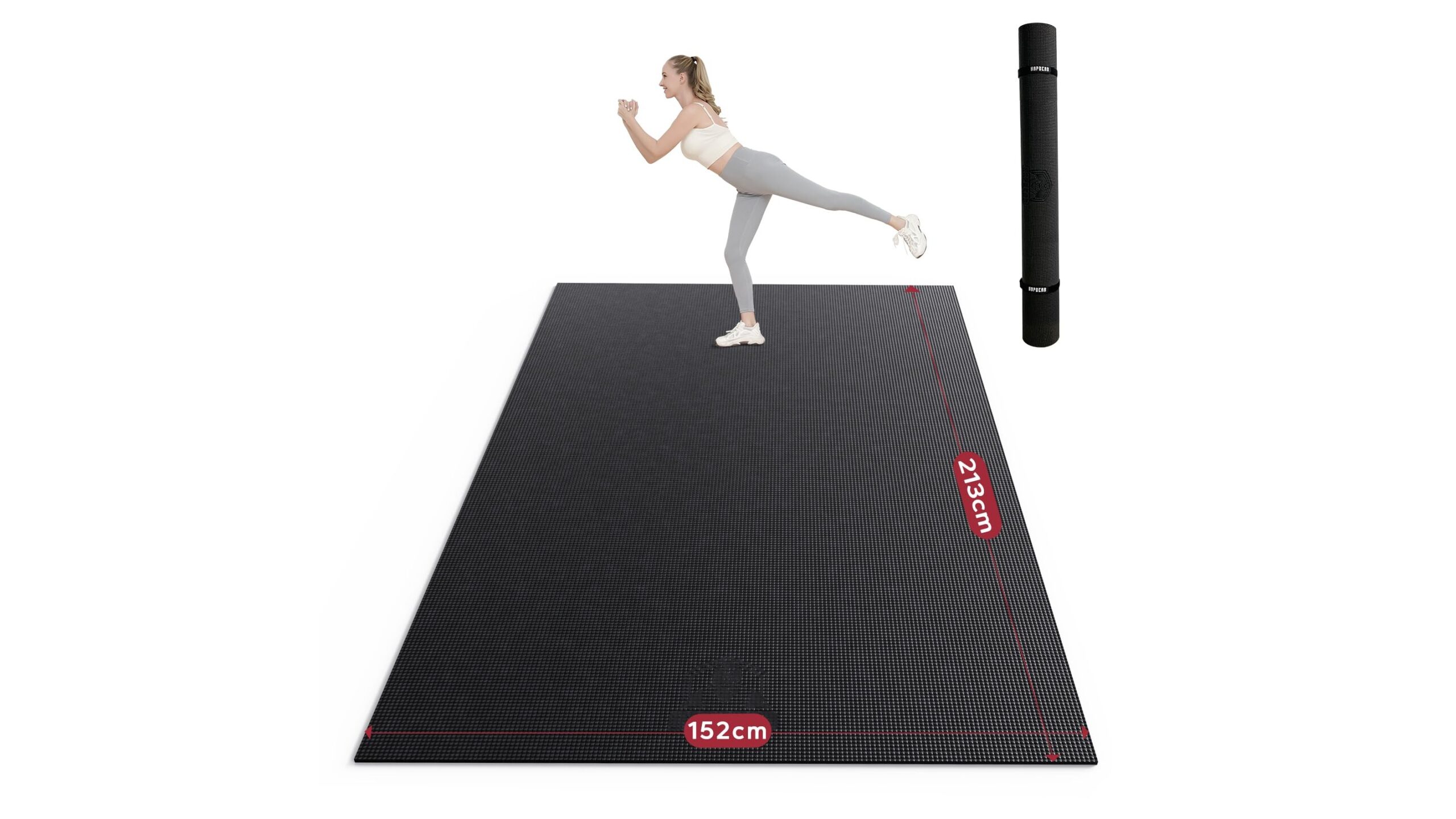
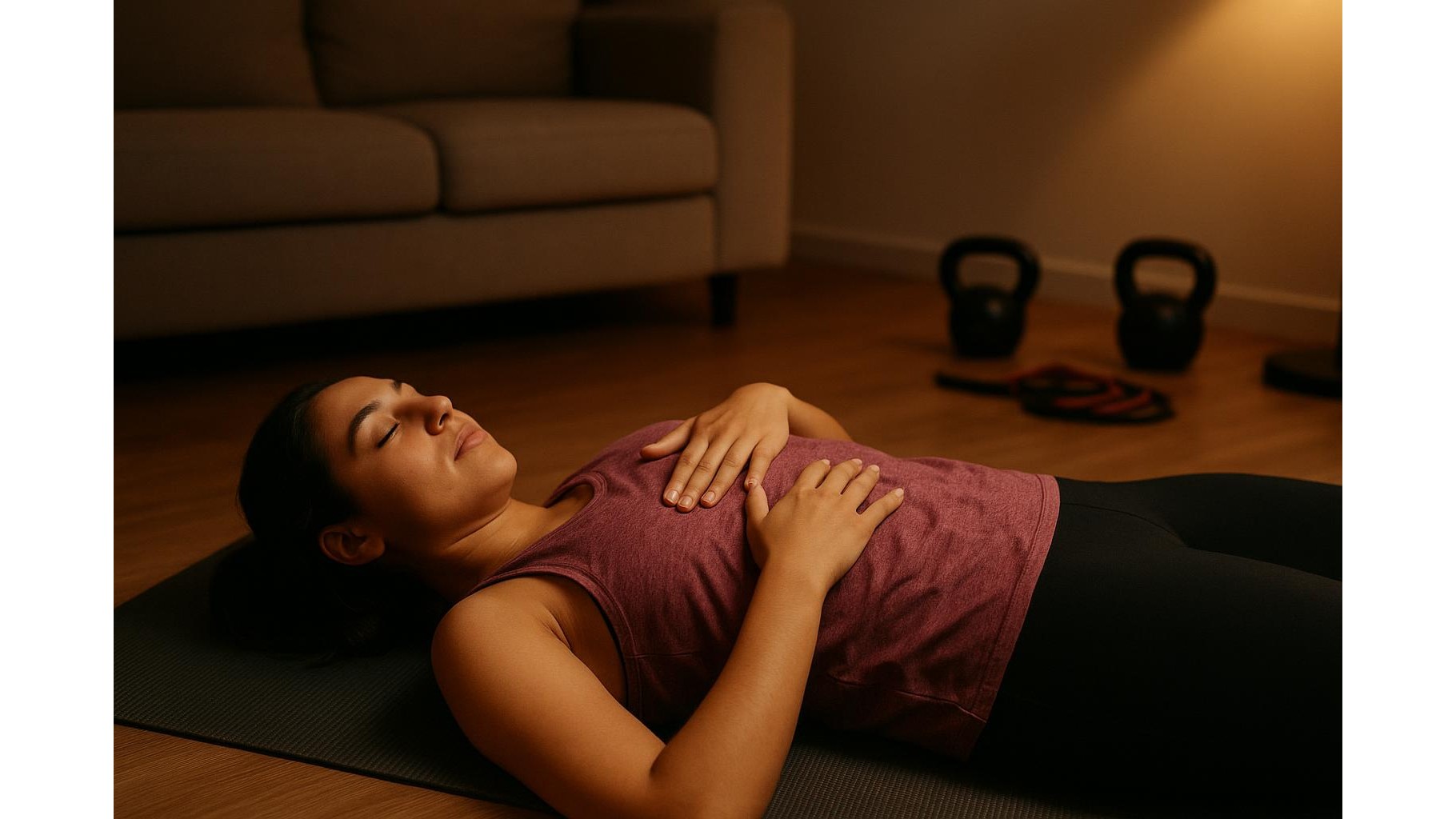
To get the most from these at-home breathing routines, create a simple recovery corner. Lay down a comfortable exercise mat or thick rug, dim the lights and reduce noise where possible. Lie on your back with your feet flat and knees bent, or elevate your legs on a sofa cushion to take pressure off your lower back. You can place a folded towel under your head so your neck stays neutral. The goal is comfort and stability so you can focus entirely on your breath rather than on joint discomfort. Consider keeping a light blanket nearby; feeling warm and supported further encourages your nervous system to let go of residual tension.
Foundational drill: basic diaphragmatic breathing
Start with diaphragmatic breathing, also called belly breathing. Lie on your back with one hand on your chest and one on your abdomen. Inhale slowly through your nose for about four seconds, aiming to expand your lower ribs and belly so the bottom hand rises while the top hand stays relatively still. Then exhale gently through the nose for four to six seconds, allowing the ribs to soften and the belly fall. Continue this pattern for three to five minutes. This shifts the workload from accessory breathing muscles in your neck and shoulders to the diaphragm, improving breathing efficiency and directly stimulating the parasympathetic nervous system to promote calm.
Box breathing and extended exhales to calm the mind
Once you feel comfortable with belly breathing, you can progress to structured patterns like box breathing to further calm your nervous system. Inhale through the nose for a count of four, hold for four, exhale for four, then pause with empty lungs for four before repeating. Perform this for two to five minutes, staying relaxed rather than forcing the holds. Another effective option is emphasizing long exhales, such as inhaling for four seconds and exhaling for eight. Longer exhales increase vagal tone, which is associated with relaxation, lower heart rate and a quieter mind—perfect if you tend to feel wired, anxious or restless after intense training sessions.
Integrating breathing with gentle mobility and body scans
To deepen relaxation, pair your breathing drills with slow mobility work or a simple body scan. Between sets of diaphragmatic breaths, bring your knees side-to-side in a controlled windshield-wiper motion, syncing movement with your exhale to release the lower back and hips. Alternatively, lie still and move your attention from your feet up to your head, noticing any tension. With each long exhale, imagine softening the muscles in the area you are focusing on. This mindful approach turns your cool-down into an integrated recovery practice that addresses not only muscular tightness but also accumulated mental stress from work, life and training.
Building a sustainable post-workout breathing habit
The benefits of these at-home breathing routines for recovery come from consistency rather than intensity. Aim to perform at least five minutes of breathwork after your main home gym sessions, and ten minutes after particularly hard strength or conditioning days. You can also use these same drills before bed to ease the transition into sleep. Over time, you may notice lower perceived soreness, improved sleep quality and a calmer baseline mood. Treat this practice as a non-negotiable extension of your workout, just like cooling down or putting away your equipment, and your nervous system—and your long-term progress—will thank you.
In summary, guided breathing on your living room floor is a simple, equipment-free way to calm your nervous system, reduce post-workout stress and improve sleep. By prioritising diaphragmatic breathing, structured patterns like box breathing and mindful body awareness, you turn the end of each workout into a powerful recovery ritual that supports both physical adaptation and long-term training consistency.