Home lifters often focus on heavier weights and smarter programming, but long-term progress also depends on how well you care for your spine between sessions. The hours you spend sitting, sleeping and moving around the house can either support or sabotage your back. With a few evidence-informed tweaks to your daily habits, environment and mobility work, you can reduce stiffness, manage load on your lower back and keep lifting consistently for years.
Table of contents
Build spine-friendly daily habits
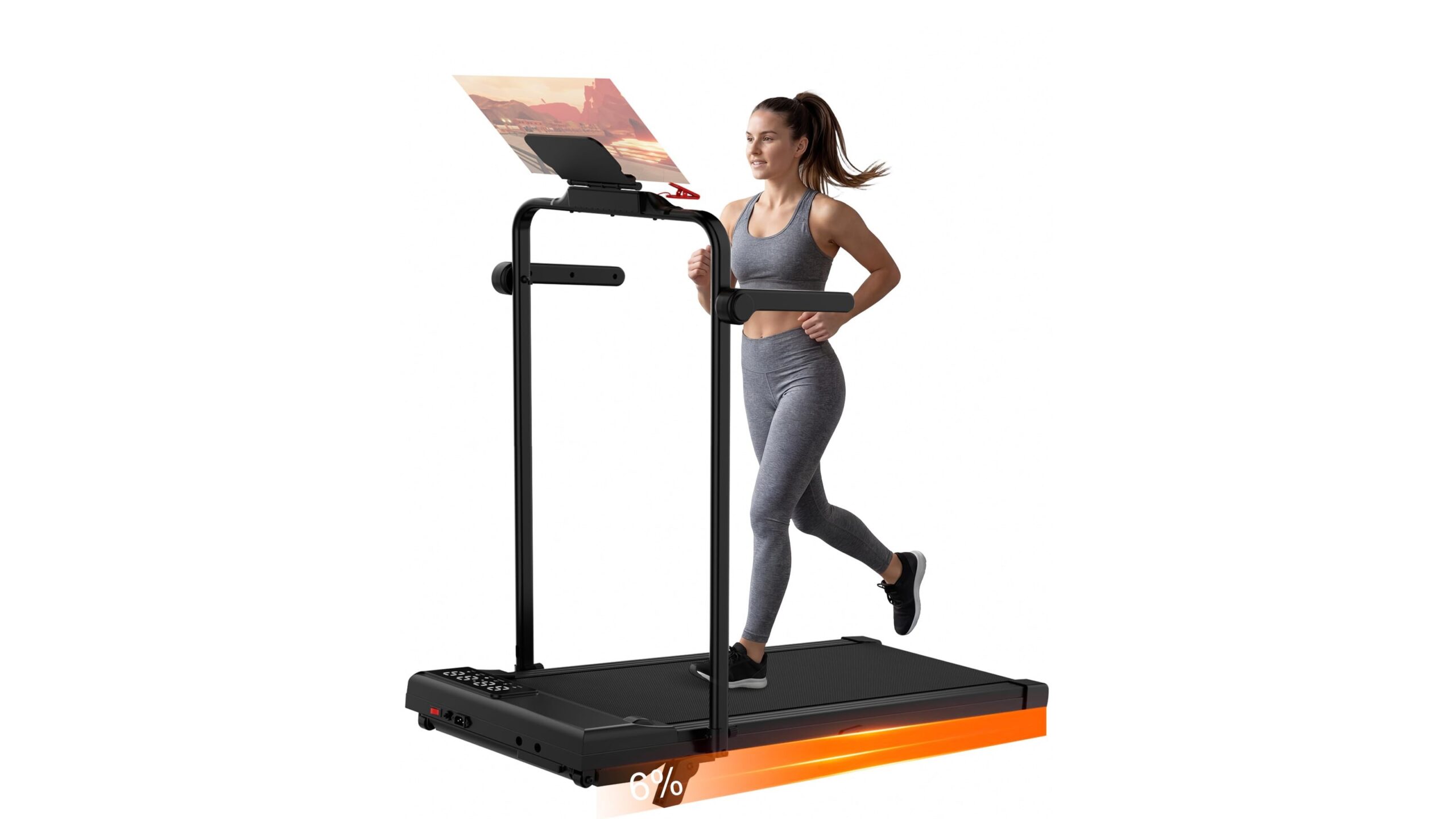
Your back doesn’t just experience stress during deadlifts and rows; it’s also affected by the way you sit, stand and move throughout the day. Aim to change position at least every 30–45 minutes rather than holding a single posture for hours. Alternate between sitting and standing, and when you sit, keep your hips slightly higher than your knees to reduce pressure on the lumbar spine. Walking breaks of 3–5 minutes help restore blood flow to the spinal tissues, reducing that familiar “desk stiffness”. Combine these micro-breaks with gentle shoulder rolls and pelvic tilts to keep your whole posterior chain moving and ready for your next workout.
Support your back while you work and game
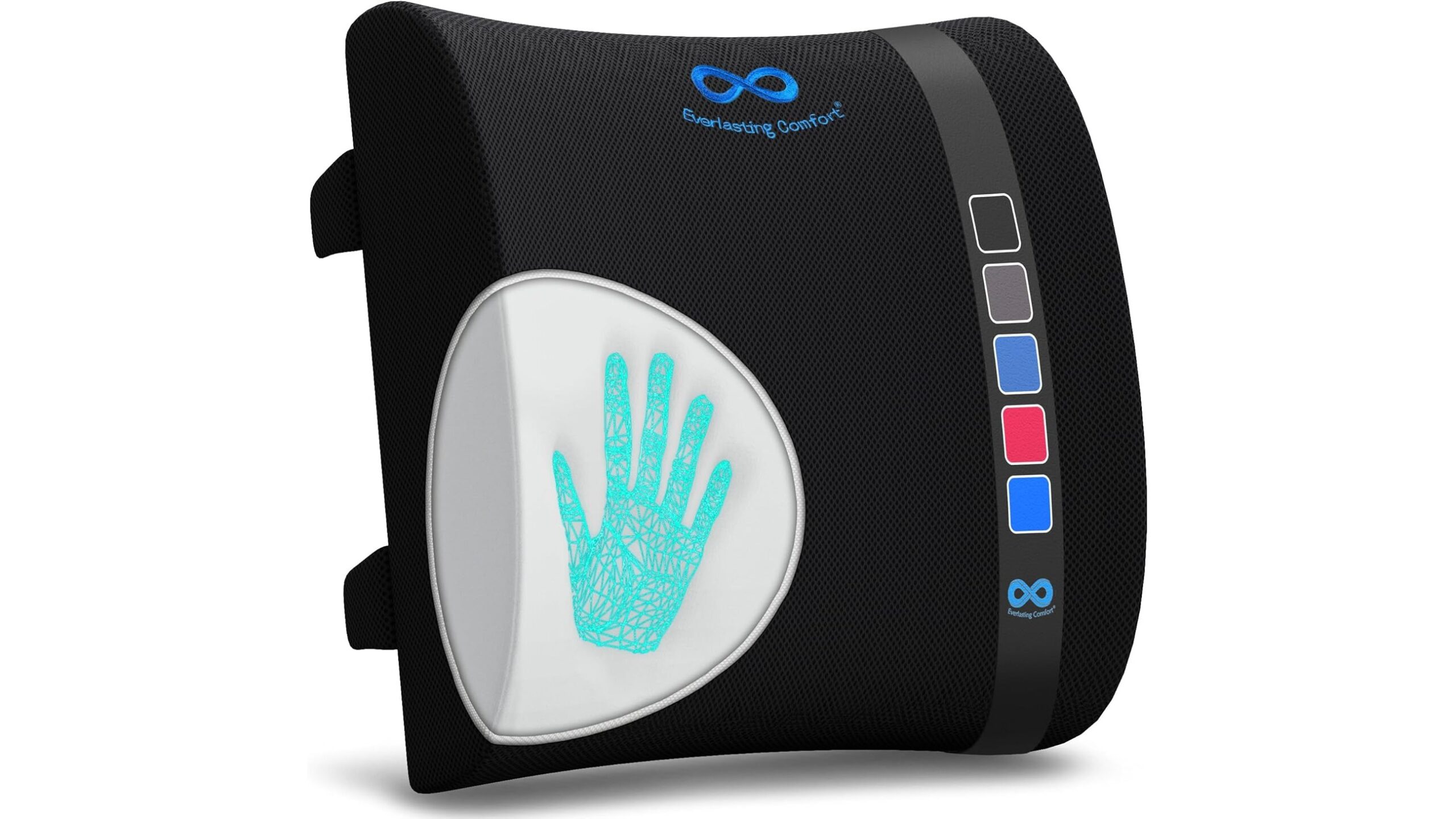
Many lifters spend more time at a desk or on the sofa than under a barbell, so smart lumbar support can be a powerful recovery tool. A dedicated cushion helps maintain a natural curve in your lower back and makes it easier to sit upright without constant effort. The Everlasting Comfort Lumbar Support Pillow for Office Chair – Memory Foam Back Cushion uses slow-rebound memory foam and adjustable straps to fit most office and gaming chairs, car seats and couches. Its contoured design encourages a neutral posture, while the breathable mesh cover keeps you cooler during long work or gaming sessions. For home lifters, this kind of cushion can reduce the cumulative stress of prolonged sitting, so you arrive at each session with a fresher, less fatigued back.
Gentle daily mobility for a happier spine
Joint and tissue health respond well to regular, low-intensity movement. Instead of saving all your mobility work for warm-ups, sprinkle short spine-friendly mobility sessions into your day. Think cat–camel movements, segmental roll-downs, and controlled pelvic tilts rather than aggressive stretching. These drills help your spine move through flexion and extension under light load, which can improve tolerance to the positions you use when you lift. Aim for 5–10 minutes of gentle mobility one to three times per day, keeping the intensity low enough that you finish feeling looser, not fatigued. Over time, this consistency does more for back comfort than occasional long stretching sessions.
Recover smarter between heavy lifting days
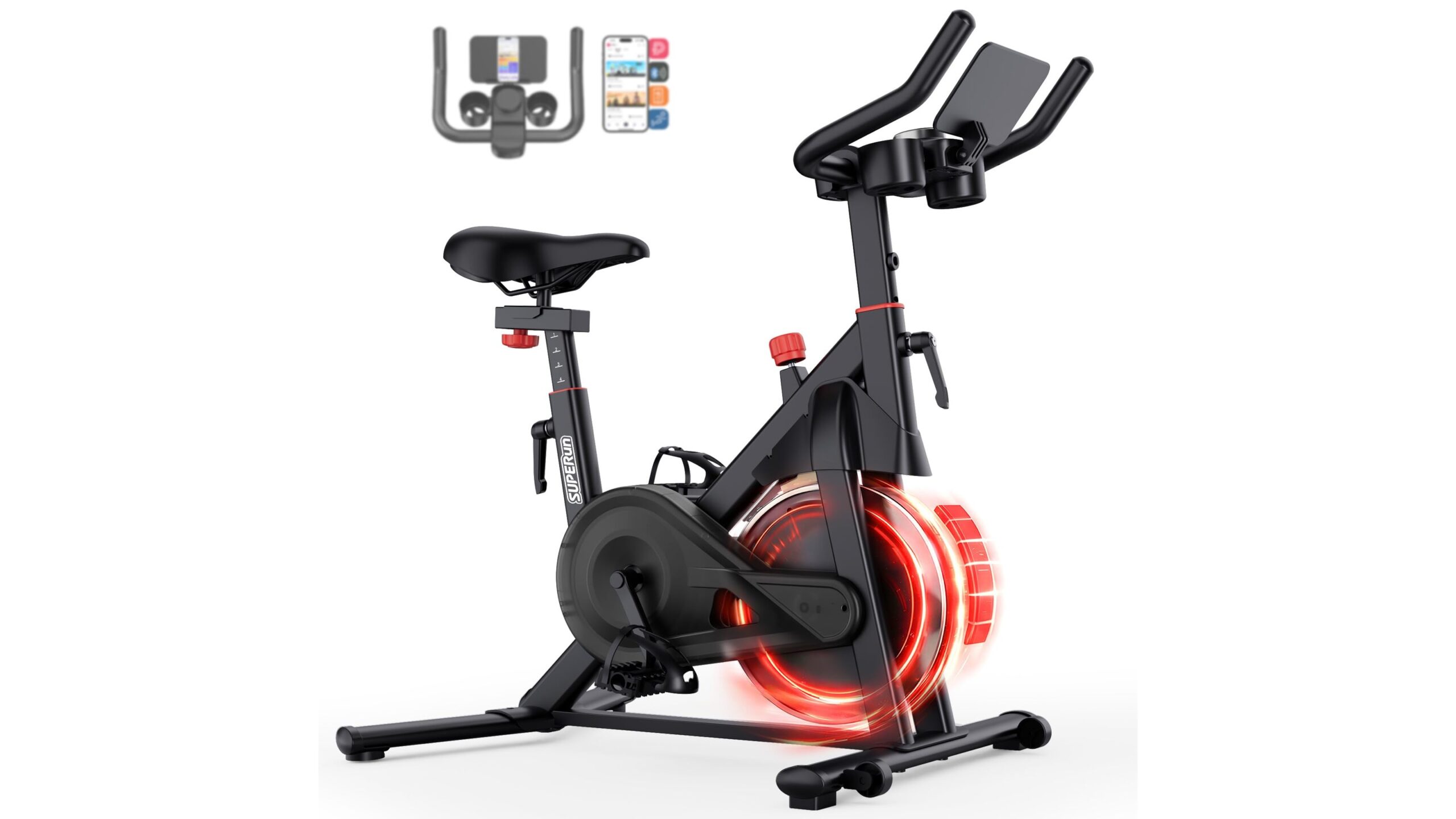
Recovery is more than foam rolling and a quick stretch. For long-term back health, monitor your total weekly load, not just the weight on the bar. Continue walking and performing light daily activities, but avoid adding lots of extra heavy chores on your hardest training days. Prioritise sleep, as 7–9 hours supports tissue repair and pain regulation. On rest days, use low-intensity activities like easy cycling or walking to increase circulation without overloading your spine. If your lower back feels tight, replace heavy hinging patterns with hip-dominant accessory work that keeps the spine neutral, allowing irritated tissues to settle while you maintain training momentum.
Set up a back-friendly home environment
Your home layout can either help or hinder your spinal alignment. Adjust your screen height so the top sits roughly at eye level, and bring the keyboard close enough to keep elbows near your sides, reducing the tendency to slouch. When relaxing, support your arms and back with cushions so you aren’t constantly flexed into a C-shape on the sofa. Store frequently used items at mid-height to avoid repeated deep bending or awkward twisting. In your home gym, organise plates and dumbbells so you can lift them with a hip hinge and neutral spine rather than rounding forward from the waist. These small environmental tweaks reduce daily mechanical stress on your back and complement your lifting technique work.
Listening to your back without fear
The goal of at-home back care isn’t to avoid all discomfort; it’s to build a resilient, load-tolerant spine over time. Occasional tightness or mild soreness, especially after new or heavier lifts, is common and usually not a sign of damage. Pay attention to trends: increasing pain, night pain, or symptoms radiating down the leg warrant professional assessment. Otherwise, combine reasonable training progressions with supportive seating, gentle daily mobility and a back-friendly home setup. By treating your spine with the same respect you give your squat and deadlift numbers, you create a sustainable foundation for strength, performance and long-term health.