
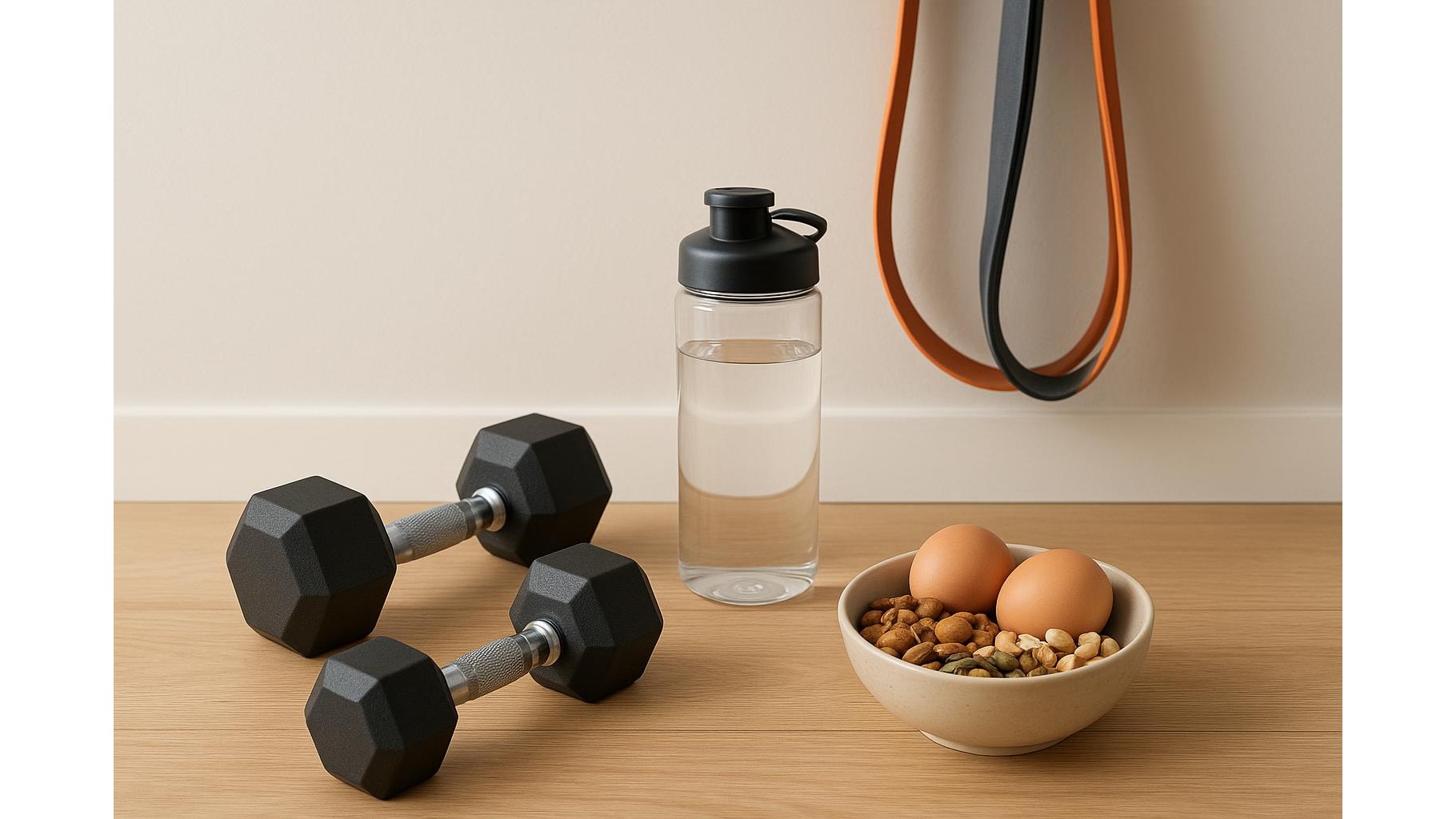
Training consistently in your home gym stresses your body in a good way – but only if your nutrition keeps up. One mineral that often comes up in fitness circles is zinc, touted for everything from immunity to testosterone. For home athletes, understanding what zinc really does, how much you need, and when a zinc supplement actually makes sense can help you avoid both deficiencies and the risks of overdoing it.
Zinc, immunity and recovery for home training
Zinc is essential for a healthy immune system and efficient muscle recovery. It is involved in hundreds of enzymatic reactions, including those that help repair tissue after strength training or high‑intensity intervals in your garage or living room. A mild zinc deficiency can mean more frequent colds, slow wound healing and feeling unusually run-down after workouts. However, taking large doses of zinc will not turn you into an immune superhuman. The goal is to maintain adequate levels through a mix of food and, if necessary, a modest supplement – not to megadose in the hope of extra gains.
Zinc, hormones and performance: separating myths from facts
In the home fitness world, zinc is often linked to testosterone and marketed as a natural performance enhancer. The evidence shows that fixing a clear deficiency can normalise testosterone in people who are low in zinc, which may support strength, muscle mass and libido. But if your zinc status is already normal, extra zinc will not push your hormones above your natural baseline. Supplements advertised as miracle boosters are usually just expensive ways to create very zinc-rich urine. For most home athletes, focusing on adequate dietary zinc, good sleep, and progressive training will do more for performance than chasing hormonal shortcuts.
How much zinc do home athletes really need?
Recommended intakes for adults are typically in the range of about 8–11 mg of zinc per day, depending on sex and life stage, with slightly higher needs in some situations such as intense training combined with low calorie intake. Many basic multivitamins contain around 5–15 mg, which is generally safe. Problems start when people stack several products – a multivitamin, plus a separate zinc tablet, plus a sports formula – and unknowingly reach 40–50 mg or more every day. Long-term high intakes can lower copper levels, disturb iron metabolism and even impair immune function, the exact opposite of what athletes want. As a home trainee, aim to cover most of your zinc from food and use supplements mainly to fill small gaps rather than to double or triple the recommended dose.
Food sources of zinc vs supplements
Before adding capsules, check whether your basic diet already delivers enough zinc-rich foods. Excellent sources include red meat, poultry, shellfish (especially oysters), cheese and eggs. For plant‑based home athletes, beans, lentils, whole grains, nuts and seeds provide zinc, though absorption is lower because of phytates. Combining these with soaking, sprouting, or fermenting methods can improve bioavailability. If you eat animal products several times a week and have a varied diet, you may not need a dedicated zinc supplement at all. Vegans, vegetarians with low calorie intakes, and athletes dieting hard for fat loss are more likely to benefit from a small, well‑chosen zinc dose after consulting a health professional.
When a zinc supplement actually makes sense (and how to avoid mistakes)
For a home athlete, a targeted zinc supplement can be reasonable if you rarely eat animal products, have signs of low zinc (frequent infections, poor appetite, slow recovery) or blood tests showing deficiency. In those cases, a modest daily dose that brings total intake (diet plus pills) close to official recommendations is usually enough. Avoid products that combine very high zinc with proprietary blends of herbs and stimulants, and be wary of marketing that promises dramatic testosterone boosts. Always check all your supplements to avoid accidental stacking and stay within safe intake limits. Pair your zinc strategy with fundamentals – protein, sleep, hydration and smart programming – and you will support immunity, hormone balance and long‑term performance without unnecessary risk.
In summary, zinc is a genuinely important micronutrient for home athletes, especially for immune health, recovery and maintaining normal hormone function. But more is not always better. Prioritise whole foods, identify whether you are in a higher‑risk group for deficiency, and, if needed, use a modest supplement rather than chasing mega doses. An evidence‑based, balanced approach will support your training, keep you healthier through the year and help you make sustainable progress in your home gym.









