
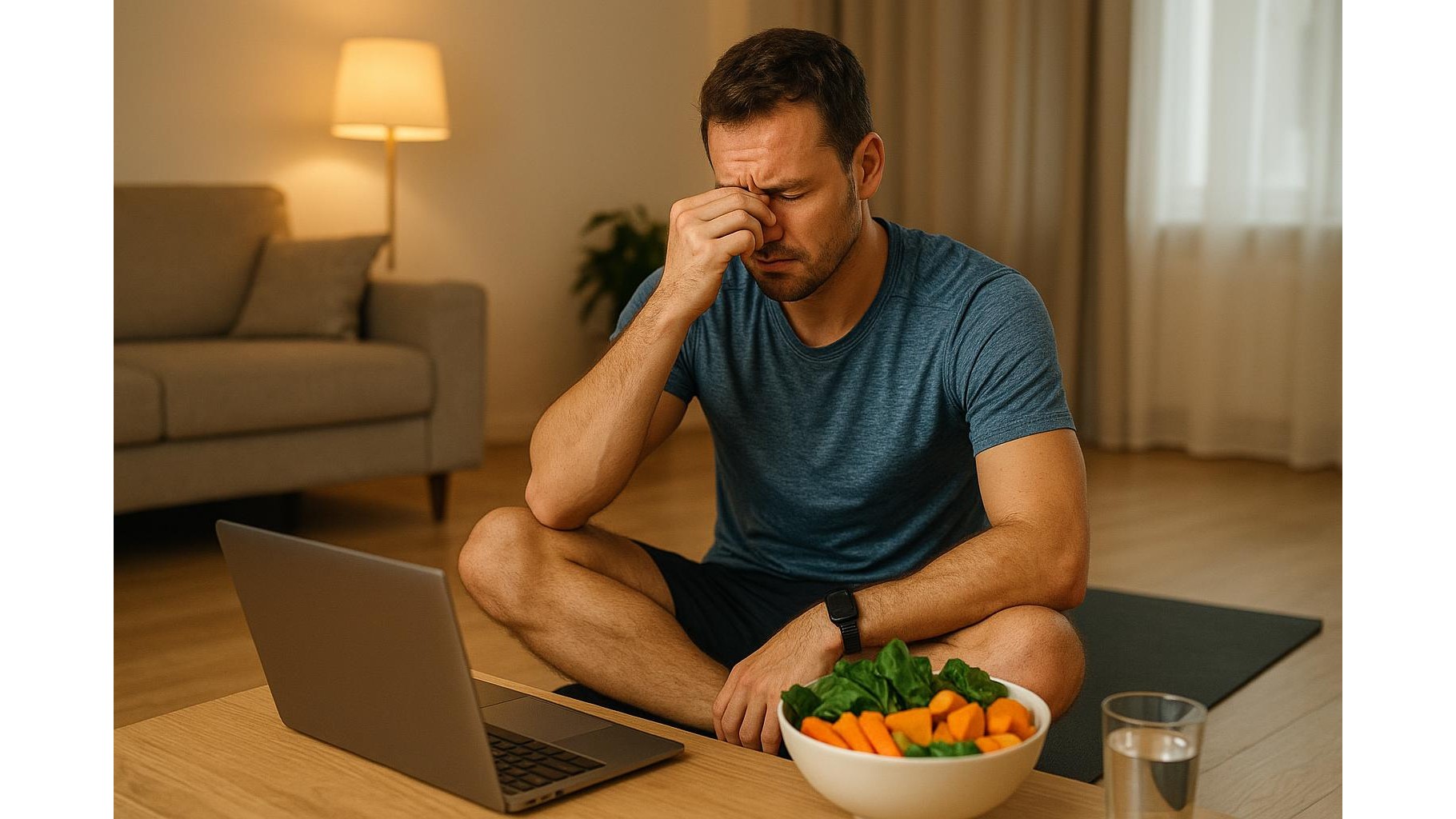
Hours of app‑guided workouts, remote meetings and evening streaming sessions mean our eyes rarely get a break from blue‑lit displays. For home athletes, this constant screen time can leave eyes feeling dry, tired and less sharp, especially in low light. Many people wonder if topping up vitamin A can protect vision and support immunity. Understanding what vitamin A actually does, where to get it from food, and when supplements are useful or risky is essential before adding another pill to your fitness routine.
How vitamin A supports vision and immunity
Vitamin A is crucial for forming rhodopsin, a pigment in the retina that helps your eyes adapt to dim light – the reason deficiency is linked to night blindness. It also maintains the health of the cornea and the thin tear film that keeps the eye surface smooth, which matters when you stare at a screen and blink less often. Beyond vision, vitamin A regulates immune function, helping the body defend against infections of the respiratory and gut tracts – useful if you are training hard at home and want to avoid downtime from illness. However, more is not always better; vitamin A is fat‑soluble, so excess builds up in the body and can become toxic.
Food sources of vitamin A for home athletes
Most home athletes can meet their needs through a balanced diet without supplements. Preformed vitamin A (retinol) is found in animal foods like liver, full‑fat dairy and eggs, while beta‑carotene and other carotenoids in plant foods can be converted to vitamin A. For screen‑tired eyes, regularly include colourful produce such as carrots, sweet potatoes, butternut squash, spinach, kale, red peppers and apricots. Pair these with a source of fat – for example, roasted sweet potato with olive oil or spinach omelette – because fat improves absorption. A varied diet rich in vegetables, some fruit, quality protein and healthy fats will usually cover vitamin A needs and support overall performance and recovery.
Can vitamin A fix screen‑tired eyes?
Screen‑related eye strain is usually caused by reduced blinking, glare, poor lighting, small fonts and long, uninterrupted focus, rather than vitamin A deficiency. Symptoms like burning, gritty eyes, headaches and temporary blurred vision are better addressed by behavioural strategies: follow the 20‑20‑20 rule (every 20 minutes, look 20 feet away for 20 seconds), increase font sizes on your apps, reduce screen brightness, and position screens slightly below eye level. Adequate vitamin A helps maintain a healthy eye surface, but if your diet is reasonable, taking extra will not magically erase digital eye strain. Hydration, regular breaks, using artificial tears if needed, and ensuring good ambient lighting will usually make a bigger difference than high‑dose supplements.
Safe intake ranges and supplement cautions
Guidelines generally suggest adults need around 700–900 mcg RAE (retinol activity equivalents) of vitamin A per day from food and supplements combined. Long‑term intakes above about 1500 mcg RAE (or 5000 IU of preformed vitamin A) can increase the risk of liver problems, bone loss and birth defects in pregnancy. Many multivitamins already contain vitamin A, sometimes labelled as retinyl palmitate or acetate, and may also include beta‑carotene. If you eat liver regularly or use a multivitamin, adding a dedicated vitamin A capsule can easily push you over safe limits. For most healthy home athletes with no diagnosed deficiency, a general multivitamin at or below 100% of the daily value – checked carefully on the label – is the upper sensible limit without personalised guidance.
When to talk to a professional
Persistent symptoms like night vision problems, very dry eyes, frequent infections, or issues such as liver disease, fat‑malabsorption or restrictive dieting warrant a discussion with a GP or registered dietitian before taking vitamin A supplements. Pregnant people, or those planning pregnancy, need to be especially cautious because excess preformed vitamin A can harm the developing baby. If blood tests show low vitamin A, a professional can prescribe the correct dose and duration and monitor safety. For everyday home athletes who simply notice screen tiredness, prioritise an eye‑friendly environment, regular breaks, a varied, colourful diet and adequate sleep. Supplements should support, not replace, these foundations of eye and immune health.
In summary, vitamin A is essential for vision in low light, maintaining a healthy eye surface and supporting immunity, all of which matter if you spend long hours training with apps and working at a screen. However, most people can reach adequate levels through diet, and digital eye strain usually stems from lifestyle factors rather than deficiency. Focus first on screen habits, lighting, hydration and nutrient‑rich foods, and seek professional advice before turning to high‑dose vitamin A supplements. This balanced approach helps protect both your eyes and overall health while you continue to train effectively at home.









