Training at home can be deceptively demanding on your energy systems. If you rely heavily on carbs to fuel HIIT, circuit work or long indoor cardio, thiamine (vitamin B1) quietly sits at the centre of how effectively you turn that food into usable energy. In this article we look at what B1 does, how it impacts fatigue, the best food sources for home athletes, how to spot possible low intake, and when a dedicated vitamin B1 supplement might actually make sense.
Table of contents
Why thiamine matters for energy and carb metabolism
Thiamine is a water‑soluble vitamin that acts as a cofactor for key enzymes in carbohydrate metabolism, especially pyruvate dehydrogenase and alpha‑ketoglutarate dehydrogenase. In simple terms, B1 helps convert the carbs you eat into ATP, the energy currency your muscles use during training. When thiamine status is low, pyruvate and lactate can build up, contributing to feelings of fatigue and heavy legs, particularly in higher‑intensity efforts. For home athletes who base most of their sessions on bodyweight drills, dumbbells, indoor cycling or rowing, ensuring adequate B1 is part of keeping your energy systems running smoothly rather than chasing more pre‑workouts or caffeine.
Key food sources of thiamine for home trainees
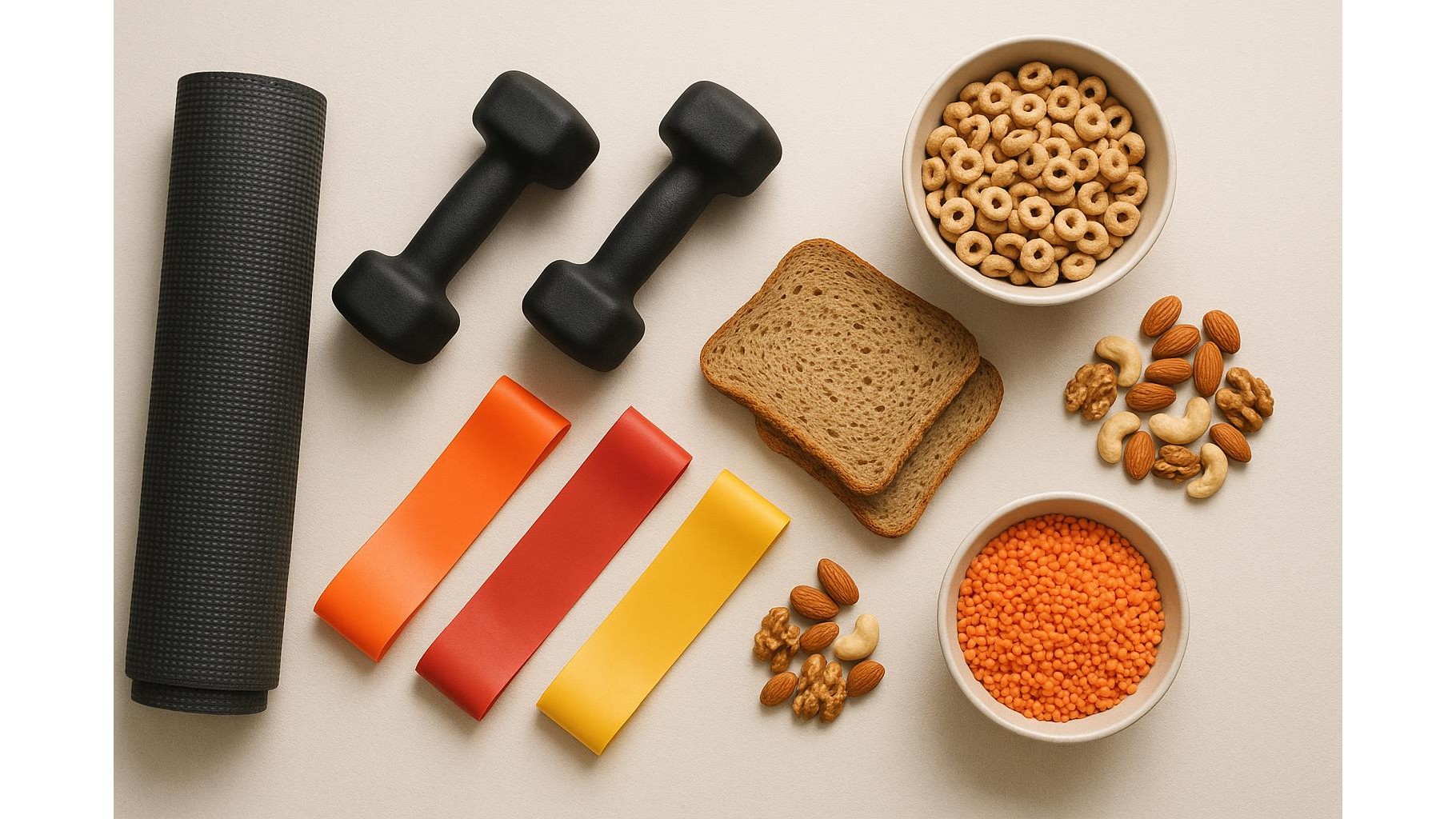
You do not automatically need a supplement: many everyday foods provide useful amounts of vitamin B1. Top sources include pork, organ meats, fortified breakfast cereals, whole grains (such as brown rice and wholemeal bread), beans, lentils, nuts and seeds. Because thiamine is water‑soluble and sensitive to heat, over‑boiling foods can reduce their content; quicker cooking methods and using the cooking liquid in soups or stews can help. For busy home athletes who batch‑cook, a simple weekly rotation of stir‑fried lean pork, lentil curries, wholegrain pasta and nut‑based snacks can easily cover recommended intakes. If your typical day is more like white toast, instant noodles and takeaways, then your background B1 intake may be much closer to the minimum than is ideal for frequent training.
Signs of low thiamine intake and who is at higher risk
Severe thiamine deficiency leads to conditions like beriberi, which are rare in developed countries, but mild inadequacy is more common and can still affect your performance. Non‑specific symptoms include low energy despite adequate sleep, reduced exercise tolerance, irritability, and difficulties with concentration during and after training. Certain groups are at higher risk: people with very high carbohydrate intakes but low overall diet quality, heavy alcohol use, restrictive dieting, long‑term use of some diuretics, or gastrointestinal issues that affect absorption. Home athletes who are cutting calories aggressively, relying on refined carbs, or training twice a day without planning their nutrition should pay particular attention to thiamine‑rich foods and, if needed, discuss blood work or supplementation with a healthcare professional.
When a standalone thiamine supplement may be useful
For most healthy home trainees eating a mixed diet, a standard multivitamin or balanced meals will cover vitamin B1 needs. A dedicated thiamine supplement becomes more relevant if diet quality is poor, if your doctor has flagged low B vitamins, or if you follow a very high‑carb endurance plan while also restricting calories. Typical supplement doses range from the basic recommended daily intake up to higher amounts in clinical settings, but more is not automatically better for performance. Because thiamine is water‑soluble, excess is usually excreted, yet it is still important to avoid megadoses without reason. Always prioritise fixing your overall diet, hydration, sleep and training structure before assuming that B1 pills will solve fatigue or plateauing workouts.
Practical strategies to optimise B1 on a home training schedule
To integrate thiamine into your routine, start with your weekly food shop. Build each day around at least one strong B1 source (for example, fortified oats at breakfast, a bean‑based lunch, or a pork and brown rice stir‑fry for dinner). Pair these with other micronutrient‑dense foods to cover the rest of the B‑vitamin family, which also supports energy metabolism. If you still consider supplementation, choose a simple, clearly labelled vitamin B1 or balanced B‑complex product from a reputable brand, and use it as a backup rather than a substitute for real food. Track how your energy, recovery and focus respond over several weeks; combine these observations with professional medical advice instead of relying solely on gym folklore or marketing claims.
In summary, thiamine (vitamin B1) plays a central role in turning the carbohydrates you eat into usable energy for home workouts, and low intake can subtly undermine your performance and recovery. Most athletes can cover their needs through thiamine‑rich foods and broad dietary improvements, reserving standalone B1 supplements for specific situations under professional guidance. By understanding thiamine’s function, prioritising high‑quality carbs and planning your meals as carefully as your programmes, you give your home training the metabolic support it needs to deliver consistent, sustainable progress.