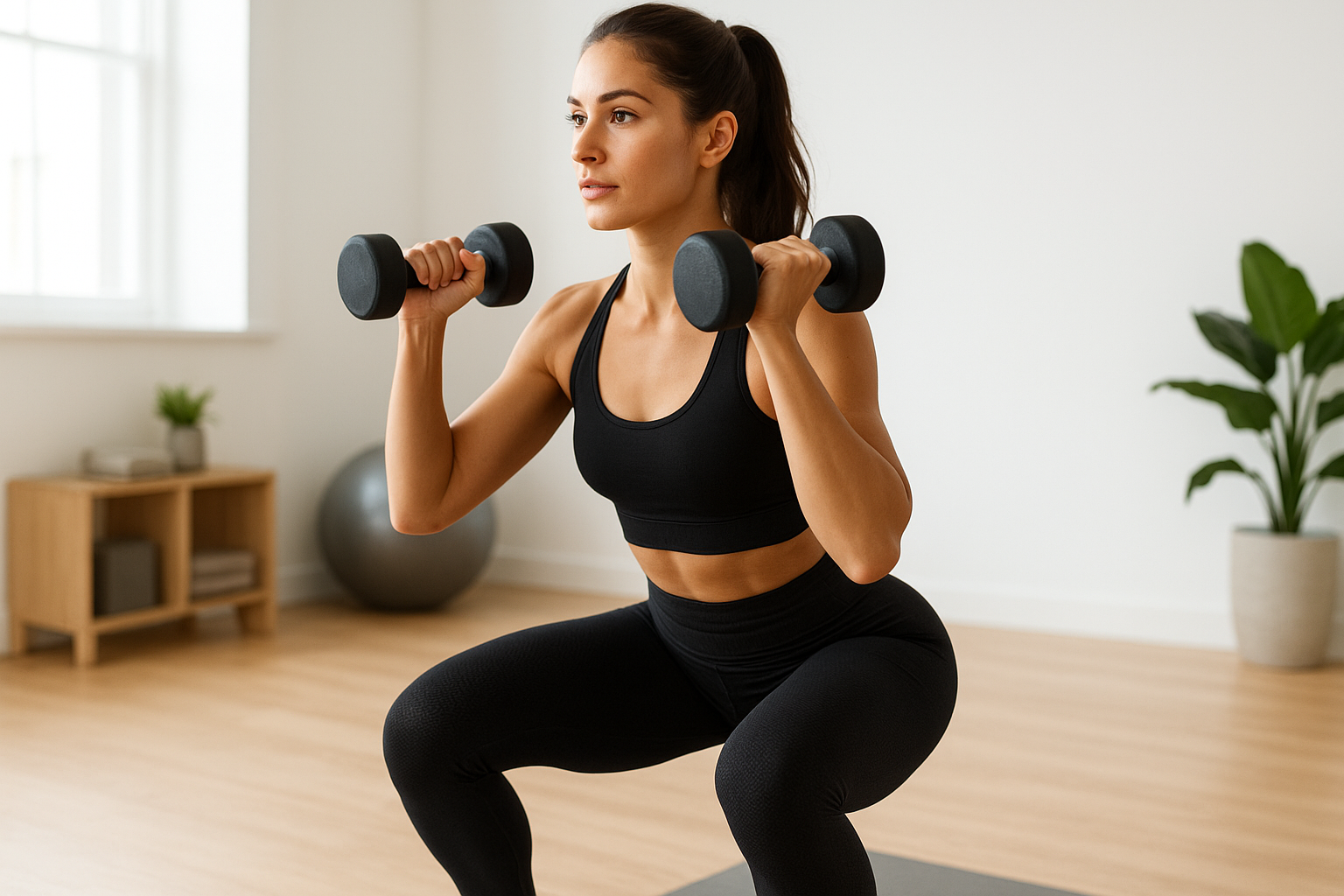
For home athletes, progress does not happen only under the barbell or on the yoga mat. It happens at night, when your body repairs muscle, restores glycogen and balances hormones. That is why many lifters and runners turn to sleep supplements like melatonin, magnesium and herbal blends, hoping to speed up recovery. But which options are really supported by evidence, and when are better routines more powerful than any pill?
Table of contents
Melatonin: when a hormone supplement makes sense
Melatonin is a hormone produced by your brain in response to darkness. As a supplement, it can help shift your sleep–wake cycle, which is useful if you train late at night, work shifts or struggle with jet lag. Evidence suggests low doses (often 0.5–1 mg) taken 30–60 minutes before bed can reduce sleep onset time. However, melatonin will not fix poor habits like late-night screens, caffeine or intense workouts right before bed. For home athletes, it works best as a short-term tool to nudge your body clock, combined with consistent bedtimes, dim lights in the evening and a cool, dark bedroom.
Magnesium for relaxation and muscle function
Magnesium is involved in nerve transmission, muscle contraction and relaxation, making it a popular choice among people who train at home and experience twitchy muscles or night-time restlessness. Research shows that magnesium can modestly improve sleep quality in people who are deficient or older adults, but the effect is smaller in healthy individuals with adequate intake. If your diet is low in nuts, seeds, whole grains and leafy greens, a magnesium supplement before bed may support relaxation and reduce cramps. Forms like magnesium glycinate or citrate are often better tolerated than oxide. Still, it is not a sedative; think of it as improving the conditions for good sleep rather than forcing you to sleep.
Herbal blends: calming, but not magic
Herbal sleep blends often combine ingredients such as valerian root, chamomile, passionflower, lemon balm and L-theanine. Studies on these herbs show mixed but generally mild benefits: some people fall asleep a bit faster or report deeper, more restful sleep. For home gym users who feel mentally “wired” after evening sessions, these blends may help you unwind, especially when combined with a relaxing pre-bed routine. However, quality and dosages vary widely between products, and the effects are usually subtle compared to changes in behaviour. Always check for potential interactions with medications and start with a low dose to gauge how your body reacts.
When routines beat supplements
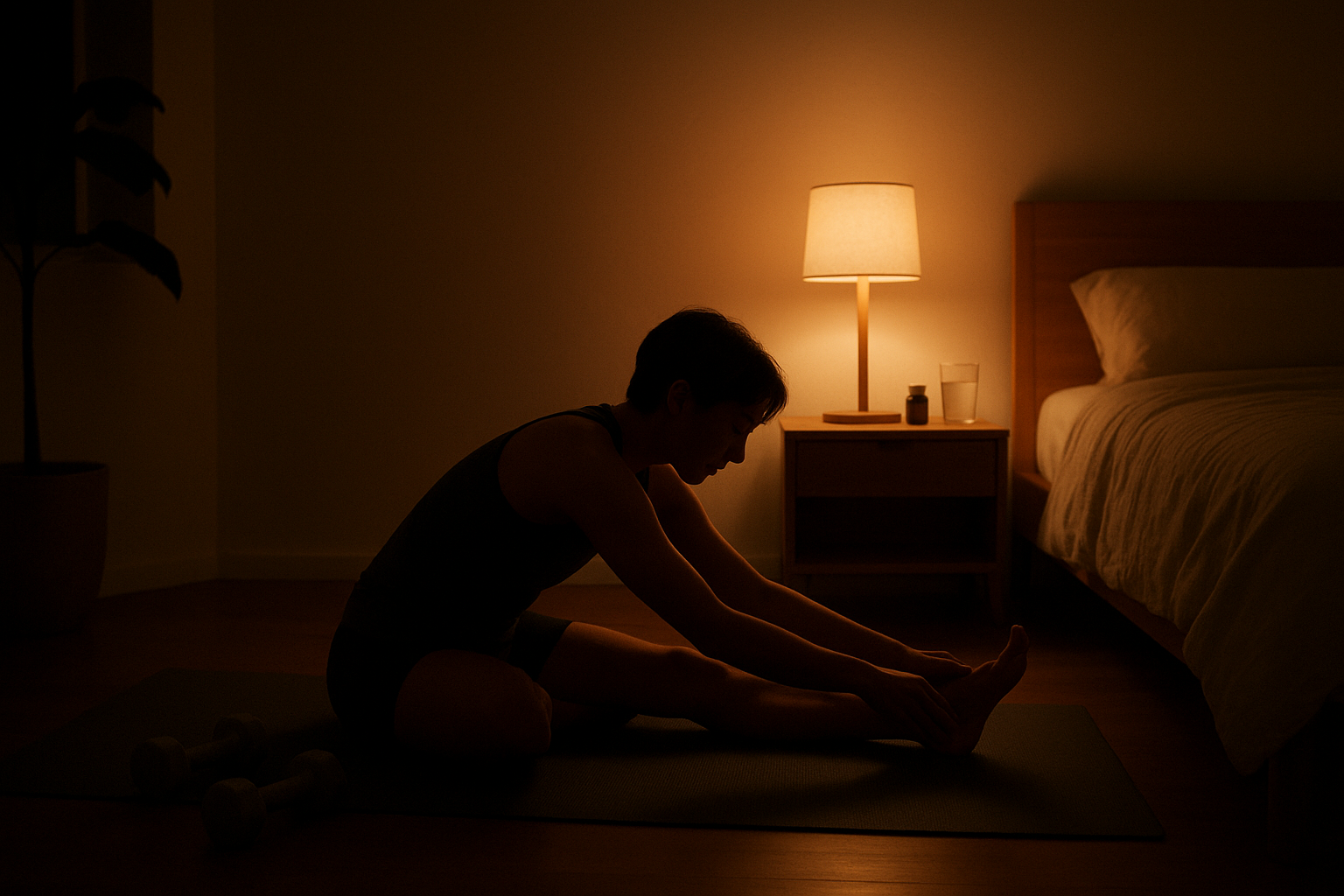
For most home athletes, better sleep hygiene will outperform any capsule. Simple changes such as keeping a regular bedtime, limiting caffeine after mid-afternoon, avoiding bright screens in the last hour before bed and finishing heavy workouts at least 2–3 hours before sleep can dramatically improve recovery. Creating a wind-down ritual – stretching, light mobility work, breathwork or reading – signals your body that training is over and recovery is starting. A cool, dark, quiet room, along with consistent wake times, is one of the most powerful “supplements” you can apply, and it is completely free.
How to choose and use sleep supplements safely
If you decide to test sleep supplements for recovery, start with one product at a time so you can clearly judge its effect. Use the lowest effective dose, take it at the same time each night, and track your sleep with a simple log: how long you took to fall asleep, how often you woke up and how you felt during training the next day. Avoid combining multiple sedative products or using alcohol with sleep aids. Importantly, do not rely on supplements to mask chronic sleep problems, overtraining or high stress; in those cases, adjusting your training load, work schedule or seeking professional help is more important than any pill.
For home athletes, high-quality sleep is a critical training tool. Melatonin, magnesium and herbal blends can offer small but meaningful support, especially if you have specific issues such as jet lag, low magnesium intake or pre-bed anxiety. Yet their benefits are always limited if your lifestyle works against sleep. Build a solid foundation with regular routines, smart training times and a sleep-friendly environment, and then consider targeted supplementation as the final 10% that refines your recovery, rather than the main solution.