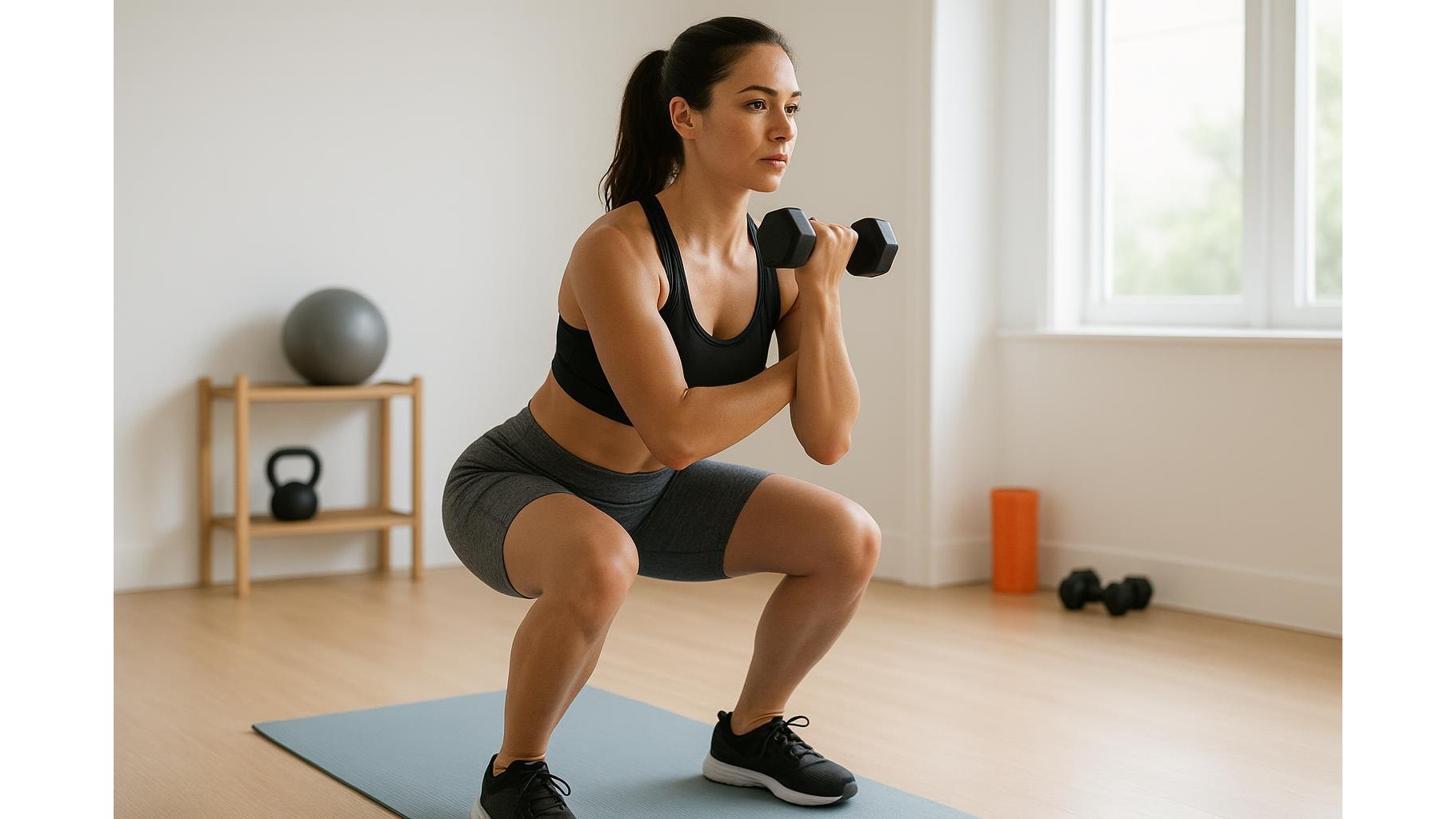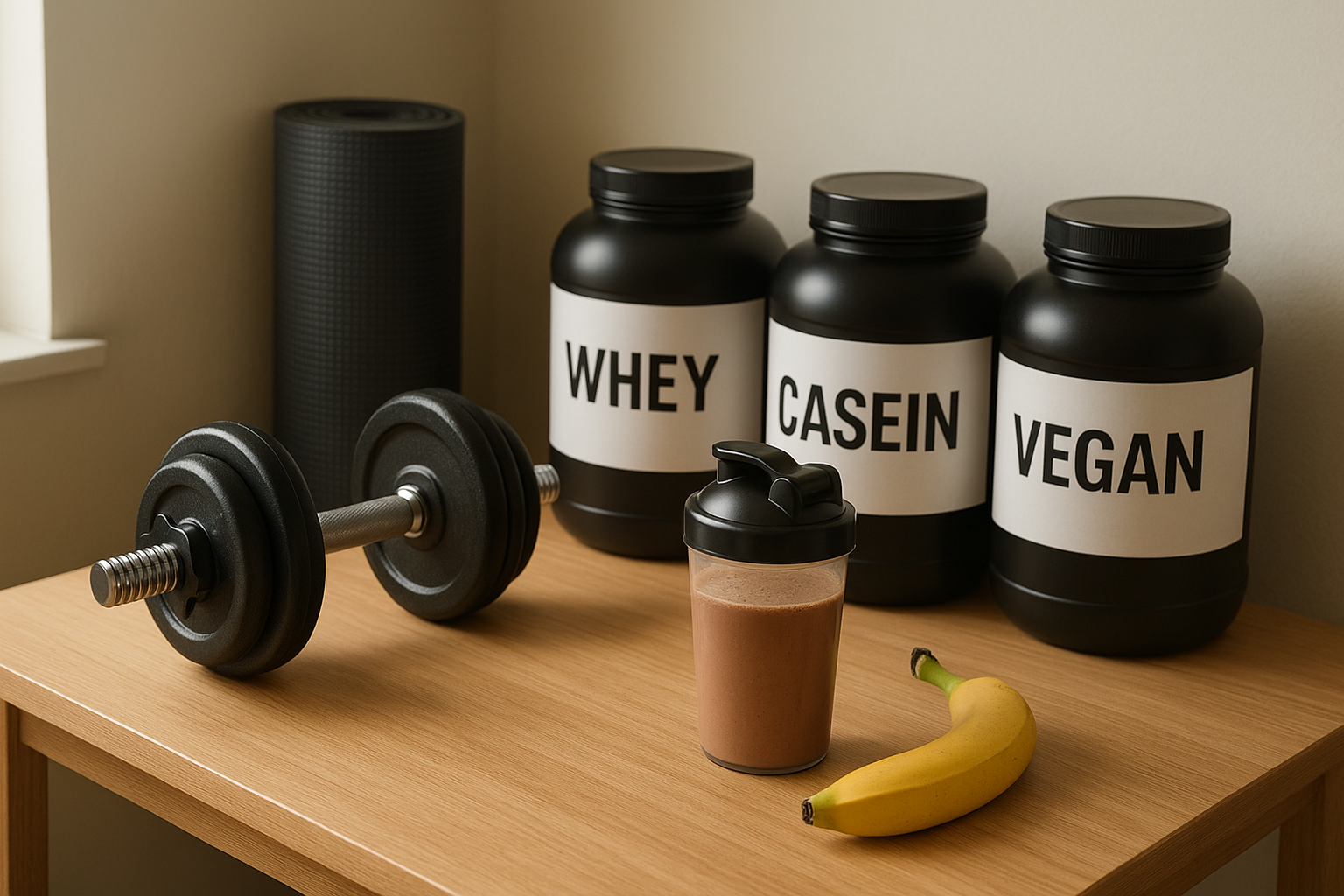
Training mainly at home makes it even more important to nail your protein intake. Without a smart choice of protein powder, your muscles may not fully recover from resistance bands, dumbbell or bodyweight sessions. Between whey, casein and plant-based proteins, digestion speed, taste and ingredient quality all influence how effectively you support strength and recovery in a home gym routine.
Table of contents
Whey protein: fast recovery for post‑workout
For most home lifters, a quality whey protein remains the go‑to for post‑workout recovery thanks to its rapid digestion and high leucine content. A solid example is Myprotein Impact Whey Protein Powder | Chocolate Smooth – 1 kg, which delivers around 23 g of protein per serving with added BCAAs. It is low in fat and carbs, mixes easily in a shaker and is available in several flavours, making it practical for quick shakes between meetings or right after a short garage workout. Many users highlight the good taste and value, especially when bought on promotion, though some find it a little sweet due to added sweeteners. Overall, it is a strong fit if you want a straightforward, fast‑absorbing protein to support muscle growth and daily intake.
Casein: slow and steady protein for nights and long gaps
If whey is your sprint, casein is your marathon. Micellar casein digests slowly, releasing amino acids over several hours, which is ideal when you have long gaps between meals or need a bedtime protein to protect muscle overnight. Myprotein Micellar Casein Milk Protein Supplement, 2.5 kg, Chocolate offers about 23 g of slow‑release protein per serving and includes a complete amino acid profile. Its thicker texture makes it filling and well suited to late‑night shakes or protein puddings when you finish training in the evening. Reviews mention it as a good night and morning option with less bloating than some blends, although a few users find the texture sludgy or the flavour a bit artificial. For home trainees who struggle to hit total protein, adding a casein shake before bed can significantly improve recovery and reduce overnight muscle breakdown.
Plant-based protein: vegan-friendly and vitamin enriched
For vegans or those with dairy intolerance, modern plant-based protein powders can now match whey on protein content when formulas blend multiple sources. Protein Works | Vegan Protein 360 – Platinum Innovation, Banana Smooth, 1 kg combines soy, pea, pumpkin seed and brown rice protein for a full amino acid profile, with around 29 g of protein per serving. It stands out for its added vitamins and minerals, probiotics, digestive enzymes and Omega‑3, aiming to support overall health as well as muscle repair. The low sugar formula appeals to those tracking calories in a home cut. Taste feedback is mixed: many like the banana flavour and smooth mixability, while others find the texture chalky or the banana note too light. If you are plant‑based and want a nutritionally dense shake that can double as a light meal, this type of blend is a strong choice.
Timing, digestion and taste: matching protein to your home routine
When you train at home, your schedule often dictates the smartest protein choice. Use whey such as Myprotein Impact Whey right after sessions for fast digestion and a quick hit of amino acids. Reserve casein like Myprotein Micellar Casein for late‑night shakes or when you know you will not eat for several hours, taking advantage of its slow release. Plant-based powders such as Vegan Protein 360 work well at almost any time of day, especially if you want a shake that is gentler on digestion or fits a vegan diet. Taste and texture also matter at home, where you are less likely to tolerate an unpleasant shake day after day. Whey typically offers the creamiest, dessert‑like flavours, casein is thicker and more pudding‑like, and many vegan proteins have a slightly grainier texture but are improving rapidly, especially when blended with plant milks in a blender.
Ingredient quality, sweeteners and practical home use
Beyond protein type, look closely at ingredient lists and practical use in a home setting. Aim for products where the main ingredient is a clear protein source (whey concentrate, micellar casein, pea protein, etc.) rather than long blends of fillers. Check allergens: whey and casein both contain milk, while some plant blends include soy or gluten. Sweeteners such as sucralose keep calories low but may affect taste for sensitive users; reviews for all three example products mention sweetness levels and aftertaste, which can guide your choice. For convenience, powders that mix quickly in a simple shaker and come in resealable pouches suit small home gyms with limited storage. If you often use protein in recipes—such as oats, pancakes or baked snacks—slightly thicker casein or vegan blends can work better, while classic whey is ideal for fast, smooth shakes after you rack the last dumbbell.
Choosing between whey, casein and plant-based protein comes down to your diet, digestion and training schedule rather than a single “best” option. Fast‑absorbing whey like Myprotein Impact Whey excels after home workouts, slow‑release casein such as Myprotein Micellar Casein supports overnight recovery, and nutrient‑rich vegan blends like Protein Works Vegan Protein 360 offer a dairy‑free solution with extra health benefits. By matching protein timing, ingredient quality and taste to your lifestyle, you can build a simple, effective shake strategy that keeps your home training progressing session after session.