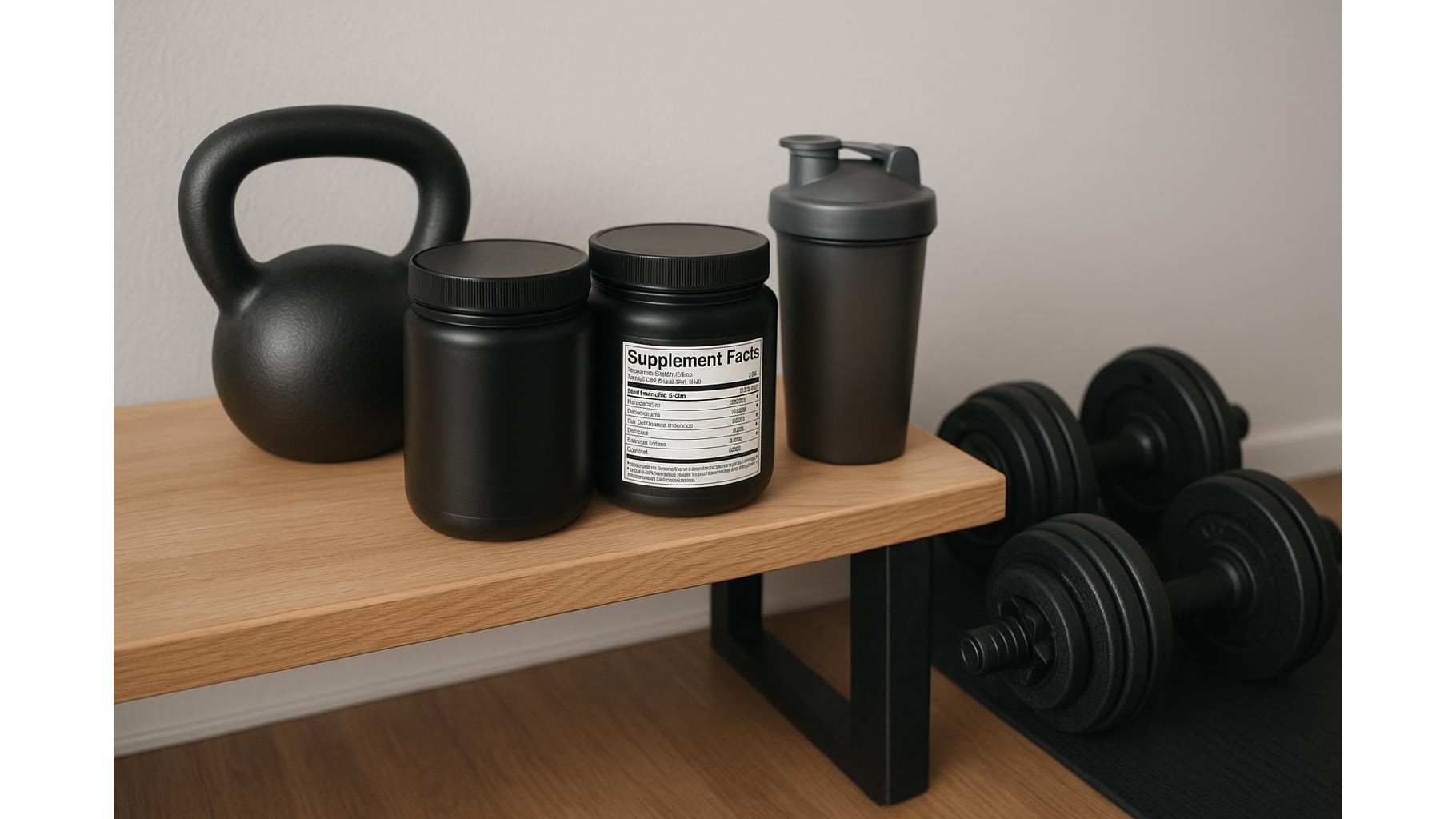
Training in a home gym makes every scoop of your pre‑workout supplement count. Without the buzz of a commercial gym, it is tempting to chase stronger formulas, more caffeine and flashy claims. Learning how to read a pre‑workout label helps you support performance, avoid pointless ingredients and stop wasting money on tubs that are mostly stimulants and marketing.
What a useful pre‑workout label should actually show
A good pre‑workout for home athletes is built around a few evidence‑based ingredients at sensible doses. Look for transparent amounts of caffeine (usually 150–250 mg per serving for most people), citrulline malate (6–8 g for better blood flow and pumps), beta‑alanine (3.2–6.4 g for endurance, often split across the day) and, sometimes, creatine monohydrate (3–5 g). On the label these should appear as single ingredients with a clear number next to each one, not buried in a proprietary blend. Flavourings, sweeteners and colourings should be listed at the end of the ingredient list, where they belong. If a product keeps things simple, uses a short list of well‑known compounds and tells you exactly how much of everything you are getting, that is usually a good sign for a home pre‑workout routine.
Proprietary blends and underdosed formulas: classic red flags
One of the biggest red flags on a pre‑workout label is the phrase “proprietary blend”. This lets brands group multiple ingredients under a single total weight, without revealing individual doses. For example, you might see a “performance matrix – 3 g” that includes beta‑alanine, citrulline, taurine and several plant extracts; on paper it looks impressive, but in reality each ingredient may be far below the amount used in research. Another warning sign is a long list of exotic‑sounding compounds squeezed into a tiny serving size, such as a 5 g scoop that supposedly handles energy, pump, focus and recovery all at once. If the maths does not add up, it is likely an underdosed blend. Home athletes are better off with modest but honest dosages than with a kitchen‑sink formula that hides behind branding.
How much stimulant do you really need at home?
Because there is no commute or gym atmosphere, home lifters often lean on heavy stimulant pre‑workouts to get in the zone. Many powders now cram 300–400 mg of caffeine per serving, sometimes stacked with other stimulants like theobromine or yohimbine. On the label, that may be split across anhydrous caffeine, natural caffeine sources (such as coffee bean or guarana) and “energy blends”. For most people training in the evening or in a small home space, these doses are unnecessary and can disrupt sleep, raise anxiety and make consistent training harder. When reading labels, total your caffeine per scoop and compare it with your daily intake from coffee or tea. Many home athletes do best with a smaller serving or even half a scoop, aiming for enough alertness to focus on technique and volume, not a jittery rush followed by a crash.
Claims, buzzwords and what to safely ignore
Pre‑workout marketing is loaded with bold claims: “skin‑splitting pumps”, “fat‑incinerating thermogenesis”, “limitless focus”. On the label these promises often hinge on minor ingredients added at token doses, such as trendy nootropics at a few milligrams or obscure plant extracts that sound scientific but have little evidence for gym performance. As a home athlete, you can ignore phrases like “explosive strength complex” and focus instead on the core of the formula: caffeine, citrulline, beta‑alanine and, optionally, creatine. Terms like “clinical dose” mean nothing unless the actual gram amount is listed and matches published research. Also be wary of “zero crash” or “no tolerance build‑up” wording; these are marketing lines, not guarantees. If a product relies more on buzzwords than transparent numbers, the label is telling you everything you need to know.
Building a smarter home pre‑workout strategy
Reading supplement labels is only part of the picture. A smart home pre‑workout strategy also considers your schedule, sleep and diet. When choosing a powder, think about when you train: early‑morning lifters may benefit from a moderate stimulant dose, while late‑evening athletes might prefer a low‑caffeine or stimulant‑free formula emphasising pump and endurance ingredients. Look for products that allow flexible serving sizes, for example half a scoop for lighter sessions and a full scoop for heavy lifting days, with dosing clearly shown on the label for each option. Combine this with basics such as being hydrated, having a small pre‑training snack and warming up properly in your home gym. A well‑chosen pre‑workout can then act as a useful tool, not a crutch.
Key takeaways for home athletes reading pre‑workout labels
When you train at home, your pre‑workout should serve your session, not the other way around. Look for transparent labels with clearly dosed, research‑backed ingredients, and avoid products that hide behind proprietary blends and big promises. Treat caffeine as a tool by tracking your total intake and resisting the urge to chase ever‑stronger formulas that can ruin sleep and consistency. Ignore marketing buzzwords and focus instead on what the numbers on the label actually tell you. By approaching pre‑workout supplements with a critical eye, home athletes can support performance, protect their health and get more real‑world value from every tub they add to the home gym shelf.