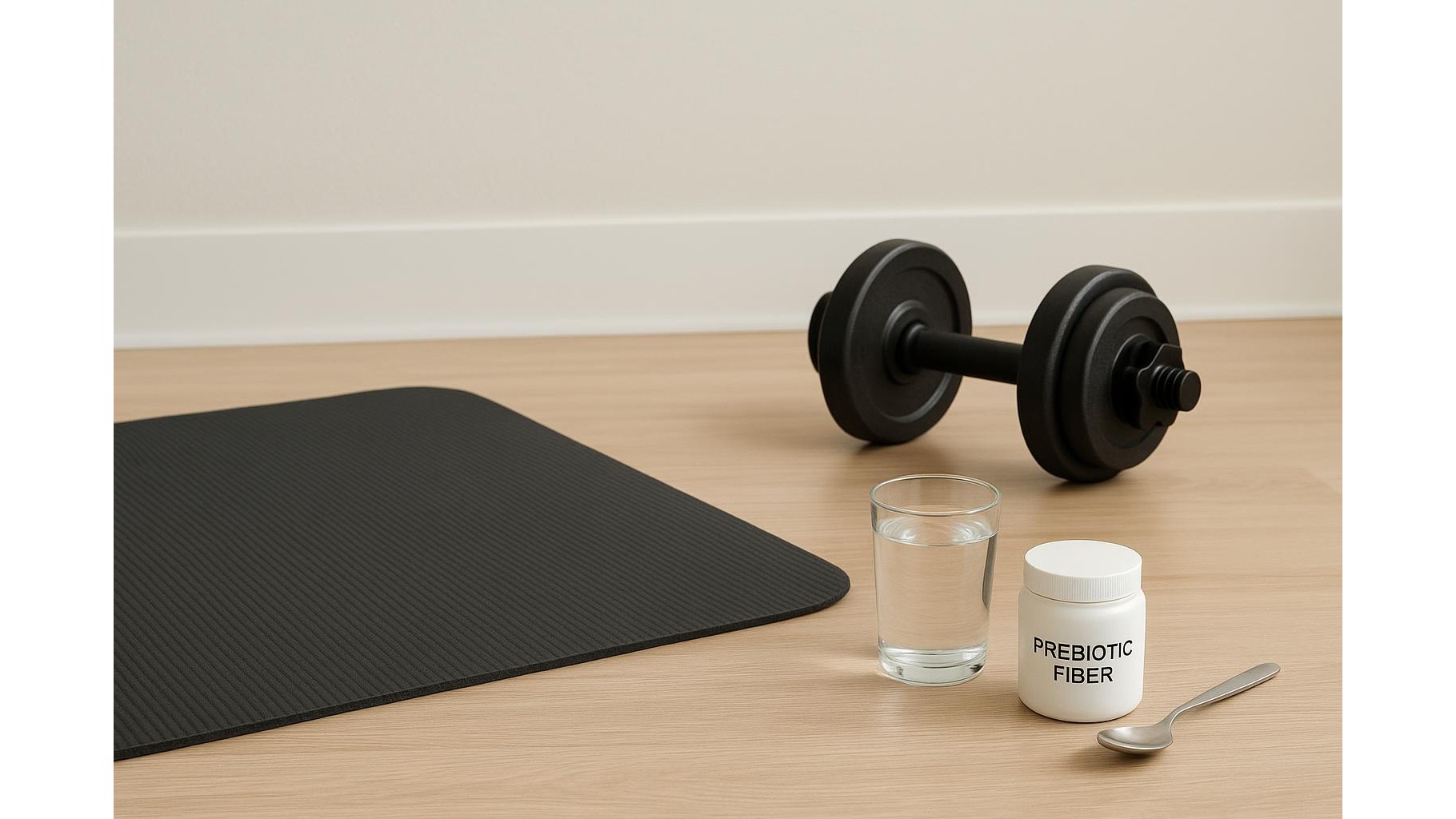
Training at home can be demanding on both your muscles and your gut. Many home athletes now add prebiotic fiber supplements to their routine to support digestion, energy levels and overall recovery. Unlike probiotics, which are live bacteria, prebiotics are specific types of fiber that feed the beneficial microbes already living in your intestine. Understanding how they work, how to introduce them, and how they interact with your workouts can help you get the benefits without uncomfortable side effects.
What are prebiotic fibers and why they matter for home athletes
Prebiotic fibers such as inulin, fructooligosaccharides (FOS) and partially hydrolysed guar gum are types of carbohydrates that your body does not digest, but your gut bacteria do. When these microbes ferment the fibers, they produce short-chain fatty acids that help maintain the gut barrier, regulate inflammation and may support energy metabolism. For home athletes who often train in fasted states, stack multiple short sessions, or rely on quick shakes instead of full meals, a healthier gut can mean better nutrient absorption, fewer digestive issues and more consistent energy. However, prebiotics are not magic fat burners or performance boosters on their own: they are one tool that supports a well-structured home training and nutrition plan.
Benefits of prebiotic fiber for digestion, immunity and energy
The main evidence-based benefit of prebiotic fiber is improved digestive health. Regular intake can support more regular bowel movements, softer stool and less straining, which is particularly useful if high-protein home gym diets have made you constipated. Prebiotics also encourage a more diverse gut microbiota, and studies suggest this may support immune function – a plus if you are training frequently and want to avoid colds that disrupt your programme. There is growing evidence that fermentation products from prebiotics help with blood sugar regulation and appetite control, which can indirectly support body composition goals. Some athletes report more stable energy and less bloating compared to suddenly loading up on random fibre from processed foods, because targeted prebiotic blends can be dosed more precisely and combined with adequate hydration.
Common side effects and how to avoid them
The same fermentation that makes prebiotics useful can also cause problems if you start with high doses. Typical side effects include bloating, gas, abdominal discomfort and sometimes loose stools, especially in people with irritable bowel syndrome or a sensitive gut. These reactions are not necessarily dangerous, but they can ruin a training session if you take too much right before a heavy squat day. To reduce risks, avoid jumping to full servings on day one. Begin with a small amount, taken with a meal, and increase only when your digestion feels comfortable for several days in a row. If symptoms remain intense, try splitting your daily dose into two smaller servings and ensure you are drinking enough water, since fiber needs fluid to move smoothly through your digestive system.
How to introduce prebiotic fiber around your workouts
Timing and dose are crucial when you combine prebiotic fiber supplements with home workouts. In the first two weeks, it is safer to take prebiotics away from your most intense sessions. Many athletes tolerate them best with a main meal, for example lunch or dinner, rather than before early-morning interval training. After your gut has adapted, you can experiment with different timings and small amounts before less demanding sessions, such as mobility work or easy cardio. Always keep heavy doses at least 2–3 hours away from high-intensity intervals or heavy lifting to reduce the chance of urgent bathroom trips or uncomfortable bloating. Remember that the benefits of prebiotics come from consistent use over weeks and months, not from a big dose right before a workout, so focus on regularity more than pre-workout loading.
Practical tips for choosing and using prebiotic supplements at home
When shopping for prebiotic supplements, look for products that clearly list their fibre sources (for example, inulin, FOS or partially hydrolysed guar gum) and the amount of prebiotic fibre per serving. Unflavoured powders are easier to mix into yogurts, smoothies or oats without adding sugar, which is ideal if you are also managing bodyweight. Start with a low dose – often 2–3 grams per day – and evaluate your digestion for at least one week before increasing. Combine your prebiotic with a diet rich in whole plants such as oats, beans, fruit and vegetables, since supplements work best on top of a balanced base. Track how you feel in a simple training and digestion log, noting any pattern between dose, timing and workout performance. If you have existing digestive conditions, discuss your plan with a healthcare professional before adding concentrated prebiotic fiber.
Prebiotic fibers as a long-term ally in your home training journey
For home athletes, prebiotic fiber supplements are not a quick performance hack but a long-term investment in gut health, consistent energy and recovery. By feeding beneficial bacteria, they can support digestion, immunity and metabolic flexibility, helping you get more from the food you already eat. The key is to respect your individual tolerance, increase doses gradually and time your servings around, not directly before, the most intense sessions. Combined with a varied, plant-rich diet and a structured home gym programme, prebiotic fibres become a subtle but powerful ally that supports your training week after week.