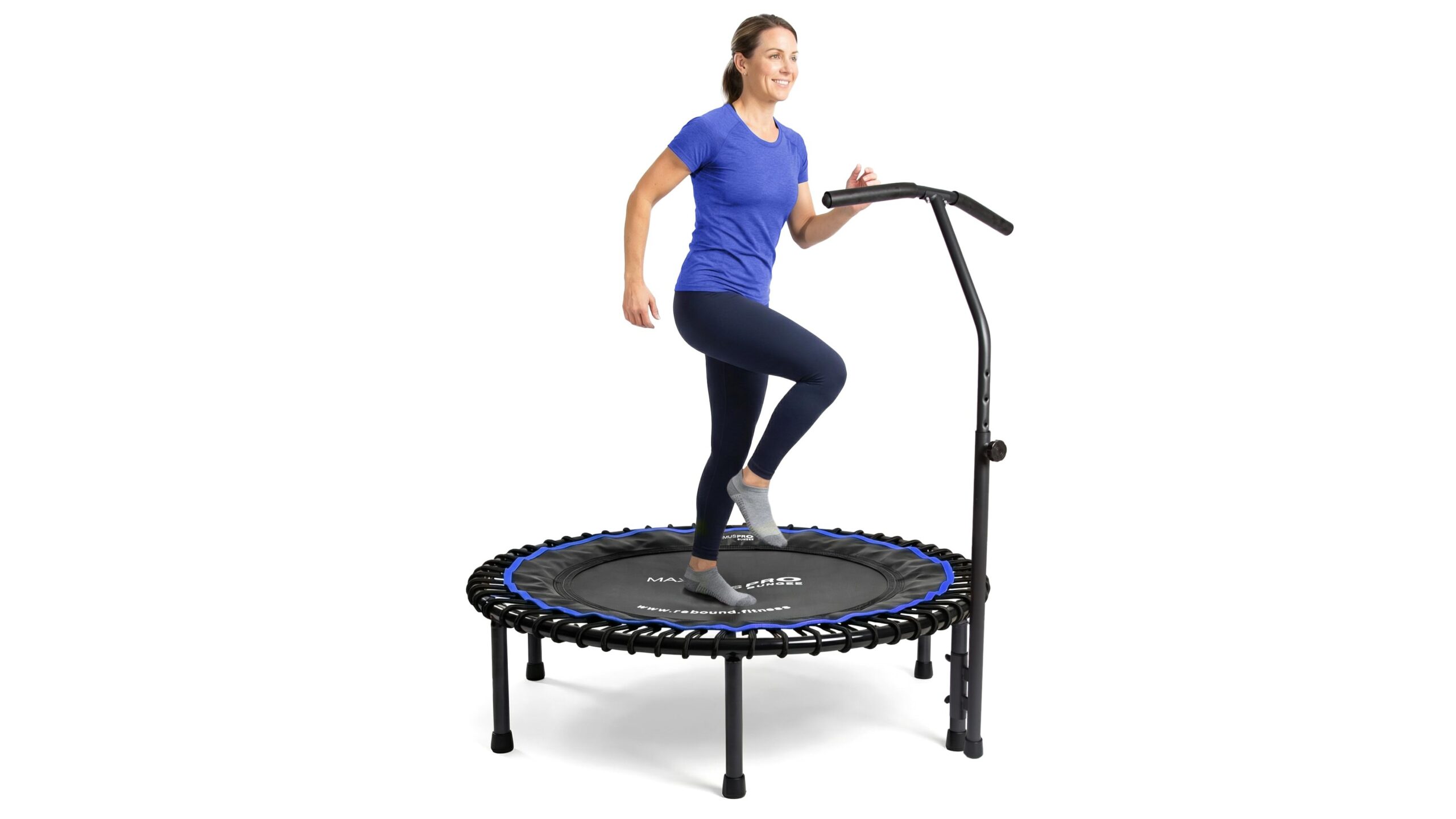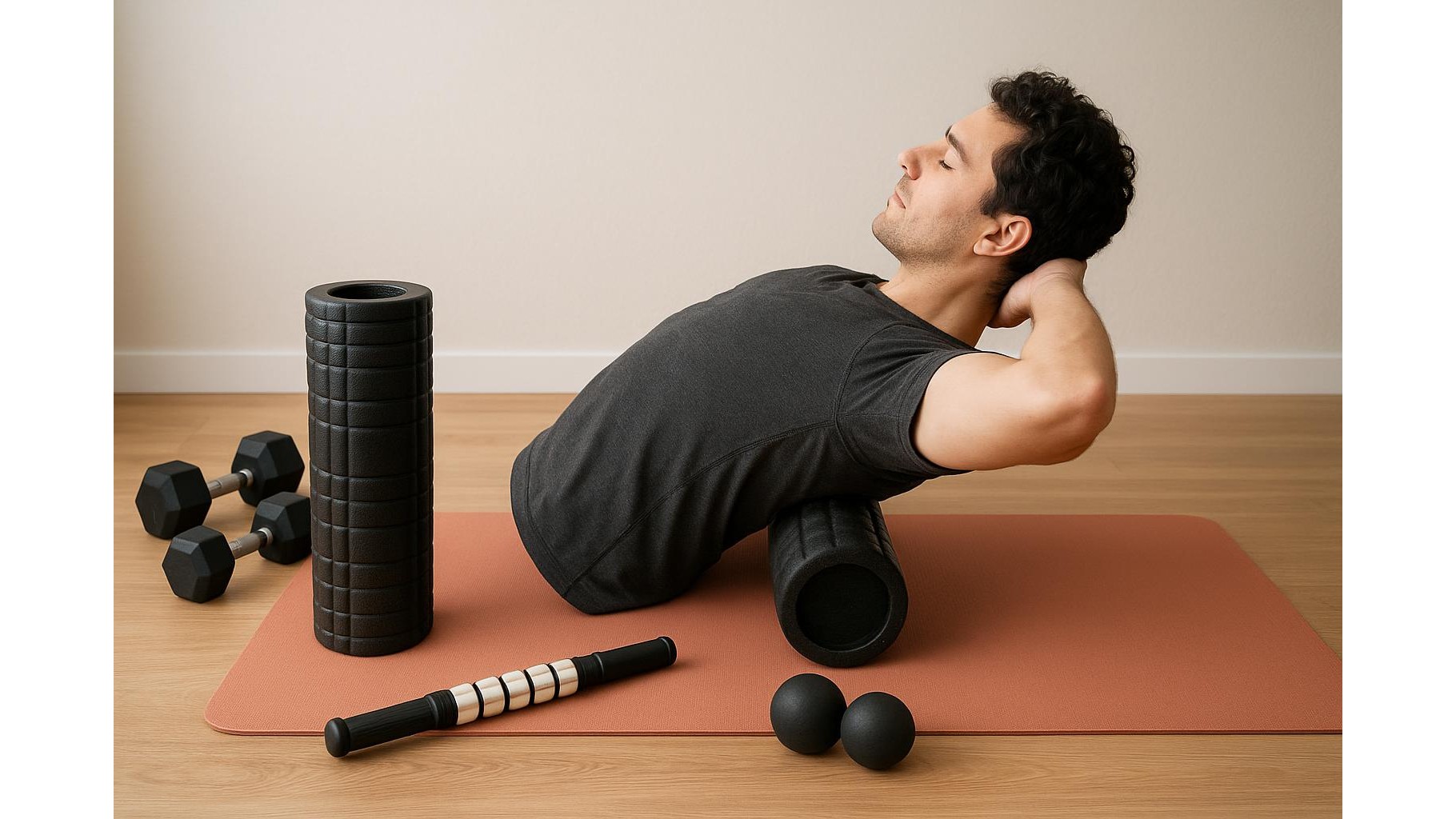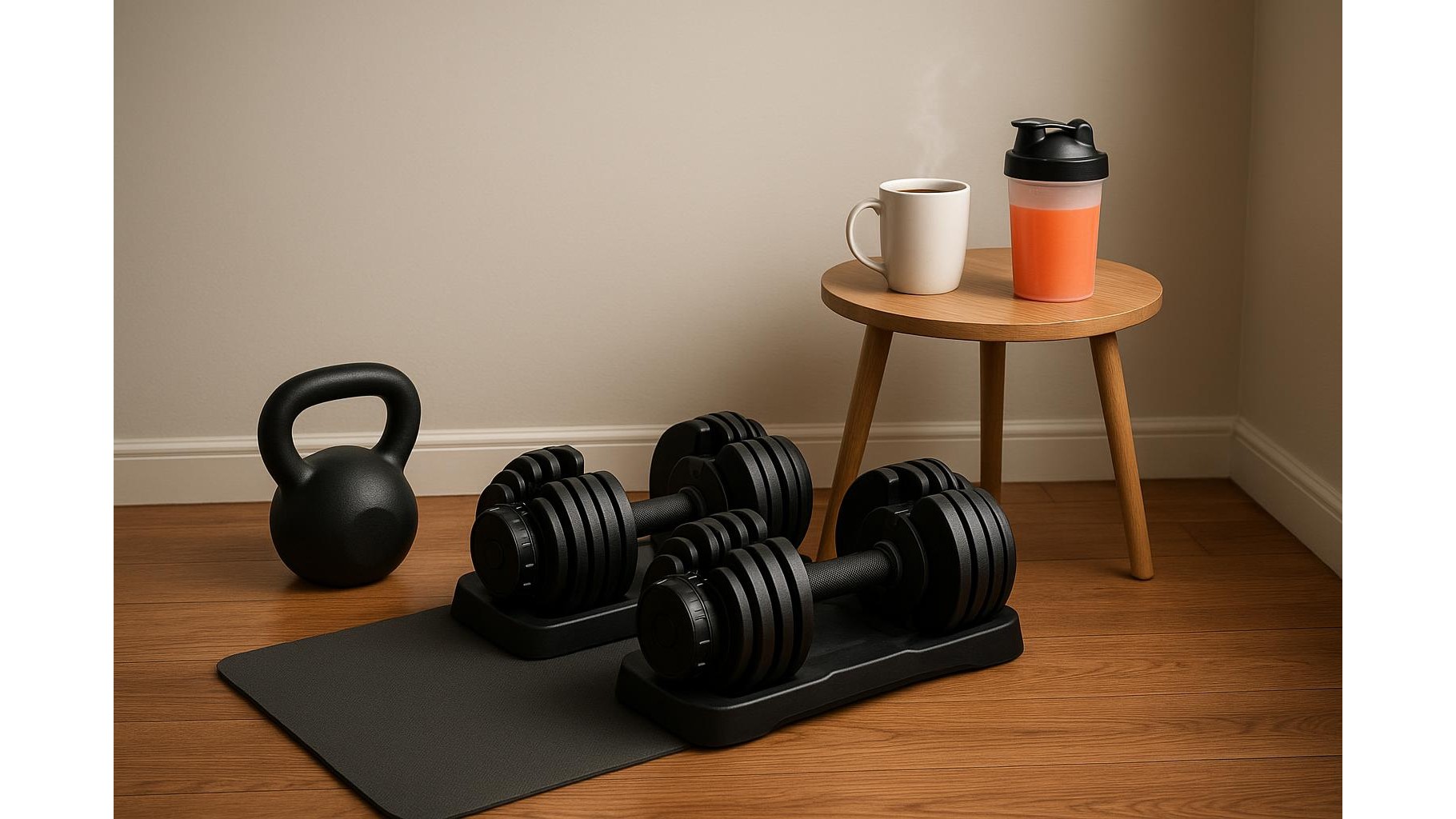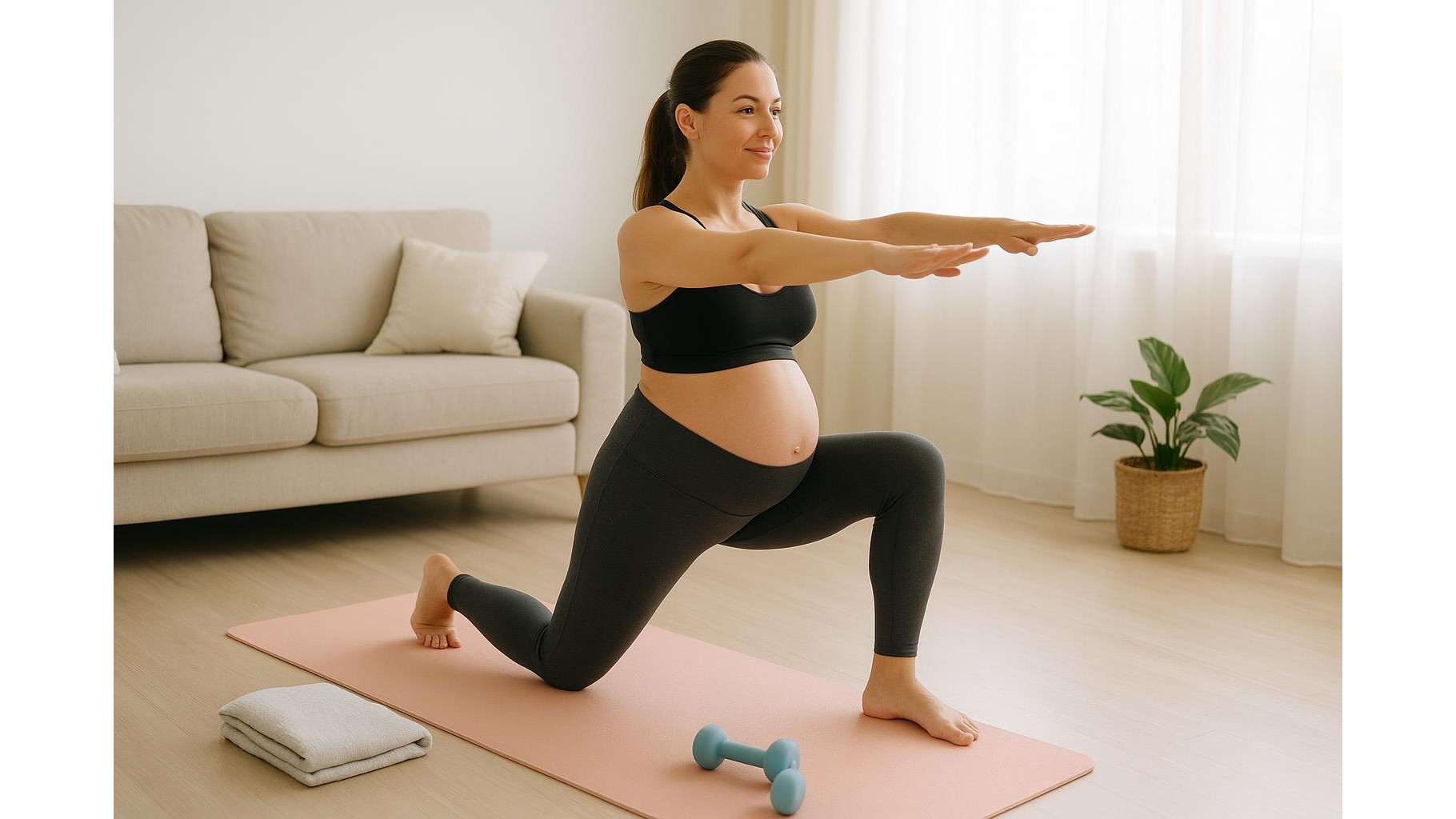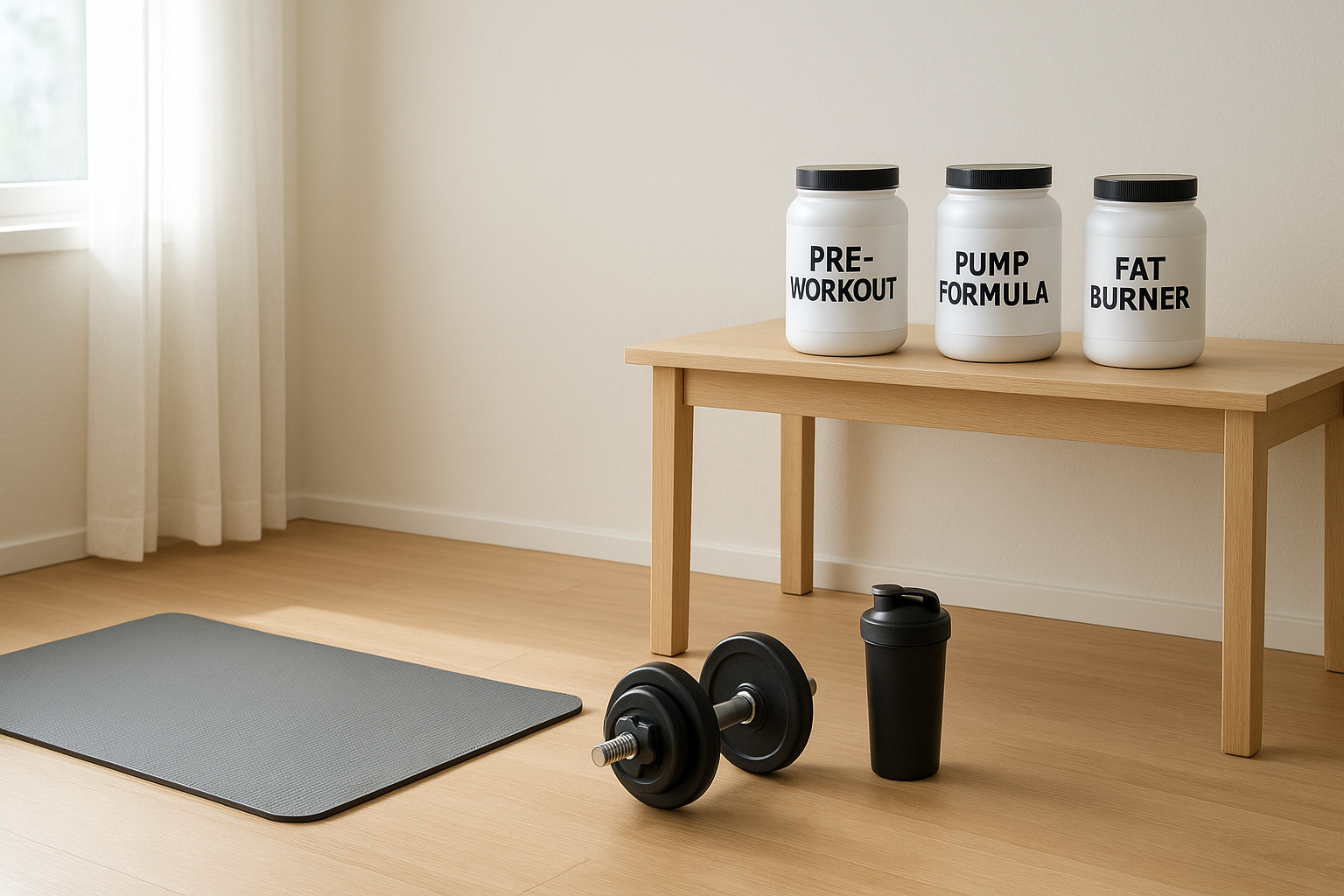
Building a consistent home workout routine often starts with coffee, a mat and some dumbbells. Very quickly, though, you’ll run into ads for pre-workouts, pump formulas and fat burners, all promising more energy, focus and faster fat loss. For people training at home, it becomes hard to understand what actually helps performance and what is just expensive hype. This guide breaks down the main supplement categories used before training, when they make sense, basic safety tips and how to avoid overcomplicated stacks that don’t match your real goals.
Table of contents
What a pre-workout actually does for home training
A classic pre-workout supplement is usually a flavoured powder you mix with water 20–30 minutes before exercise. Its core job is to increase energy, focus and perceived drive so you push harder in your sessions, whether you are doing resistance bands, dumbbell circuits or bodyweight HIIT in your living room. Most formulas rely on caffeine, sometimes alongside ingredients like beta-alanine for high‑rep performance and amino acids for mental focus. For people training after work or early in the morning, a moderate dose can help overcome sluggishness and support better adherence to a home programme. However, they are not magic: if your sleep, nutrition and training plan are poor, a pre-workout will only mask fatigue rather than fix it.
Understanding pump formulas and when they make sense
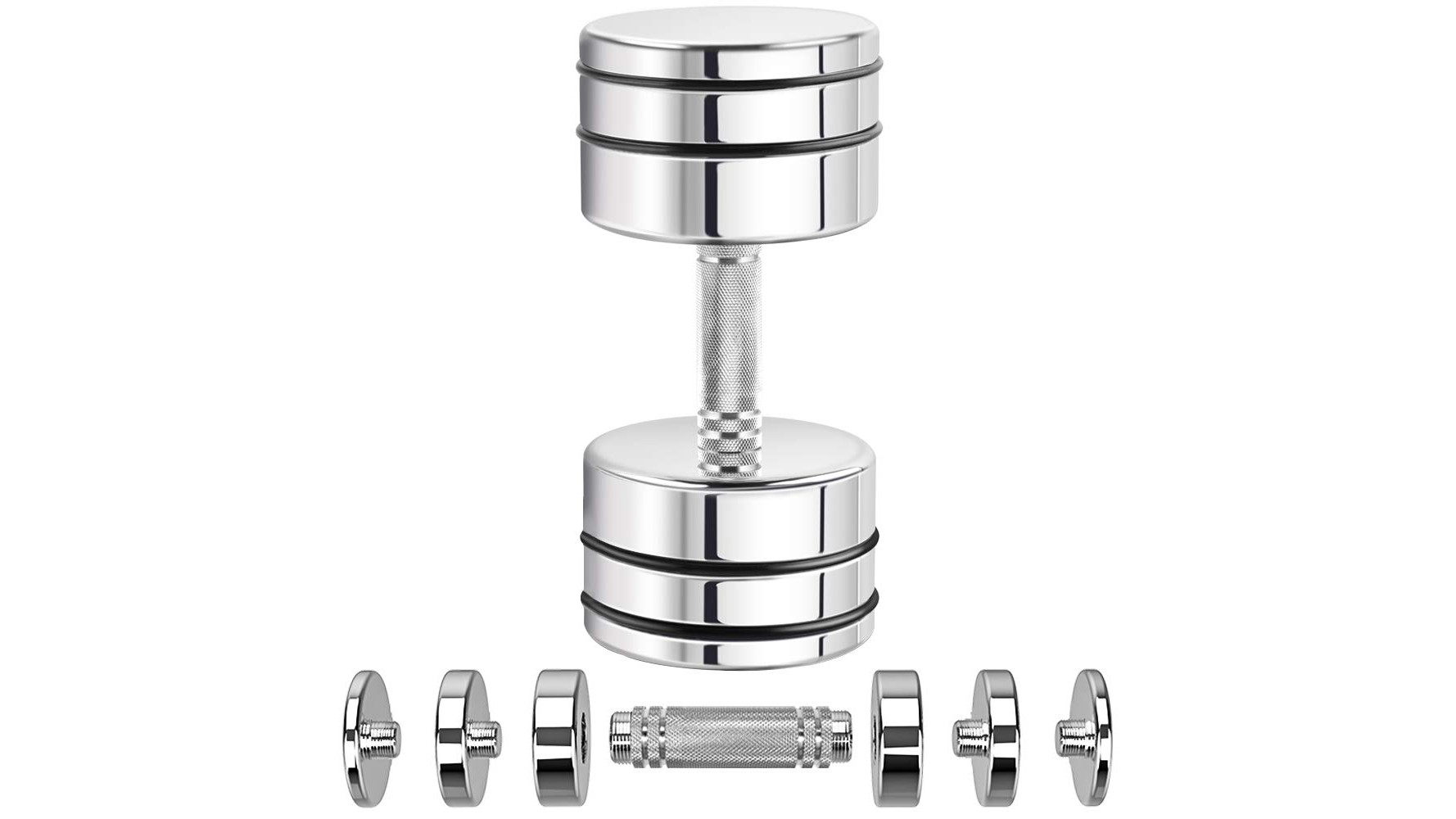
Pump formulas are marketed for that tight, full-muscle feeling during strength workouts. Unlike standard pre-workouts, they are often stimulant‑free or very low in caffeine. Their key ingredients typically target blood flow and muscle hydration, helping deliver nutrients to the muscles and making lifts feel smoother. For a home lifter with adjustable dumbbells or a compact rack, a pump product can be useful on days focused on hypertrophy, where you do multiple sets with moderate loads and short rest periods. Because they usually do not rely on high stimulants, they are suitable for evening training or for people sensitive to caffeine, and they can also be combined cautiously with a small coffee if needed, instead of a very high‑stim pre-workout.
Fat burners: expectations vs reality in a home gym
Fat burners are typically capsules or powders taken before workouts or meals. They often contain a mix of caffeine, green tea extract, cayenne, L‑carnitine and other compounds claimed to support metabolism. For someone exercising at home, their main benefit is usually a slight increase in energy and appetite control, not dramatic direct fat loss. Real, sustainable weight loss still depends on a consistent calorie deficit created through diet and regular training. At best, a well‑formulated fat burner can make it a bit easier to stick to your plan by reducing cravings and supporting daily activity levels. At worst, overdosed stimulant blends can disturb sleep, raise heart rate excessively and give a false sense of progress that distracts from monitoring calories and step count.
Safety tips and smart dosing for home athletes
Before adding any pre-workout, pump formula or fat burner, it is vital to read labels and respect the suggested servings. Many products combine several stimulant sources (caffeine from coffee, tea, guarana, etc.), so check the total amount per scoop and avoid stacking with multiple strong coffees or energy drinks. If you train at home in the evening, consider low‑stim or stim‑free formulas to protect sleep, which is essential for recovery and muscle growth. Start with half a serving to assess tolerance, and avoid using strong pre-workouts every single session; keep them for the hardest workouts or days when motivation is low. People with cardiovascular issues, high blood pressure, or who take medication should always consult a healthcare professional before using stimulant‑based products.
How to choose the right supplement for your home routine
Choosing the best option starts with your primary training goal. If your main struggle is low energy before sessions, a moderate pre-workout may help you train harder and more consistently. If you already drink coffee but want better muscle fullness and mind‑muscle connection during strength work, a pump formula can be a better fit, especially in the evening. If your top priority is fat loss, focus first on diet and daily steps; a simple, not overly stimulated fat burner can be added later as a small extra help, not the cornerstone of your plan. Avoid buying large stacks that mix all three categories unless you clearly understand every ingredient and how it fits your schedule, equipment and tolerance.
In summary, home fitness does not require a shelf full of flashy tubs. A basic, well‑planned routine, solid sleep and adequate protein will always deliver more than any supplement stack. Pre-workouts can support focus and drive, pump formulas can enhance the feel of strength sessions, and fat burners may offer a minor edge when diet is already on point. Treat these products as optional tools, introduce them one at a time, and monitor how they affect your energy, performance and sleep. By keeping your choices simple and goal‑driven, you can avoid unnecessary spending and build a sustainable, effective home training lifestyle.