Training at home with IBS or a sensitive digestion can feel like a gamble: one wrong scoop of pre-workout and your session turns into a battle with cramps or bloating instead of dumbbells. This guide explains how to choose and time pre-workout supplements more safely if you are prone to digestive issues, which ingredients to treat as red flags, and which gentler options can better support your performance in a home gym setting.
IBS, digestion and pre-workout: what’s really happening
If you have IBS or a sensitive stomach, the stress of exercise itself can already speed up gut motility. Adding a harsh pre-workout supplement on top can increase the risk of bloating, gas, cramps or an urgent need for the bathroom. High doses of caffeine, large amounts of artificial sweeteners and concentrated carbohydrates can pull water into the intestine or ferment in the gut, worsening symptoms. When you train at home, there is less pressure than in a public gym, but repeated flare-ups can still reduce consistency and motivation. Understanding your triggers and simplifying what you take before a session is often the most effective performance upgrade.
Ingredient red flags for IBS and sensitive digestion
When reading labels, home athletes with IBS should treat some ingredients as clear warning signs. Problematic components often include: very high caffeine doses (300 mg or more per serving), which can stimulate the gut as well as the brain; large amounts of sugar alcohols like sorbitol, xylitol or erythritol, which are common low-calorie sweeteners but can be highly fermentable and trigger diarrhea; and heavy doses of creatine or beta-alanine in one shot, which may cause stomach upset or a prickling sensation. Long lists of artificial colours and flavours, in combination with concentrated pre-workout blends, can also be harder to tolerate. For many people with IBS, choosing products with fewer ingredients and avoiding aggressive “high-stim” formulas is the safest path.
Gentler pre-workout strategies for home training
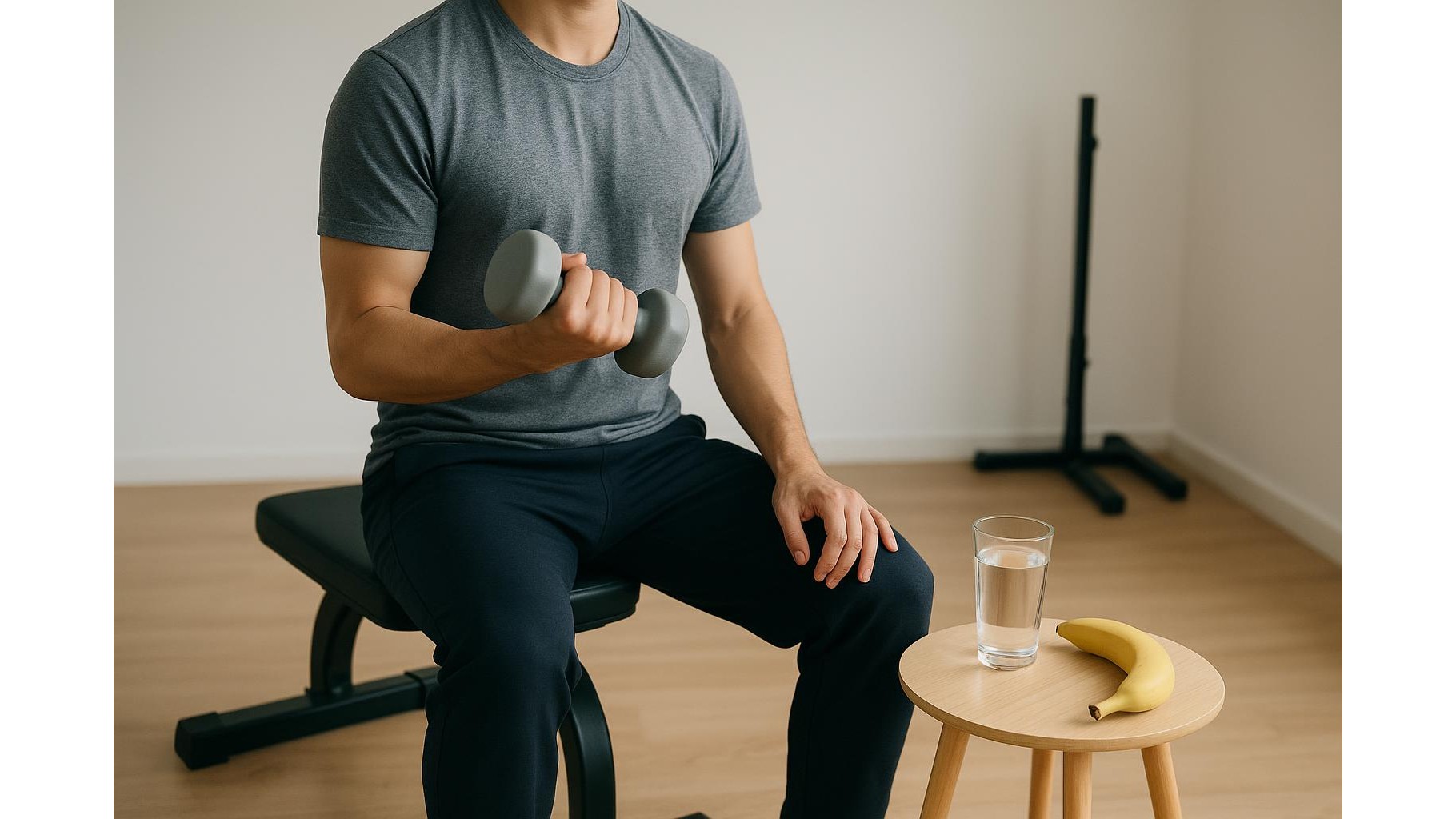
If most traditional pre-workouts are too harsh, you can still build a supportive pre-workout routine around gentler building blocks. A small, low-fat snack such as a banana or a slice of gluten-free toast about 60–90 minutes before training often provides enough energy without overloading digestion. Some athletes do better with lower caffeine intakes, such as a small coffee or tea instead of a concentrated powder. Adequate hydration with water and a modest amount of electrolytes, rather than sugary sports drinks, can help maintain performance while respecting a sensitive gut. Start by changing just one element at a time—such as reducing caffeine or removing sugar alcohols—so you can see exactly what your digestion tolerates best.
How to time pre-workout intake for a calmer gut
For IBS and sensitive digestion, timing is almost as important as the ingredients themselves. Taking a pre-workout or even a simple coffee too close to your session can coincide with peak gut stimulation while you are doing intense exercise. Many people find that consuming their main pre-workout drink or snack 60–90 minutes before training gives enough time for initial digestion and reduces cramping. If you use any caffeinated product, avoid taking it on a completely empty stomach: pairing it with a small, tolerated carbohydrate source can soften its impact on the gut. During home workouts, keep sips of water steady but moderate to avoid stomach sloshing, and save larger meals for at least one hour after finishing your session.
Practical checklist for safer pre-workouts with IBS
To make everyday choices easier, use a simple checklist whenever you consider a new pre-workout supplement or routine:
- Check that caffeine per serving is at a moderate level for you, not the maximum advertised dose
- Avoid products packed with sugar alcohols or labelled with multiple artificial sweeteners in high quantities
- Prefer short, transparent ingredient lists over complex proprietary blends
- Introduce only one new product or change at a time and track any IBS symptoms
- Adjust timing so there is at least an hour between intake and intense exercise
By focusing on these principles, most home athletes can find a sustainable balance between performance and digestive comfort.
Listening to your gut while chasing performance
Living with IBS or a sensitive digestion does not mean giving up on strong home workouts, but it does demand a more thoughtful approach to pre-workout supplements. Rather than chasing the strongest formula, prioritise gentle ingredients, moderate caffeine, simple snacks and smart timing. Monitor how your gut responds, adjust slowly and keep your routine as consistent as possible. Over time, this patient, informed approach usually delivers better strength, endurance and comfort than any extreme “high-stim” powder could offer.