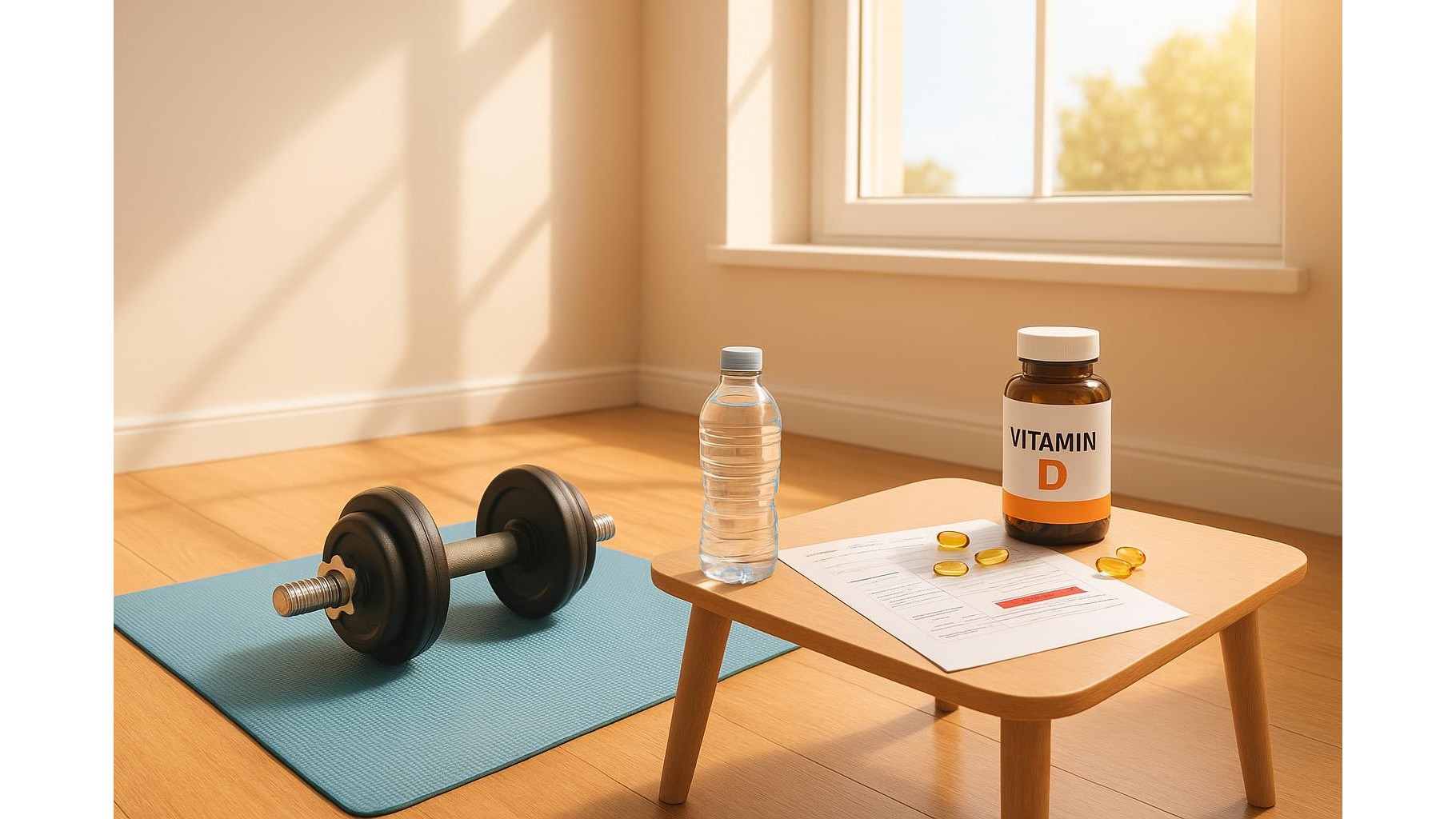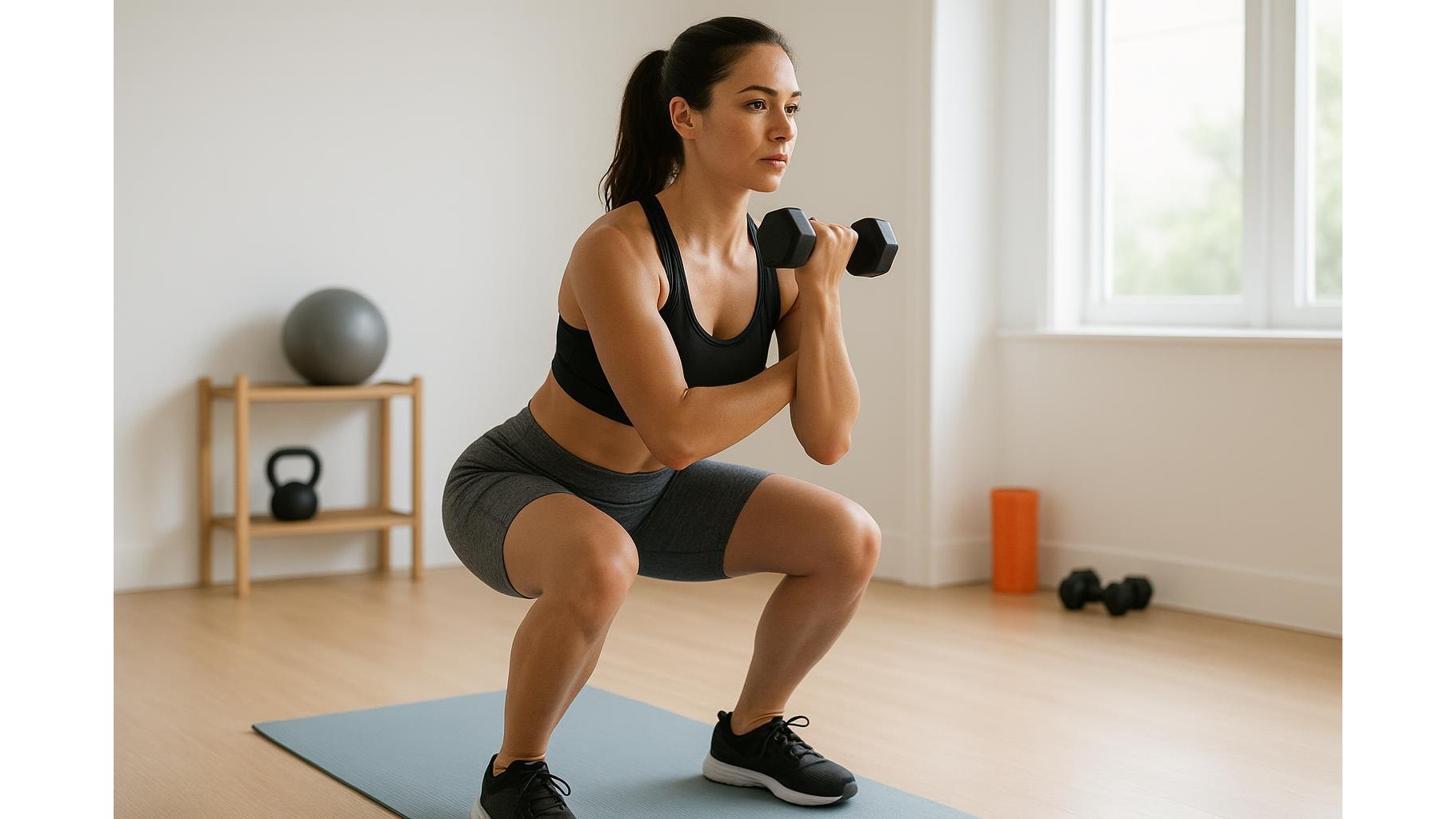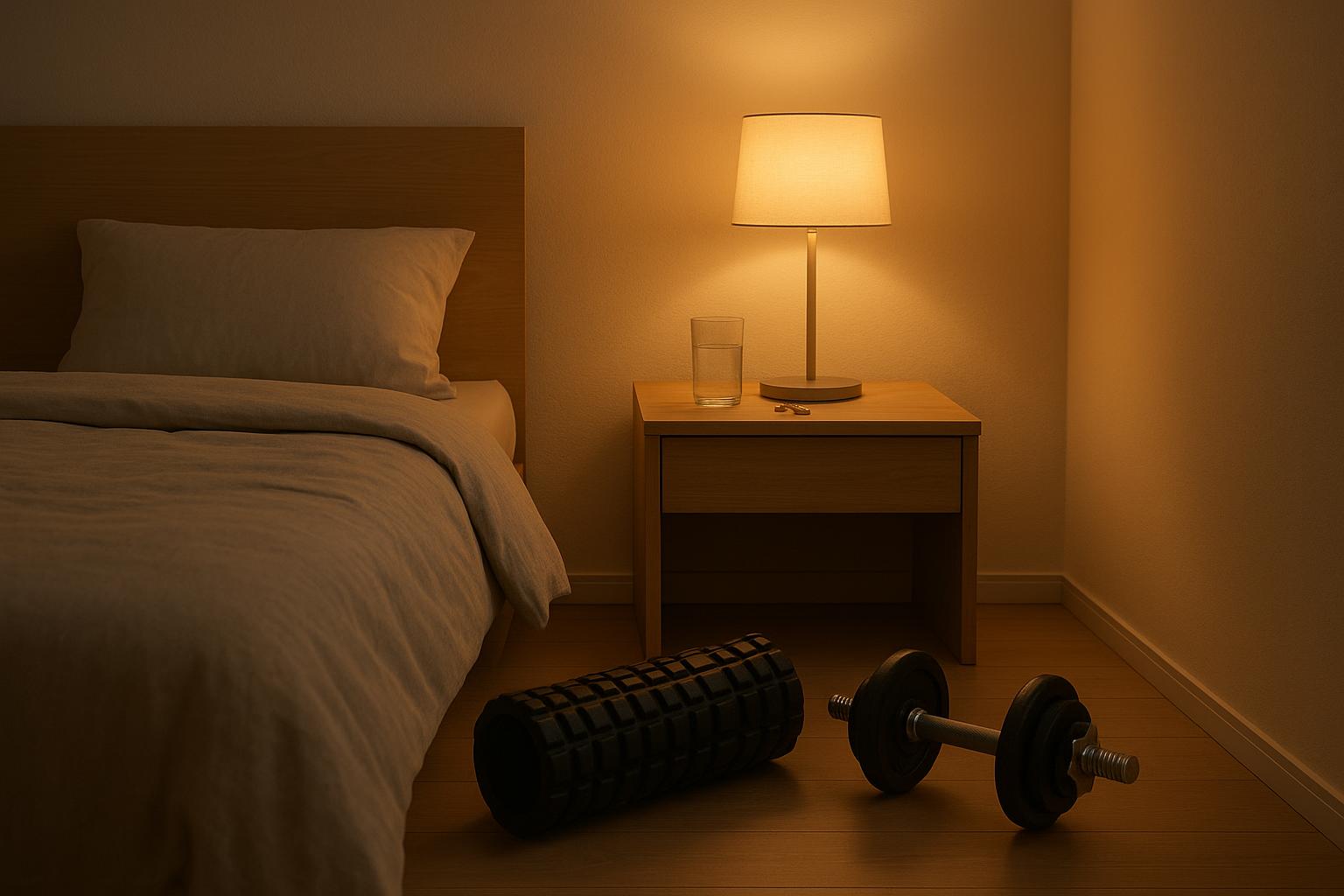
For home athletes, the hours after an evening workout are precious. You want to speed up recovery, reduce soreness and be ready for your next session—without sabotaging your sleep quality. Pre-bed supplements are heavily marketed as miracle fixes, but only a handful have solid evidence and a good safety profile. This guide focuses on practical, evidence-based options that can support recovery while protecting, or even improving, your sleep.
Table of contents
Magnesium: nervous system support without heavy sedation
Among evening supplements, magnesium is one of the most studied. It plays a key role in muscle relaxation, nerve function and energy production, which is why many home lifters and runners turn to it after training. Certain forms such as magnesium glycinate or citrate are preferred for better absorption and fewer digestive issues compared with oxide. While magnesium is not a knockout sleep pill, people who are deficient often report fewer nighttime cramps, less restlessness and slightly deeper sleep. For most healthy adults, moderate doses taken with or after dinner are well tolerated; extremely high doses can cause diarrhoea and are unnecessary. Because it acts more as a subtle regulator of the nervous system than a sedative, magnesium is a good baseline supplement for athletes who want to support recovery without feeling groggy.
Glycine: an underrated ally for sleep depth and recovery
Glycine is an amino acid involved in collagen formation, detoxification and neurotransmitter balance. Research suggests that 3 g taken about an hour before bed can promote a gentle drop in core body temperature and improve subjective sleep quality. Unlike strong sleep drugs, glycine does not force you into unconsciousness; instead, many users describe falling asleep more easily and waking up feeling more refreshed, with less morning grogginess. For home athletes, this matters because better sleep depth is closely tied to muscle repair, hormone balance and reduced perceived fatigue. Glycine is typically taken as a slightly sweet powder mixed in water or a light snack and combines well with magnesium. As long as you avoid very high doses, side effects are rare, making it a low-risk option to experiment with in your pre-bed routine.
Herbal extracts like valerian and lemon balm: mild and situational
Traditional herbs such as valerian root and lemon balm are often bundled into “night” formulas aimed at reducing pre-sleep tension. Evidence is mixed but suggests a modest benefit for sleep onset, especially in people who feel mentally wired rather than physically overstimulated. For the home athlete training after work, this can translate into a smoother transition from intense focus to relaxation. The main advantage of these herbs is that they are relatively gentle on the sleep architecture compared with alcohol or sedative medications. However, quality varies widely among products, and higher doses of valerian can cause vivid dreams or a “heavy head” the next morning in sensitive people. They are best used occasionally, on stressful days or during demanding training blocks, rather than as an every-night crutch.
Tart cherry and inflammation: recovery without stimulating the brain
Tart cherry juice and capsules are popular for their high content of anthocyanins, plant compounds with anti-inflammatory and antioxidant effects. Small clinical trials in athletes show reduced markers of muscle damage and slight improvements in sleep duration and efficiency, potentially due to naturally occurring melatonin and the reduction of low-grade inflammation that can disturb sleep. Unlike heavy melatonin dosing, which can disrupt your own hormone rhythm, tart cherry appears to offer a milder, more food-like nudge. For home gym users who experience post-leg-day soreness that interferes with finding a comfortable sleeping position, a measured dose of tart cherry in the evening may help with both DOMS and night-time awakenings. As with any concentrated fruit product, be mindful of total sugar intake if you opt for juice rather than capsules.
Ashwagandha and stress: when your mind keeps you awake
Many home athletes train late because it is the only slot that fits around work and family. The downside is that you may still be mentally wired at bedtime. Ashwagandha, an adaptogenic herb, has been studied for its ability to lower perceived stress and support more stable cortisol patterns. Several trials report improvements in sleep quality and reduced time to fall asleep, especially in people with high baseline anxiety. By dialling down chronic stress rather than directly sedating you, ashwagandha can indirectly support better recovery and training consistency. However, it is not suitable for everyone: people with thyroid disorders, autoimmune conditions or those taking certain medications should consult a professional before use. If tolerated, a moderate dose in the early evening, combined with good sleep hygiene, can help calm pre-bed overthinking that often undermines recovery.
In summary, the best pre-bed supplements for home athletes are those that gently support recovery and sleep quality without overriding your natural rhythms. Magnesium and glycine offer foundational nervous system and sleep benefits; herbal extracts like valerian and lemon balm may help on high-stress days; tart cherry supports inflammation control and sleep duration; and ashwagandha targets stress-driven insomnia. None of these can compensate for poor training structure, late heavy meals or bright screens at night, but used thoughtfully, they can be valuable tools in a broader recovery strategy that keeps your home workouts productive and sustainable.