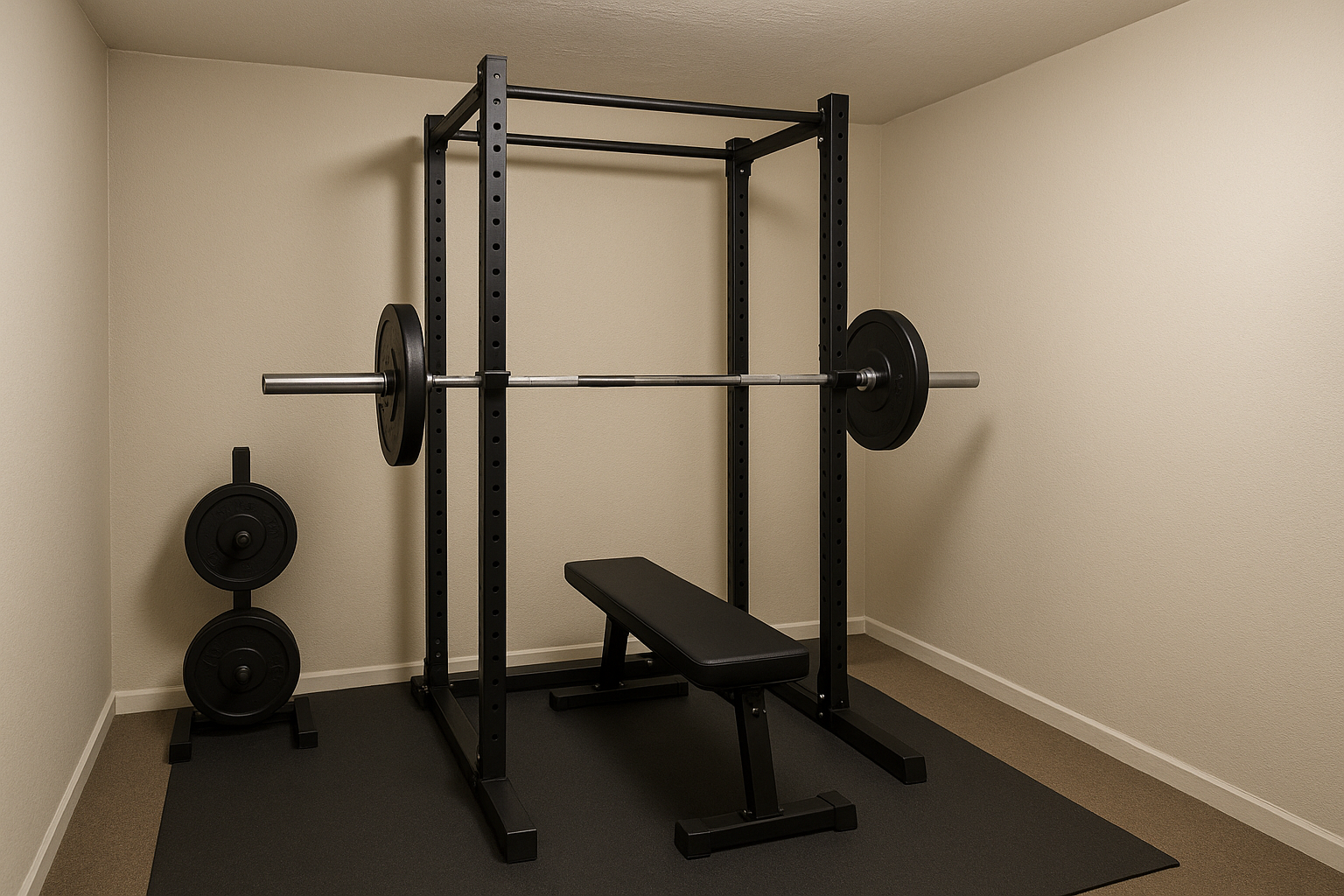
Training mainly at home often means more repetitive sessions, less access to professional recovery tools and a higher risk of nagging aches. It is no surprise that many home athletes look at omega-3 supplements hoping for faster recovery, healthier joints and better long-term heart health. But not everyone actually needs them, and not every capsule is worth the money. This article offers an evidence-based overview of when omega-3s really help, what doses are supported by research, and in which cases they add little or nothing to a well-structured home training and nutrition plan.
Table of contents
How omega-3s work for recovery and joints
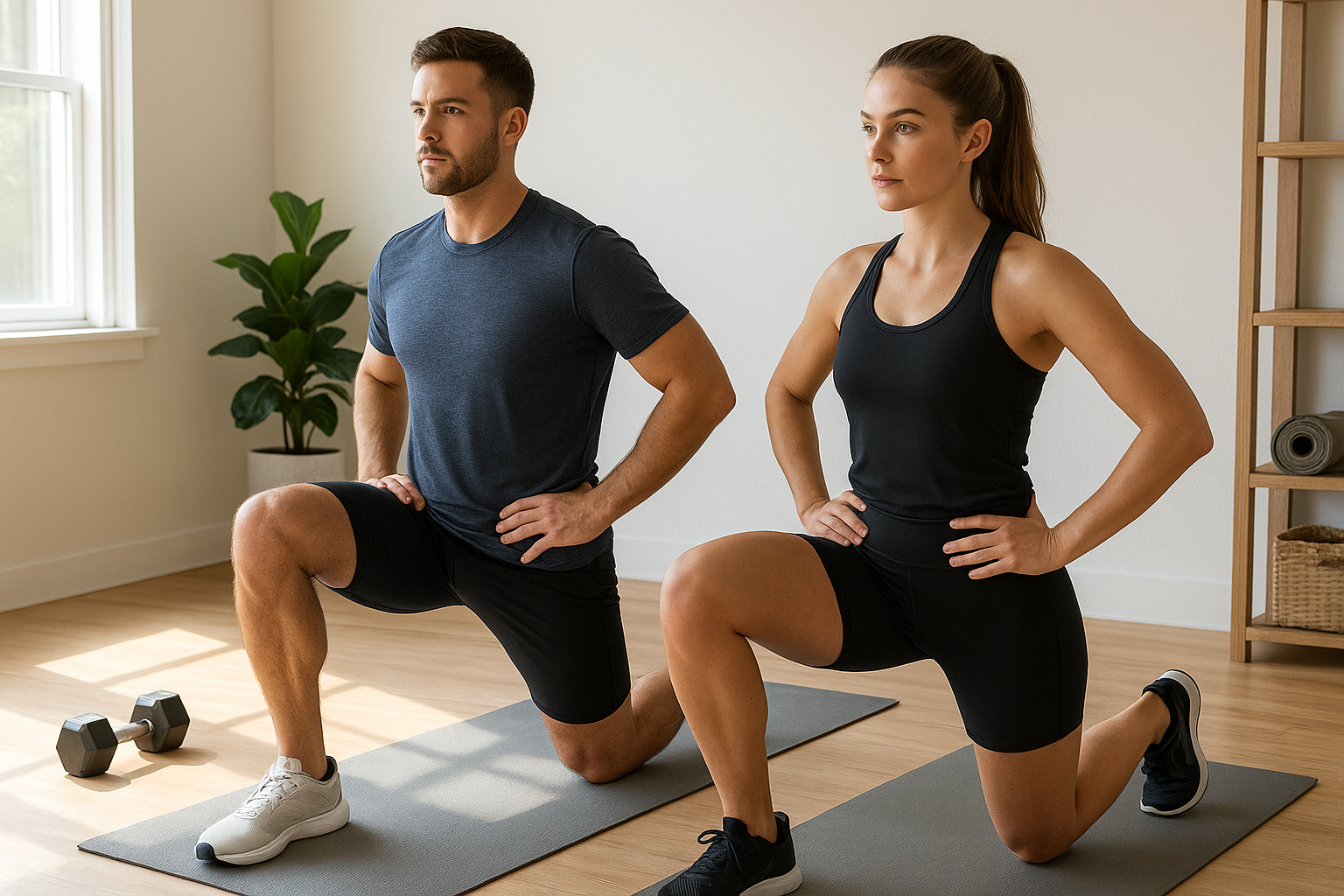
Omega-3 fatty acids (mainly EPA and DHA) help regulate the body’s inflammatory response. For home athletes who perform frequent bodyweight or dumbbell sessions, this can mean slightly less muscle soreness and fewer flare-ups of joint discomfort, especially when volume goes up. Clinical research suggests that, in people with low baseline omega-3 intake, supplementation can modestly reduce delayed onset muscle soreness and perceived fatigue after intense workouts. Benefits are most apparent in older trainees, those with pre-existing joint issues, or athletes doing high-repetition circuits that stress knees, shoulders and lower back. However, omega-3s are not painkillers: they support the background environment for recovery, but they will not compensate for poor exercise technique, lack of deload weeks or inadequate sleep.
Cardiovascular and general health benefits for home lifters
Beyond local effects on soreness, omega-3s are well-known for their role in heart health. For people who train at home, this matters because activity levels can still be highly variable: some days you hit your circuit, others you sit at a desk for hours. Adequate EPA and DHA intake supports triglyceride reduction, helps maintain normal blood pressure and contributes to overall cardiovascular protection, especially in individuals with risk factors such as overweight or a family history of heart disease. Combined with consistent home training (intervals on a bike, step-ups, skipping rope, strength work), omega-3s can be one more tool to protect long-term health. That said, the foundation remains a balanced diet, enough daily movement and regular check-ups; supplements should be seen as a small adjunct, not the main strategy.
Recommended dosage and how to read labels
Most studies on performance recovery and joint health use between 1,000 and 3,000 mg per day of combined EPA + DHA. The key is to look at the exact EPA and DHA content per serving, not just the total “fish oil” amount. A typical capsule might contain 1,000 mg of fish oil but only 300–400 mg of EPA + DHA. In that case, you would need multiple capsules to reach research-based doses. For many home athletes with a decent fish intake, around 1,000 mg/day of EPA + DHA can be a reasonable target; those with very low fish consumption or specific joint complaints may go towards the higher end, always checking with a healthcare professional if they take medications that thin the blood. Splitting the dose with meals can improve tolerability and reduce fishy aftertaste.
Quality markers: purity, oxidation and certifications
Not all omega-3 products are equal. When you evaluate a supplement to support your home training routine, pay attention to purity and quality markers. Look for brands that state low levels of heavy metals and contaminants, provide clear information about EPA/DHA per capsule and mention antioxidants (such as vitamin E) to protect against oxidation. A neutral or only mild fish smell is often a good sign; a strong rancid odour suggests the oil may be oxidised, which is not desirable. Whenever possible, prefer products with independent third-party testing or quality certifications and avoid formulations overloaded with unnecessary fillers or proprietary blends that hide the real active content. Storing the bottle away from heat and light will also help keep your supplement stable over time.
Who really benefits and who probably does not need omega-3s
Omega-3s make most sense for home athletes who eat little to no fatty fish (salmon, mackerel, sardines), have mild joint issues, train frequently, or have cardiovascular risk factors. Vegans and vegetarians who want direct DHA/EPA may consider algae-based omega-3 options, always checking EPA/DHA content. On the other hand, if you already eat fatty fish 2–3 times per week, maintain a balanced diet rich in whole foods and have no heart or joint issues, extra omega-3 capsules may offer only marginal additional benefits. In such cases, investing in better equipment for your home gym, a more comfortable mat, or guidance on technique could yield far greater returns on your performance, comfort and long-term progress.
In summary, omega-3 supplements can be a helpful ally for home athletes, particularly for supporting joint health, moderating inflammation and contributing to cardiovascular protection, especially when dietary intake is low. They are most effective when combined with intelligent programming, good sleep and a nutrient-dense diet. Before adding capsules to your routine, honestly assess your current food habits and training load, read labels carefully and favour high-quality, well-dosed products. Used strategically, omega-3s can support recovery and longevity in your home gym journey; used indiscriminately, they may just become another unnecessary expense.