Training consistently in your home gym puts real demands on your body, but that does not automatically mean you need a high-dose multivitamin. For many home athletes, pills become an expensive “nutritional insurance” that adds little to performance or health. Understanding when a multivitamin supplement is genuinely useful – and when smarter food choices are enough – helps you invest your money where it matters most: in your diet and your training.
Table of contents
Food first: why most nutrients should come from your plate
For generally healthy home athletes who eat a varied diet, a daily multivitamin often adds little benefit. Whole foods provide not just vitamins and minerals, but also fibre, phytonutrients and healthy fats that pills cannot replicate. A plate built around vegetables, fruit, whole grains, lean protein and healthy oils will usually cover needs for vitamin C, most B vitamins, and minerals like magnesium and zinc. Before buying supplements, it is more impactful to tighten up basics: regular meals, enough calories to fuel training, and a rainbow of plant foods across the week. Supplements should be a backup, not the foundation, of your nutrition strategy.
When a multivitamin can actually help home athletes
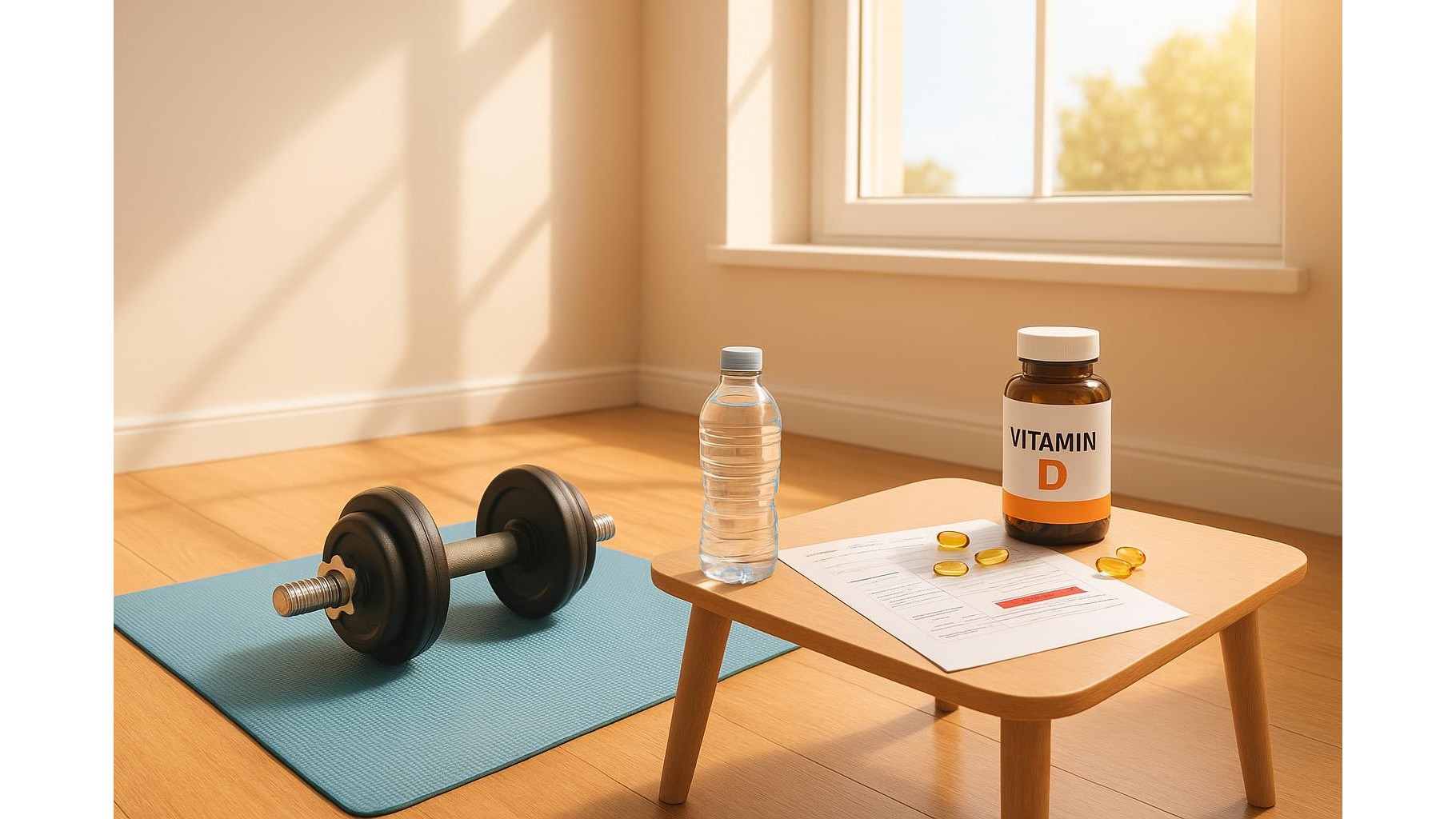
There are situations where a targeted multivitamin is useful. If you are in a long calorie deficit to lose fat, you may struggle to get enough micronutrients from food alone. Busy schedules, restricted diets (like vegan or dairy-free) or medical conditions affecting absorption can also increase your risk of shortfalls. In those cases, a moderate-dose product designed for daily use can act as a safety net while you work on improving your food choices. Think of it as a tool to cover realistic gaps, not a performance booster. If you suspect a deficiency (chronic fatigue, frequent illness, hair loss), speak with a professional for blood tests rather than self-prescribing megadoses.
How to read multivitamin labels without getting fooled
When you look at a supplement bottle, scan the label for key details: doses close to 100% of the NRV (Nutrient Reference Value) are usually sufficient for a daily multi. Be cautious with products that provide several hundred percent of fat-soluble vitamins such as vitamin A, D, E and K, as these can accumulate in the body. Beware of marketing buzzwords like “extreme performance blend” or “proprietary complex” that hide actual amounts of each ingredient. For home athletes, a simpler profile with clearly listed vitamins and minerals is often better than long ingredient lists with tiny, meaningless doses of trendy compounds.
Myths about multivitamins and performance
Many home gym users believe that more vitamins equal more energy and faster gains, but this is a myth. As long as you are not deficient, extra vitamins will not magically boost strength, endurance or muscle growth. Feeling tired is more often linked to lack of sleep, poor programming, low calorie intake or dehydration than to missing a pill. Another common misconception is that a multivitamin can “fix” an otherwise poor diet. No supplement can replace the benefits of adequate protein, complex carbohydrates and healthy fats. Consider a multi as a small part of a broader recovery system that also includes sleep, deload weeks and stress management.
Prioritising your budget: food, training and only then pills
From an evidence-based perspective, home athletes should spend their budget on quality food and smart training before considering supplements. Invest first in basics like lean protein sources, whole grains, frozen vegetables and fruit, which directly support recovery and overall health. Next, ensure your training plan includes progressive overload, deloads and realistic volume. Only after those foundations are in place does a modest multivitamin make sense for specific cases: restricted diets, heavy dieting or proven deficiencies. In many situations, it is simply an expensive extra that offers peace of mind more than measurable performance improvements.
For home athletes, the smartest approach is to treat multivitamin supplements as a secondary tool. Build your nutrition on whole foods, assess your real needs and read labels with a critical eye. When used strategically – not automatically – a multivitamin can help cover small gaps. Used unthinkingly, it is just another pill draining your budget. Focus on your plate, your programme and your recovery first; if anything is left over, then consider whether a simple, moderate-dose multivitamin truly adds value to your home training routine.