Training consistently in your home gym puts extra demands on your body, but that does not automatically mean you need a high-dose multivitamin. For many home athletes, a balanced diet already covers most micronutrient needs. For others, lifestyle, calorie restriction or specific health conditions may create gaps. This article offers an evidence-based look at when multivitamins can genuinely help, when real food is still enough, and how to use supplements safely without drifting into nutrient overload.
Table of contents
Food first: when diet covers your needs
For healthy adults who eat enough calories and include a variety of whole foods, a multivitamin supplement is often unnecessary. A plate built around vegetables, fruit, whole grains, lean protein and healthy fats usually provides sufficient vitamins and minerals to support strength training, cardio and recovery at home. Micronutrients like vitamin C, B vitamins, magnesium and zinc are widely available in everyday foods such as citrus fruit, leafy greens, beans, nuts and dairy. If your energy levels are good, you recover well between workouts and blood tests show no deficiencies, there is little evidence that adding a multivitamin will improve performance. In this scenario, spending more effort on planning meals and tracking protein, fibre and total energy intake is likely to bring more benefit than adding pills.
When home athletes may benefit from a multivitamin
Some home exercisers do have a higher risk of micronutrient shortfalls. Common red flags include dieting for fat loss with large calorie cuts, following very restrictive patterns like low-carb without planning, or skipping entire food groups (for example no dairy or no animal products) without replacing key nutrients. In these cases, a broad, moderate-dose product such as Natures Aid Multivitamins & Minerals – One-a-Day can act as a low-cost safety net. This vegan-friendly tablet covers a wide spread of nutrients including vitamin B12, selenium, calcium, magnesium and iron, all important for energy, bone health and immune support. It is not a substitute for a good diet, but when used alongside real food it can help close small gaps created by busy schedules or imperfect meal planning common among home athletes who juggle training with work and family.
Performance-focused formulas: are they worth it?
Some products target active people specifically, combining multivitamins with extra ingredients aimed at performance. An example is Optimum Nutrition Opti-Men Multi-Vitamin Supplements for Men, designed for men with a high training load. It includes a wide range of vitamins and minerals plus around 1,000 mg of key amino acids such as leucine, isoleucine, valine and glutamine, alongside herbal extracts. For dedicated home lifters following structured programmes and occasionally training in an energy deficit, a product like this can be convenient: it combines multiple nutrients that support energy metabolism, immune function and fatigue reduction. However, research still shows that basics like total calorie intake, protein per day, sleep quality and progressive overload drive the majority of performance gains. Performance-oriented multivitamins should therefore be seen as an optional layer on top of dialled-in nutrition, not a shortcut.
Everyday coverage and immune support
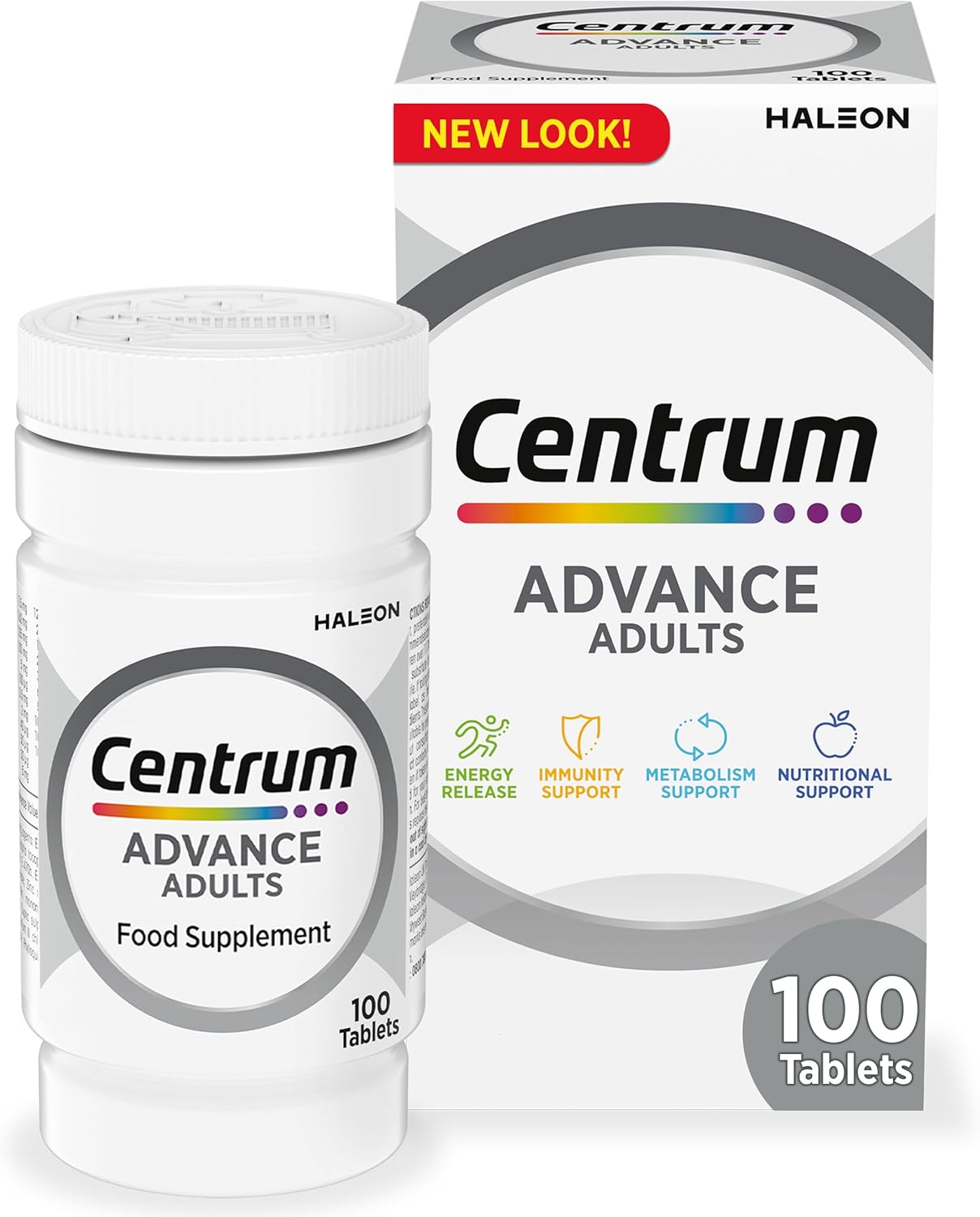
For many men and women training at home a standard, balanced multi is sufficient. Centrum Advance Multivitamin & Mineral Supplements is a widely used option that provides 24 nutrients, including all essential vitamins A, C, D, E and B-complex plus key minerals such as calcium, zinc and manganese. It is free from lactose, wheat, gluten and nuts, which can be useful for home athletes with dietary sensitivities. Ingredients like vitamins B2 and B6 help unlock energy from food, while vitamin C and zinc support normal immune system function, valuable during heavy training phases when recovery demands are higher. If your diet is decent but not perfect and you want simple daily coverage, a once-a-day product like this can be a practical solution, provided you respect the recommended serving and continue to prioritise whole foods.
Risks of overdosing and how to avoid them
While moderate multivitamin use is generally safe for healthy adults, stacking several supplements can push certain nutrients above safe upper limits. Combining a multivitamin with separate high-dose vitamin D, vitamin A, iron or zinc products can be problematic, especially over months or years. Symptoms of excess intake may be subtle at first, including digestive upset, headaches or fatigue, and are easily mistaken for training stress. To minimise risk, home athletes should read labels carefully, avoid taking more than one broad-spectrum multivitamin at the same time, and be cautious of products that dramatically exceed 100% of the recommended daily value for fat-soluble vitamins. Getting blood work through a healthcare professional before and during long-term supplement use is the most reliable way to check that your approach is both effective and safe.
Building a smarter supplement strategy at home
The smartest strategy for home athletes is to treat multivitamins as insurance, not a magic performance enhancer. Start by improving your basic nutrition: eat enough calories for your training volume, target high-quality protein sources, and include a variety of colourful plants and whole grains. If, after this, your diet still has unavoidable gaps, consider a well-balanced product such as Natures Aid Multivitamins & Minerals or Centrum Advance, and choose more specialised options like Optimum Nutrition Opti-Men only if your goals and training load truly justify them. Always follow serving guidelines, avoid unnecessary stacking and consult a health professional if you have underlying conditions or take medication. In most cases, food will remain your primary performance fuel, and a carefully chosen multivitamin will simply help you train hard and recover well in your home gym with added confidence.