When you train mainly in your home gym, it is tempting to add a daily multivitamin to your routine, hoping it will boost energy, recovery and immune system. But for many people with a decent diet, that colourful tablet just turns into what experts jokingly call “expensive pee”. This article looks at who may actually benefit from a multivitamin, how to read labels, and how to avoid wasting money or risking overdose.
Table of contents
Who really needs a multivitamin when training at home
For a healthy adult eating a varied diet rich in fruit, vegetables, whole grains, fish and dairy, a multivitamin is often unnecessary. However, some home fitness enthusiasts may benefit. People with very low calorie diets, vegans, shift workers, or those who often skip meals may struggle to hit their daily needs for vitamin D, B vitamins, iron or zinc. In these cases, a well-formulated product like Centrum Performance Tablets Multivitamin & Mineral Supplements can help cover gaps with 21 essential nutrients and added ginseng for active lifestyles. The key is to view it as a safety net for clearly imperfect diets, not a replacement for real food.
Common deficiencies in people who work out at home
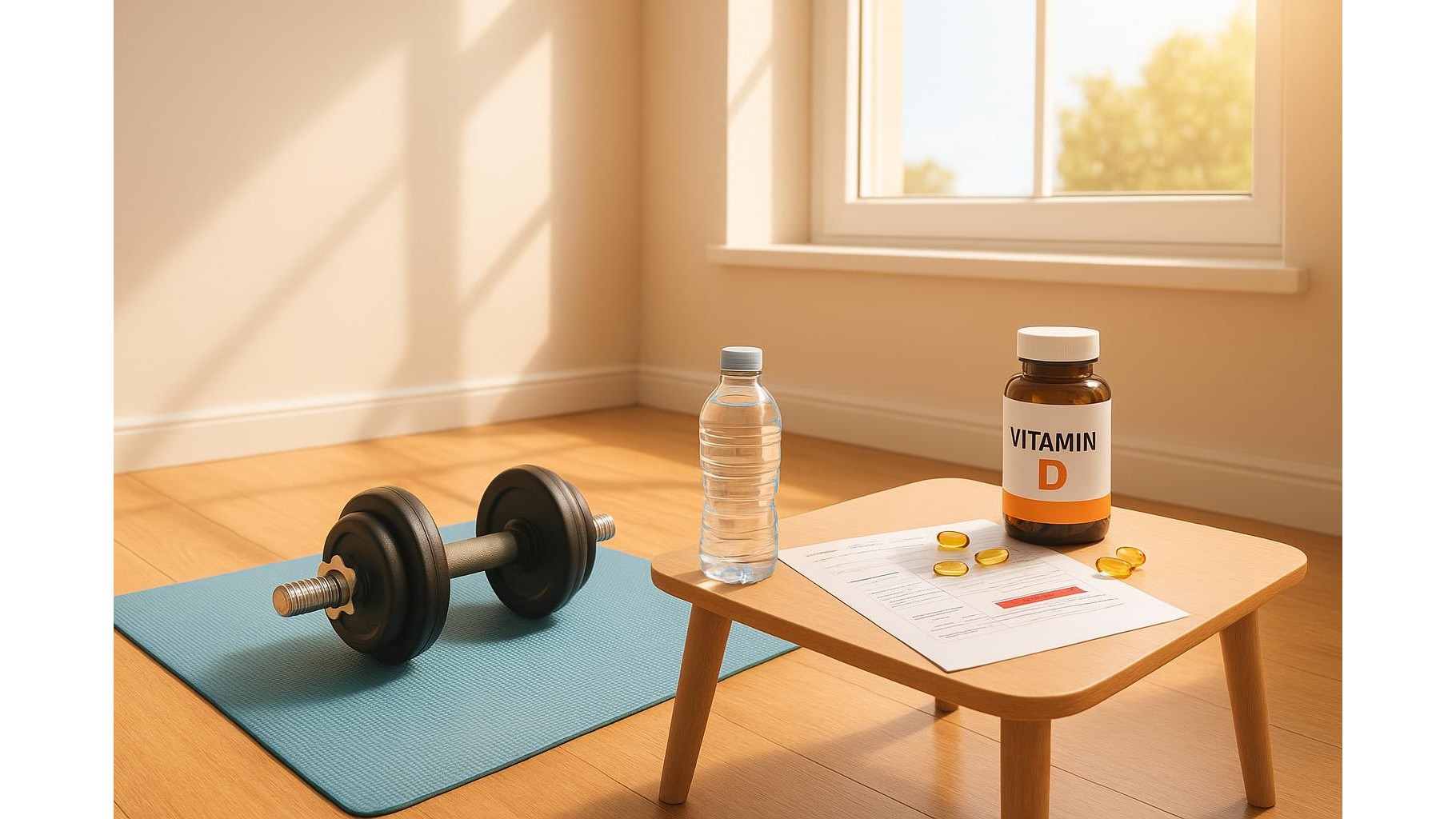
Even motivated home athletes often show similar weak spots in their intake. Limited sun exposure, especially in northern climates, makes vitamin D a frequent deficiency, affecting muscle function, mood and immunity. Low intake of oily fish can reduce omega‑3 fats (not covered well by most multivitamins), while diets low in red meat may mean marginal iron and zinc. Intense training increases demand for B vitamins, which support energy metabolism, and magnesium, important for muscle relaxation and sleep. A sport-focused formula such as Vitabiotics Wellwoman Sport and Fitness targets active people with added antioxidants and green tea extract, but these benefits still only matter if your diet is lacking in the first place.
How to read multivitamin labels without being fooled
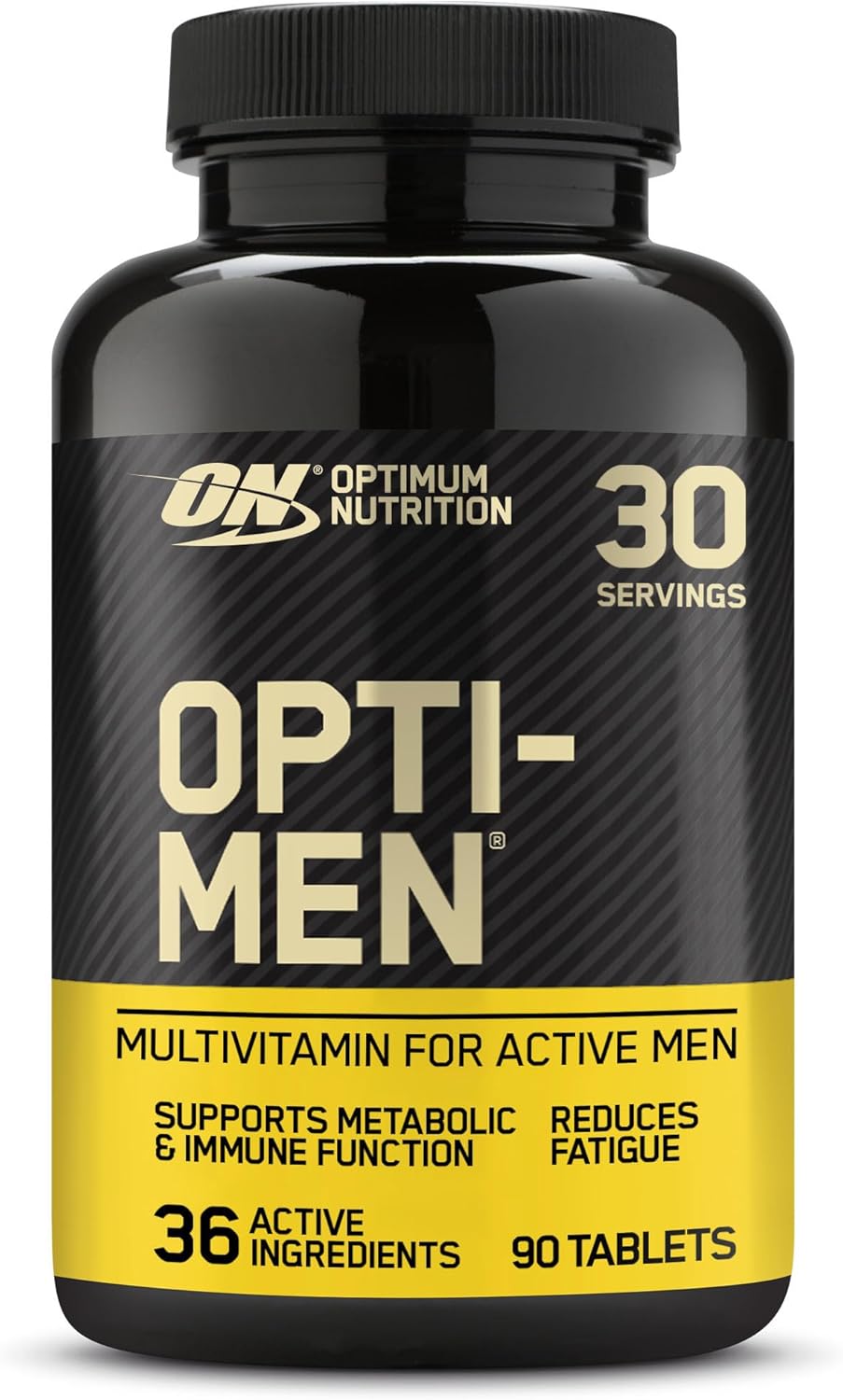
When looking at the label, the first step is to check the % of NRV (Nutrient Reference Value) for each vitamin and mineral. A good product will provide around 50–100% NRV for key micronutrients like vitamin C, D, B6, B12, folate and zinc, rather than megadoses hundreds of times higher. Also examine what the formula actually focuses on: Optimum Nutrition Opti-Men Multi-Vitamin includes 36 active ingredients, with added amino acids such as leucine and glutamine, aimed at very active men. That may justify the higher price for some, but those extras are not magic if your protein intake is already high. Watch out for marketing buzzwords and remember that more ingredients do not automatically mean more benefit.
Safe dosages and when a pill becomes “expensive pee”
Water‑soluble vitamins like vitamin C and B‑complex are excreted in urine when taken in excess, which is why people joke about expensive pee. Fat‑soluble vitamins (A, D, E, K) can accumulate, so chronic high doses carry some risk. For most adults, aiming for around 100% of NRV from supplements (on top of food) is usually sufficient; going far beyond that rarely boosts performance or recovery. Products such as Centrum Performance and Wellwoman Sport are designed for once‑daily use and should not be stacked with multiple other fortified products. If you already use protein powders, energy drinks or “immune shots”, check their labels to avoid doubling up on the same nutrients.
Food first: when your diet is more than enough
For many home gym users, the smartest performance upgrade is not a pill but a better plate. Building your daily menu around lean protein (eggs, poultry, dairy, legumes), a rainbow of vegetables, whole grains like oats and brown rice, plus nuts, seeds and some oily fish will easily provide most vitamins and minerals you need. Simple habits—like adding a portion of greens to each meal and including fruit as snacks—often remove the very deficiencies people hope to fix with supplements. In this context, a multivitamin like Opti-Men becomes optional insurance rather than a necessity, and you may choose to take it only during heavy training blocks or periods of high stress, instead of all year round.
Practical guidelines for home athletes considering a multivitamin
If you are thinking about adding a daily multivitamin, start by honestly assessing your diet, sun exposure and training load. If your intake is inconsistent, a once‑daily product targeted at active adults—such as Wellwoman Sport for women or Centrum Performance and Opti-Men for men—can be a reasonable choice. Stick to the recommended serving, avoid combining different multivitamins, and give yourself 8–12 weeks before judging the effect. If your diet is already strong, your sleep solid and blood work normal, you may not notice much beyond brighter urine—which means your money might be better spent on quality food, a coach, or upgraded home gym equipment.
In summary, multivitamins are not magic bullets for home fitness, but targeted tools. For those with genuine gaps in their diet or higher demands from intense training, a well-chosen product at sensible doses can support overall health and performance. For others, the real gains still come from consistent training, smart recovery, and a nutrient‑dense diet—while the wrong pill, taken for the wrong reasons, is just another way to pay for expensive pee.