For many home athletes, the hardest part of training isn’t the workout itself but the evening muscle tightness that shows up hours later. Two of the most common supplements people reach for are magnesium and electrolyte mixes, but they do not work in the same way. Understanding the difference can help you choose what actually supports your body after your home workouts and around bedtime.
Magnesium: why this mineral matters for tight muscles
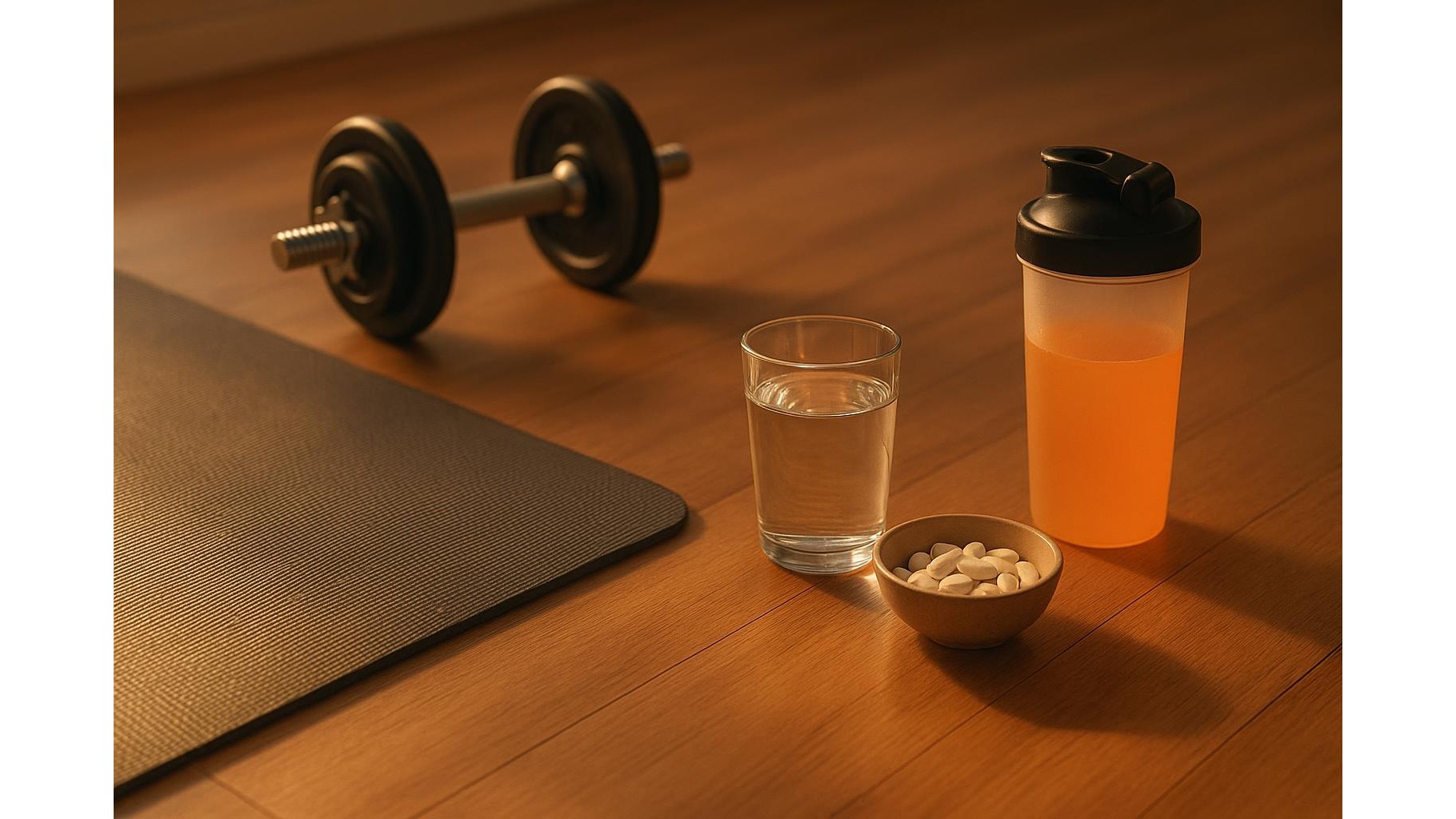
Magnesium is a key mineral involved in muscle relaxation, nerve function and energy production. When levels are low, you may notice symptoms like evening leg cramps, twitchy calves after a squat session, or a feeling that your muscles never fully “switch off” at night. Food sources such as leafy greens, nuts and whole grains help, but active people may benefit from topping up. While we can’t reference a specific UK product here, typical magnesium supplements come as tablets, capsules or powders containing forms like magnesium citrate, glycinate or malate, which are often better absorbed than the cheaper oxide form. For home athletes, taking magnesium after your last main meal or 1–2 hours before bed may support calmer muscles and more restful sleep.
Electrolytes: fast support for hydration and cramp-prone athletes
Electrolytes are minerals such as sodium, potassium and magnesium that help regulate hydration, nerve impulses and muscle contractions. When you train at home in a warm room, sweat heavily on the bike or treadmill, or do long HIIT circuits, you lose both water and electrolytes. This can lead to exercise-associated muscle cramps, headaches and a “drained” feeling. Standard electrolyte powders and tablets are designed to be mixed with water before, during or right after your workout to replace what you sweat out. They are especially helpful if you tend to cramp during sessions, feel dizzy when you stand up after a long set, or notice very salty sweat marks on your clothing. For most people, an electrolyte drink around training time is more effective than plain water alone.
Who needs magnesium, who needs electrolytes – and who may need both
If your main issue is night-time muscle tension after otherwise comfortable workouts, or you sleep poorly because your legs feel restless, magnesium may be the first strategy to test, alongside good sleep hygiene and adequate dietary intake. On the other hand, if your cramps appear during exercise, especially in hot conditions or in longer sessions, an electrolyte drink around training is often more relevant. Many home athletes fall into a middle category: they sweat a lot in training and also sit for long hours at a desk. In this case, a low-sugar electrolyte drink around workouts plus an evening magnesium supplement can be a complementary combination. Always consider your overall health and, if you have kidney, heart or blood pressure issues, ask a healthcare professional before adding new supplements.
How to time magnesium and electrolytes around home workouts
Timing matters if you want to reduce evening tightness. Electrolytes work best when taken pre-, intra- or post-workout: sip an electrolyte drink 30 minutes before starting and continue during longer or sweatier sessions. This supports fluid balance and helps reduce the risk of mid-session cramping. Magnesium, by contrast, is usually more helpful when taken consistently once a day, rather than “on demand.” Many home athletes prefer an evening dose, after their last meal or closer to bedtime, which fits well with its role in relaxation. Avoid stacking very high doses; more is not always better and can cause digestive issues. Combine this routine with gradual cooldowns, gentle stretching and not finishing intense training minutes before you try to sleep.
Safety, side effects and realistic expectations
Both magnesium supplements and electrolyte mixes are widely used, but they are not magic bullets. Excessive magnesium, especially in forms like magnesium oxide, may cause loose stools or stomach upset, so start with moderate amounts and adjust. Electrolyte drinks can be very high in sugar or sodium, which may not be ideal if you are managing blood pressure or calorie intake, so check labels and choose low-sugar options when appropriate. Remember that tight muscles can also be caused by overtraining, poor movement technique, stress or simply sitting too much between home workouts. Use supplements as part of a bigger strategy: progressive programming, mobility work, quality sleep and a nutrient-dense diet.
Evening muscle tightness is a common challenge for home athletes, but it does not have to be your normal. Electrolytes shine when you are sweating and cramp-prone during workouts, while magnesium is more about supporting ongoing muscle relaxation and nighttime comfort. By understanding what each does and timing them strategically around your home training, you can experiment safely, track how your body responds and build a simple routine that keeps your muscles calmer long after you rack the weights.