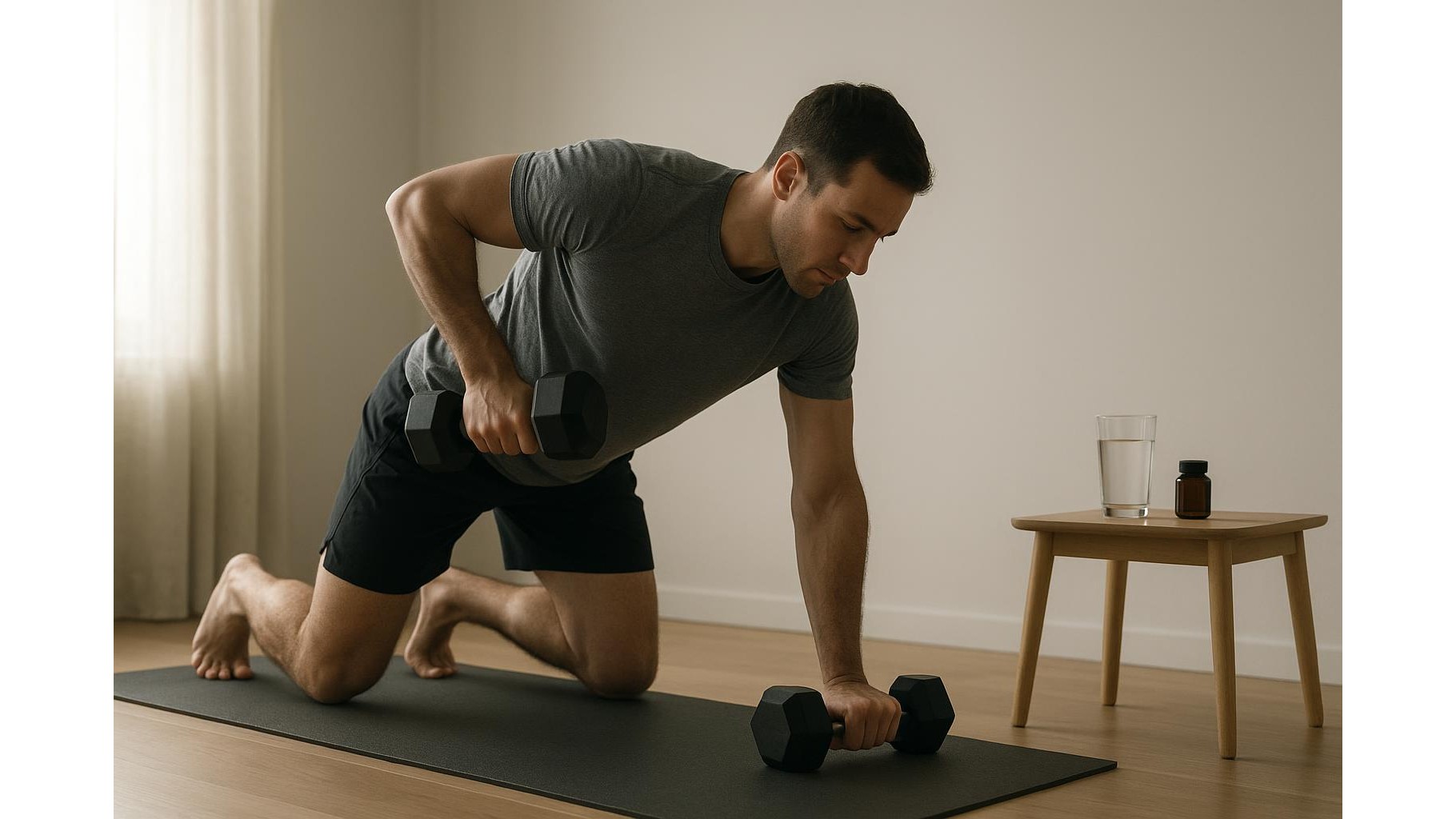
L-theanine has become a popular supplement among people who train at home and want sharp focus without the jitters of strong pre-workouts. Known for its calming yet non-drowsy effects, this amino acid can smooth out stress, enhance concentration and support more consistent performance during home workouts. Understanding how it works, how to dose it, and who should avoid it can help you decide if it deserves a place in your home gym supplement stack.
What is L-theanine and how does it work?
L-theanine is a naturally occurring amino acid found primarily in green tea leaves. Unlike stimulating ingredients such as caffeine, it promotes a state of relaxed alertness. Research suggests that L-theanine increases levels of calming neurotransmitters like GABA and may modulate serotonin and dopamine, contributing to reduced stress and improved mood. It is also linked to an increase in alpha brain waves, which are associated with a focused, meditative state. For home training, this can translate into being mentally present in your session, less distracted by daily worries and more able to stick to structured sets and reps.
L-theanine with caffeine: smoother energy for home workouts
One of the most studied uses of L-theanine is in combination with caffeine. Together, they can offer clean, stable energy that suits early-morning or after-work home workouts. Caffeine boosts alertness and reaction time, while L-theanine helps reduce jitteriness, anxiety and the post-workout “crash” some people get from coffee or energy drinks. Many users like to take a moderate dose of caffeine (for example, a small coffee) plus 100–200 mg of L-theanine 30–60 minutes before training. This stack can support focus, motivation and mind–muscle connection, helping you push through tough sets without feeling overstimulated—especially important when you train in a small, quiet home space.
Benefits of L-theanine without extra caffeine
You do not need to pair L-theanine with caffeine to benefit from it. On its own, L-theanine can be useful for those who are sensitive to stimulants, train late in the evening, or already consume enough caffeine from coffee and tea during the day. Many people report that 100–300 mg taken alone helps reduce pre-workout anxiety, performance nerves and racing thoughts. This can be ideal if you find yourself procrastinating on your workout, worrying about your performance or feeling overwhelmed by work and family demands. A calmer nervous system often leads to better breathing, steadier technique and more enjoyable, sustainable home training habits over time.
Safe dosage, timing and practical tips
For healthy adults, typical supplemental doses of L-theanine range from 100 to 400 mg per day, often split into one or two servings. For home workouts, many start with 100–200 mg taken 30–60 minutes before training, either alone or with a small amount of caffeine. Because L-theanine is non-sedating at usual doses, most people can use it in the daytime without feeling sleepy, though individual responses vary. If you train at night, L-theanine before your session may even help you wind down afterwards. Always start at the lower end of the range to assess tolerance, avoid combining it with multiple new supplements at once, and keep track of how it affects your focus, energy and sleep.
Who should avoid L-theanine or use extra caution?
Although L-theanine is generally well tolerated, it is not for everyone. People who are pregnant, breastfeeding, under 18, or taking prescription medications should speak with a doctor before use. Because L-theanine can influence neurotransmitters and blood pressure, those on medication for anxiety, depression, blood pressure or sleep disorders need medical guidance to avoid interactions. If you notice headaches, digestive discomfort or unusual drowsiness after taking it, stop use and consult a professional. Remember that supplements are not a substitute for the foundations of performance: adequate sleep, nutrition, hydration and structured training. L-theanine should be seen as a support, not a shortcut.
Integrating L-theanine into your home workout routine
When used thoughtfully, L-theanine can be a valuable ally for home training, promoting calm focus without piling on extra caffeine. Start with a modest dose, pay attention to how you feel during warm-up, main sets and post-workout, and adjust timing based on your schedule and sensitivity. Combine it with habits that naturally support mental clarity—such as a short breathing routine, a written workout plan and limiting phone distractions during sessions. With the right approach, L-theanine can help turn your home gym into a space where you train not just harder, but calmer, more focused and more consistently.