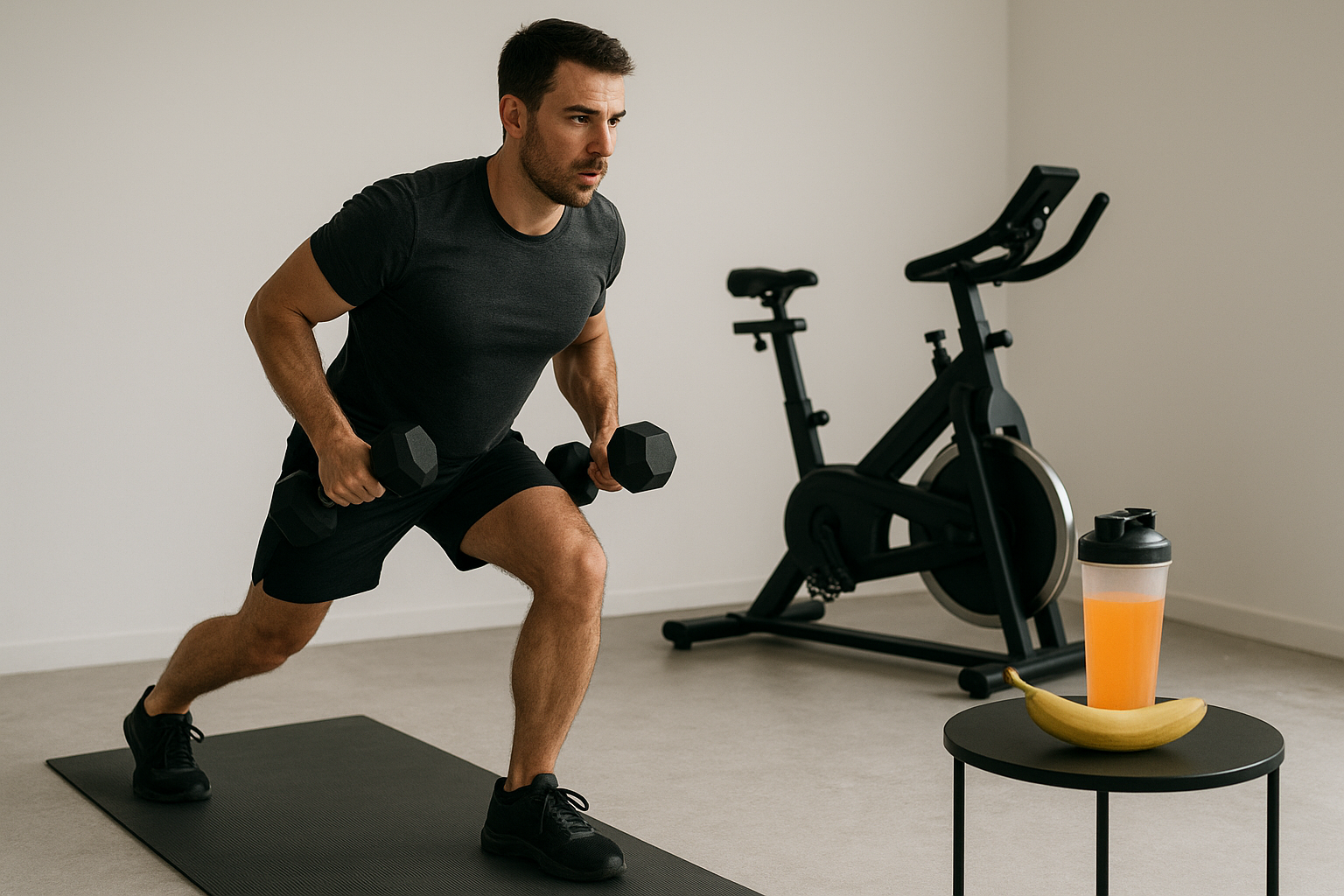
Intra-workout carbohydrates have long been a staple for endurance athletes, but as more people train in their home gym, carb powders and sports drinks are making their way into living rooms and garages too. Do you really need a scoop of carb powder for a 30‑minute dumbbell circuit? Or are intra-workout carbs only useful for specific, demanding sessions? This article offers an evidence-based look at when carb drinks, powders and whole-food options can boost performance, and when they are simply extra calories your workout does not justify.
Table of contents
What intra-workout carbs actually do
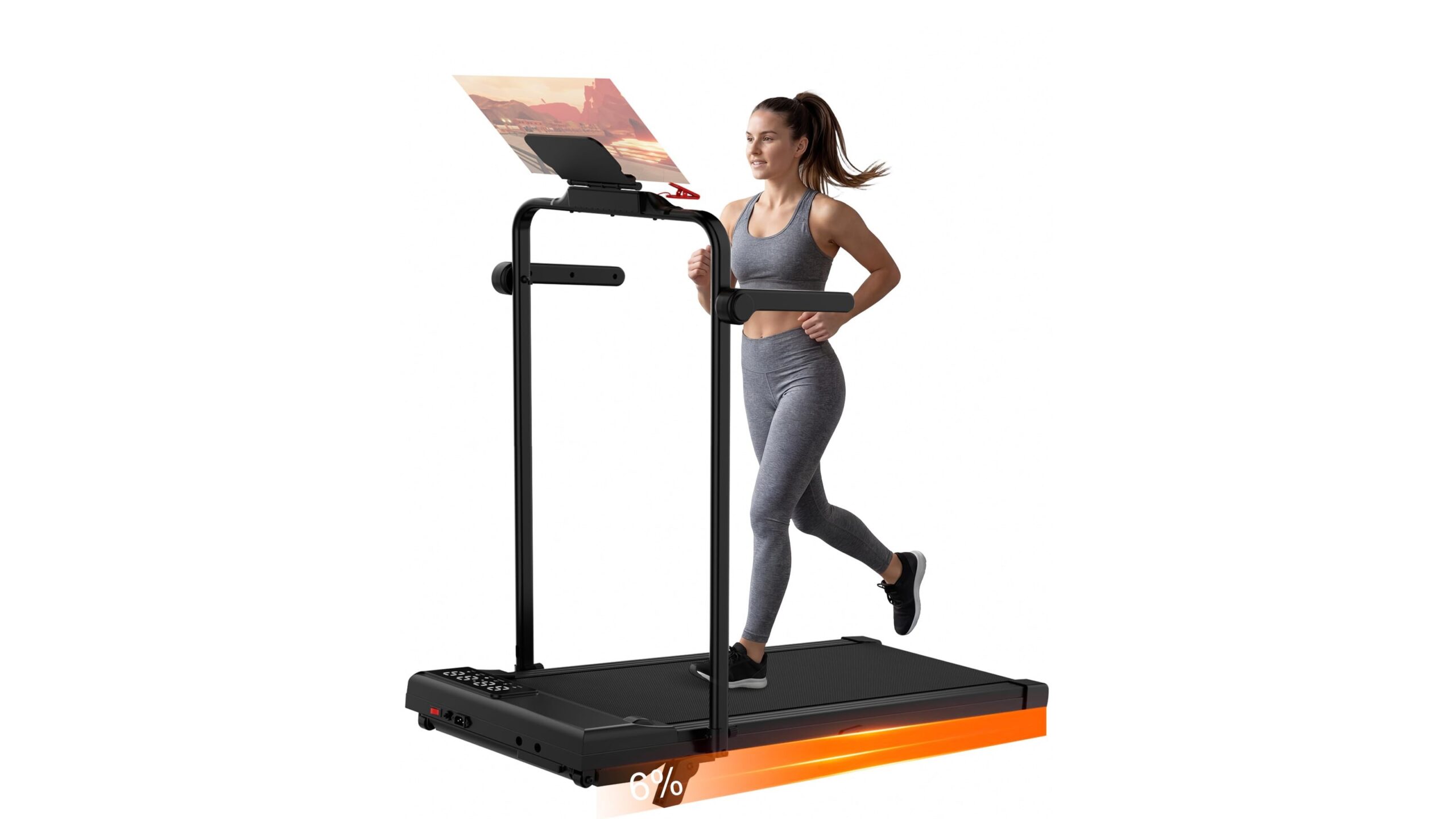
During exercise, your body relies heavily on muscle glycogen and blood glucose. Intra-workout carbs help maintain blood glucose, delay fatigue and support sustained power output, especially when training above ~60% of your VO₂max for longer than an hour. Research shows that consuming 30–60 g of carbohydrates per hour during prolonged or high-intensity sessions can improve performance and reduce perceived effort. In a home setting this applies to long, demanding workouts such as back-to-back circuits, heavy strength plus conditioning days, or indoor cycling and treadmill runs where you are pushing hard and rest periods are short.
Home workouts that really benefit from carbs
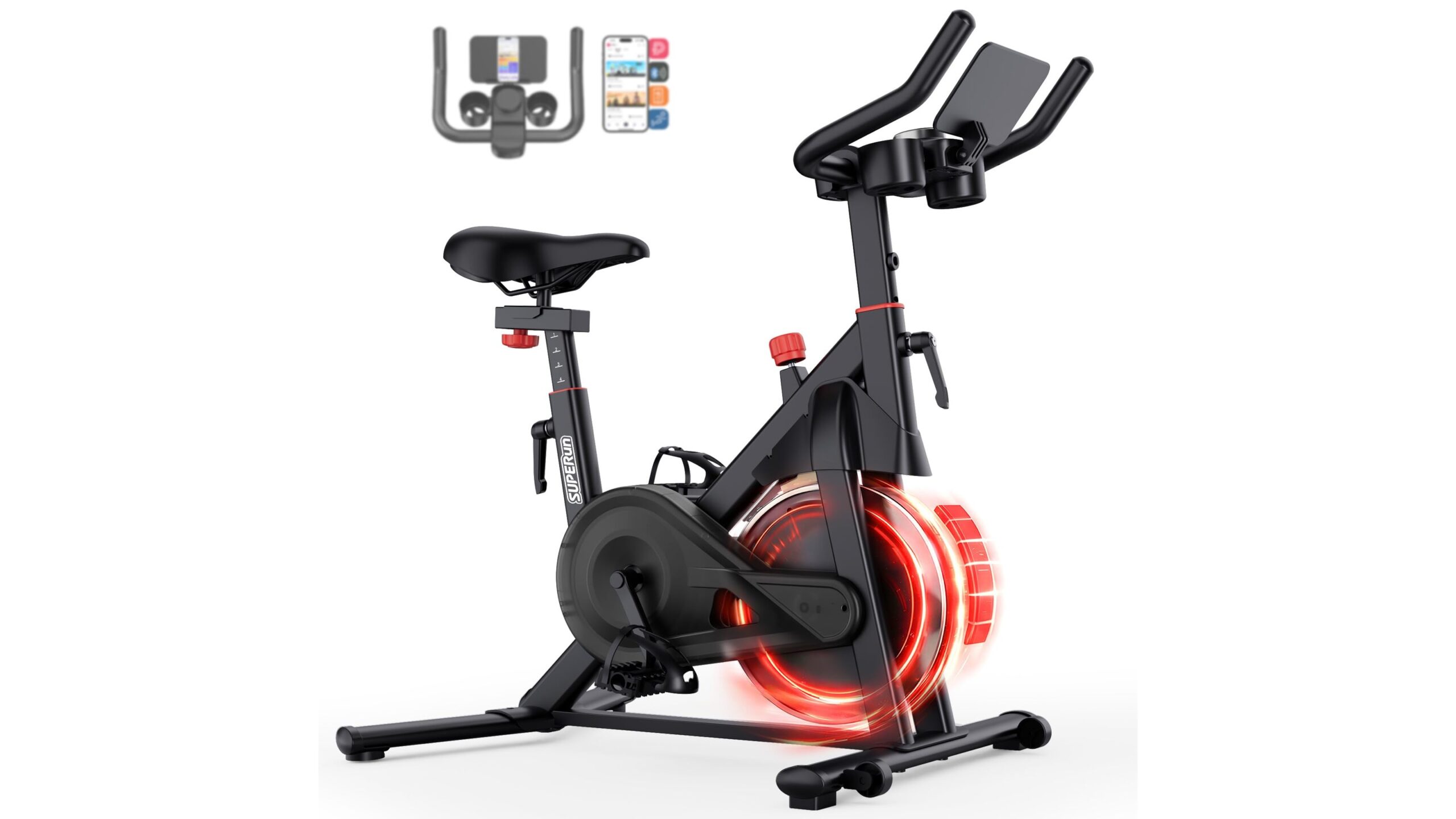
Not every at-home routine calls for intra-workout fueling. You are most likely to benefit if your home workout is longer than 60–75 minutes, involves moderate-to-high intensity with limited rest, or if you are training twice per day and need to protect performance in the second session. Examples include a 90‑minute kettlebell and bodyweight circuit, a hard 75‑minute stationary bike ride with intervals, or a long mixed martial arts or boxing session in your garage gym. In these cases, adding a simple carbohydrate drink can help you sustain pace, maintain coordination, and reduce the late-session “energy crash” that often leads to sloppy form and missed reps.
When intra-workout carbs are unnecessary at home
For many people, intra-workout carbs during home training are optional at best. Short strength sessions under 60 minutes, relaxed mobility or yoga routines, and low‑intensity cardio do not typically deplete glycogen to a level that demands extra carb intake mid‑workout. If you have eaten a balanced meal containing carbohydrates within 2–3 hours before training, your blood glucose and glycogen stores will usually cover a standard home workout. In these cases, carb powders, chews and sports drinks add calories without meaningful performance benefits, and may even slow fat loss if your goal is body recomposition. Water and electrolytes are often all you need.
How to dose carbs during your home workouts
If your home workouts are long and intense enough to justify fueling, aim for 20–40 g of carbs per hour for typical strength and conditioning sessions, and up to 60 g per hour for demanding endurance-style work. Start at the low end to assess gastrointestinal tolerance. Many athletes find an isotonic drink or diluted juice with added table sugar easy to tolerate. Sip small amounts regularly rather than chugging a large dose at once to avoid stomach discomfort. Combine intra-workout carbs with an overall daily nutrition plan rich in whole grains, fruits and vegetables, and remember that even the best carb strategy cannot compensate for chronic sleep deprivation or poor overall diet quality.
Whole foods vs. commercial carb products
In a home gym, you have easy access to both the fridge and pantry, so intra-workout whole-food options can work as well as powders. A ripe banana, a slice of white bread with jam, or a small portion of dried fruit can provide 15–30 g of fast-acting carbs and are cost-effective and minimally processed. Commercial carb powders and sports drinks, on the other hand, offer convenience, precise dosing and better tolerance during very intense or high-volume training where chewing feels uncomfortable. The key is matching the tool to the session: for long, sweaty, high-intensity home workouts, a simple carb drink can be justified; for short or moderate sessions, stick to water and let regular meals do the heavy lifting.
In summary, intra-workout carbohydrates at home are a powerful but context-dependent tool. They meaningfully support performance in long, high-intensity or twice-daily training, especially when you need to keep output high from start to finish. Yet for shorter or easier home sessions, carb drinks and powders are often unnecessary, adding extra calories without clear benefits. Evaluate the length, intensity and goals of your home workouts before reaching for the scoop, and prioritise an overall balanced diet, hydration and sleep as the true foundations of progress in your home gym.