For home lifters and cardio fans alike, immune health has become as important as progressive overload. But a crowded supplement market makes it hard to tell what truly supports the immune system and what is just clever marketing. In 2026, we have stronger evidence than ever that a few basic nutrients really matter for people who train at home — while many trendy products offer little beyond an expensive placebo. Below is an evidence-based look at which immune support supplements make sense for home training, and how to use them intelligently as part of a bigger lifestyle picture.
Table of contents
Vitamin D: the home‑training essential
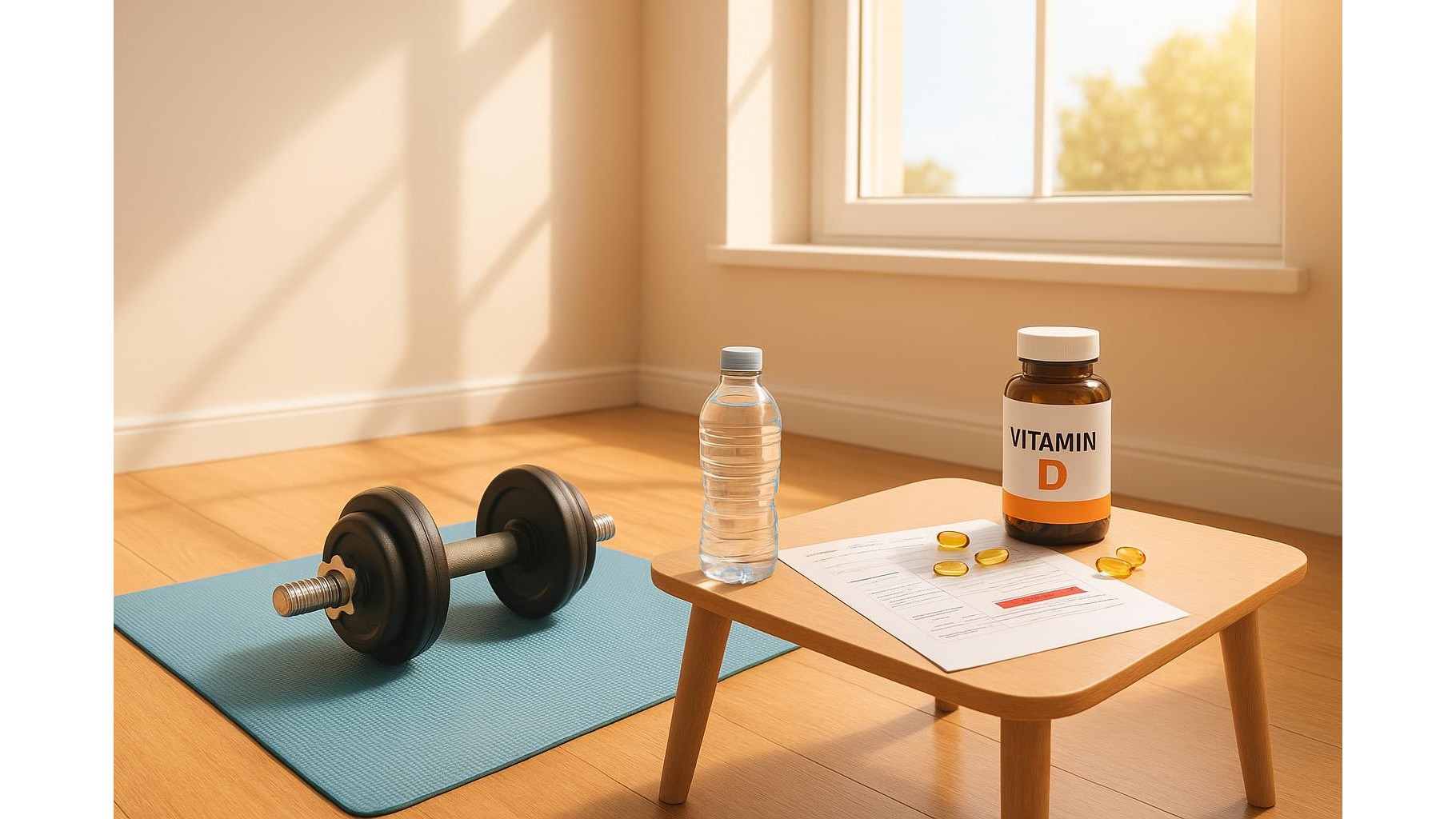
For anyone training mostly indoors, vitamin D is the first nutrient to check. Low vitamin D status is linked with more frequent respiratory infections and poorer muscle function, both of which can derail your training. While food can help, the primary source is sunlight on skin — something many home trainees lack, especially in winter or if they live at northern latitudes. A typical evidence-based dose is 1000–2000 IU per day, though heavier athletes or people with very low levels may need more under medical supervision. Look for a simple vitamin D3 supplement with a clearly stated dose, third‑party testing, and minimal fillers. Avoid megadoses unless your doctor has tested your blood levels and advised them.
Vitamin C and zinc: useful but not magical
Vitamin C and zinc are classic immune support supplements, but their real impact is often overstated. For people who already meet basic needs through diet, extra vitamin C will not make you “bulletproof.” However, intense training can slightly increase requirements, and a moderate daily supplement (e.g. 200–500 mg) can help cover gaps, especially if your fruit and vegetable intake is patchy. Zinc is more critical: deficiency impairs immune function and recovery, yet is fairly common in athletes who under‑eat or avoid animal products. A typical supportive dose is 8–15 mg per day, ideally taken away from high‑calcium meals to improve absorption. Very high zinc intakes can cause nausea and disrupt copper balance, so avoid over‑the‑top “immune blast” formulas that exceed recommended upper limits.
Probiotics and gut support: promising, but choose carefully
The gut is a major hub of the immune system, and in 2026 research continues to explore how specific probiotic strains may reduce the risk or duration of respiratory infections in active people. For home trainees, a well-chosen probiotic supplement can be a reasonable experiment, especially if you struggle with gut discomfort or frequent minor illnesses. Look for products that list specific strains (such as Lactobacillus or Bifidobacterium species) and CFU counts, and that provide storage and expiry information. However, probiotics are not a shortcut around poor sleep, high stress, or ultra‑processed diets; they are a small piece of a much bigger puzzle. Many “all‑in‑one” immune blends add unproven herbal extracts at tiny doses that are unlikely to matter, so prioritise transparently labelled products over flashy marketing claims.
Protein, omega‑3s and basic recovery nutrition
Often overlooked in immune conversations, adequate protein and omega‑3 fatty acids are fundamental to staying healthy while you push hard in your garage gym or living room. Consistent protein intake (roughly 1.6–2.2 g per kilogram of body weight per day for most lifters) supports the building and repair of both muscle and immune cells. If you struggle to hit your targets with food alone, a simple whey or plant‑based protein powder can help, but it is a convenience food, not an “immune supplement” in itself. Omega‑3 fats from fish, algae, or supplements can help modulate inflammation and support overall recovery, which indirectly benefits immune resilience. Look for products that clearly state the EPA and DHA content per serving and avoid those that hide behind proprietary blends or ignore oxidation and freshness.
What to skip: hype, megadoses and quick fixes
The list of trendy immunity boosters grows every year — high‑dose multis, exotic herbal blends, mushroom coffees, detox tonics and more. For the average home trainee, most of these add cost, not measurable benefit. Megadose multivitamins often provide several times the recommended daily intake of many nutrients without any evidence of added protection, and sometimes with potential downsides, such as gastrointestinal upset or unwanted interactions with medications. Similarly, many botanicals (like echinacea or high‑dose elderberry) have mixed or weak data in trained populations and are rarely tested in combination. If your sleep is short, your step count is low, and your nutrition is unbalanced, no supplement will “fix” your immune system. Focus your budget on a few well‑supported basics and on groceries, not on glittery quick fixes.
In summary, for people who train at home, the immune‑support strategy that makes sense in 2026 is targeted, not maximalist. Prioritise a solid base of lifestyle habits — regular movement, appropriate training loads, nutrient‑dense food, quality sleep and stress management — then consider filling specific gaps with evidence‑backed supplements such as vitamin D, moderate vitamin C and zinc, possibly a well‑chosen probiotic, and, where needed, extra protein and omega‑3. Treat the rest of the immune aisle with healthy scepticism. Used this way, supplements can support your immune system so you can keep showing up for your home workouts, rather than promising miracles they cannot deliver.