Dialling in your hydration strategy for home workouts can make the difference between cruising through a session and fading early. The choice often comes down to hydration powders with carbs versus zero-calorie electrolyte mixes. Understanding when each option works best for your style of home training helps you recover faster, perform better, and avoid unnecessary sugar or artificial ingredients.
Table of contents
Carb-based hydration powders: what they actually do
Carbohydrate-electrolyte drink mixes combine fast-absorbing carbs (usually glucose, maltodextrin or dextrose) with key electrolytes such as sodium, potassium and magnesium. The carbs provide quick energy to support moderate to high-intensity sessions, while the electrolytes help maintain fluid balance and reduce cramping. These mixes are designed to empty from the stomach quickly and be absorbed efficiently, keeping blood sugar and performance more stable during sustained effort. For home athletes doing long cycling sessions, treadmill runs or back-to-back strength and conditioning, a carb mix can prevent that mid-workout energy dip and shorten recovery time afterwards.
Zero-calorie electrolyte mixes: when less is more
Carb-free hydration powders focus purely on electrolyte replacement, using ingredients like sodium citrate, potassium chloride and sometimes magnesium and calcium, without adding sugar or calories. These mixes shine during low-intensity home workouts such as mobility sessions, yoga, light cycling, or short strength blocks under 45 minutes. They are also ideal if you train multiple times per day and want to avoid constantly sipping sugary drinks, or if you are managing weight and prefer to “spend” calories on whole foods rather than liquids. For many people who work from home and train in short bursts, a zero-calorie electrolyte drink is enough to keep hydration on point without spiking blood sugar.
Match your mix to the type and duration of your workout
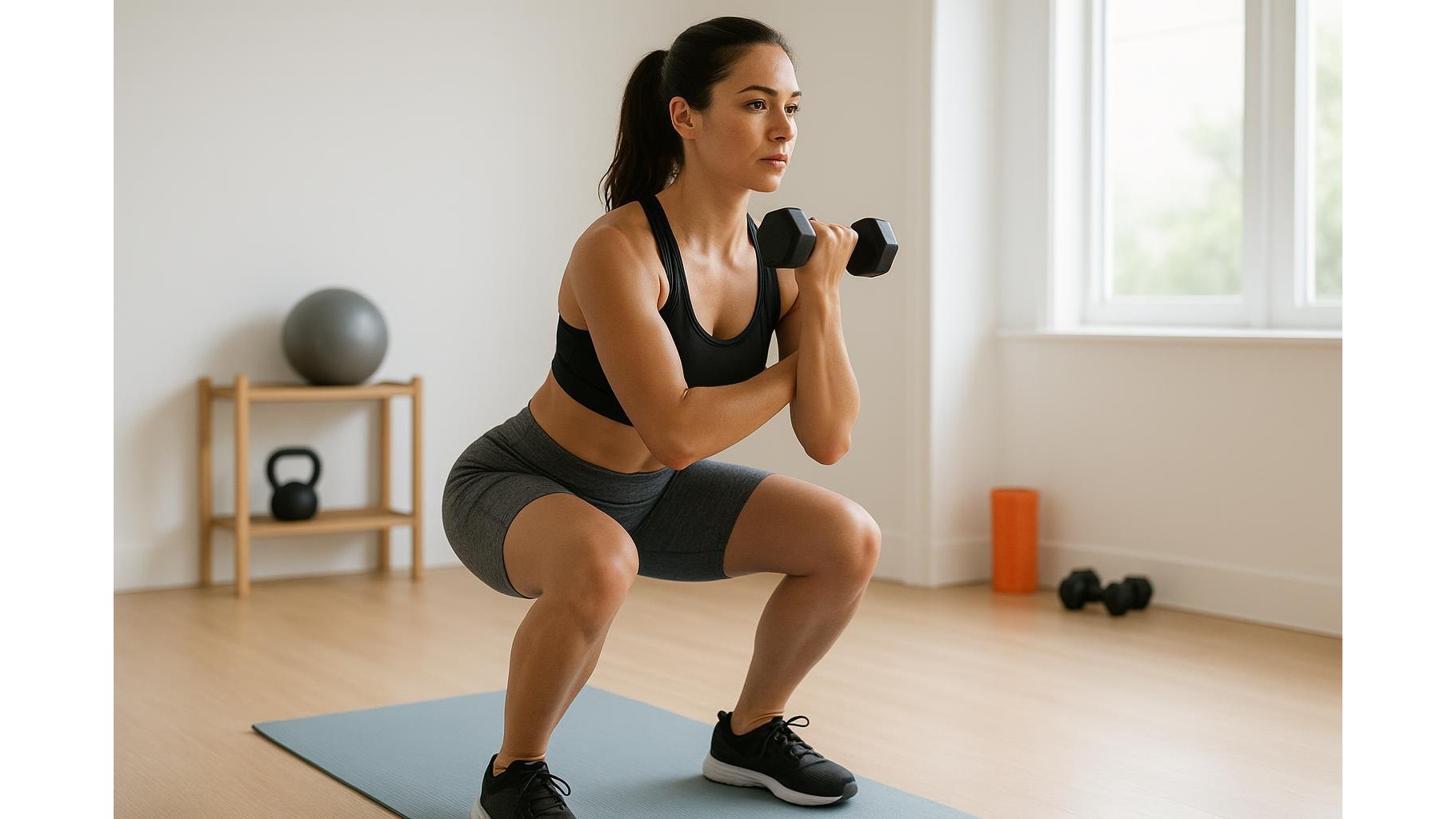
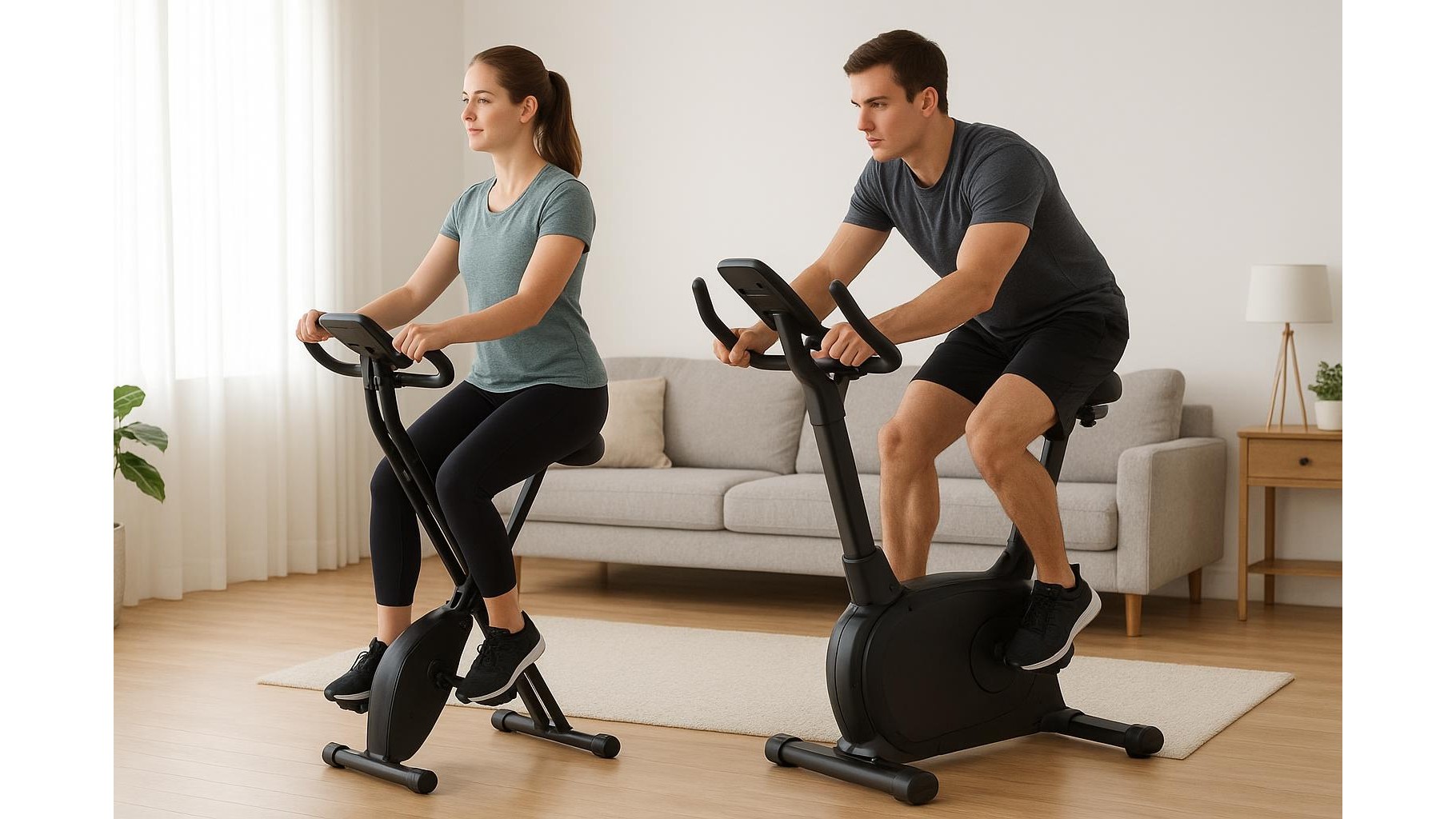
The most important decision factor is training intensity and duration. For short strength sessions (under 45 minutes), bodyweight circuits or technique practice, plain water or a zero-calorie electrolyte powder is usually sufficient, especially if you’ve eaten within the last 2–3 hours. For moderate sessions lasting 45–75 minutes, such as kettlebell complexes or interval running on a treadmill, a small amount of carbs in your drink can support performance if you train fasted or later in the day. Once you move into high-intensity or endurance work over 75–90 minutes—for example indoor cycling, rowing or long home HIIT blocks—a carb-electrolyte mix becomes more beneficial to maintain output, protect against fatigue and reduce the urge to overeat immediately post-workout.
How to use both in a weekly home training plan
An effective strategy for home training is to periodise hydration just like you periodise workouts. On light or recovery days, rely mainly on water plus a zero-calorie electrolyte mix to support hydration without extra energy. On moderate training days, consider adding a small serving of a carb-based powder if you exercise while fasted or stack two sessions close together. Reserve full servings of carbohydrate-electrolyte drinks for your longest or hardest days, such as weekend endurance sessions or heavy full-body strength plus conditioning. This approach helps you stay hydrated, keep performance high when it matters, and avoid unnecessary sugar intake when it doesn’t.
Key ingredients and what to watch out for
When choosing a hydration powder for home workouts, pay attention to the label. For carb mixes, look for a clear amount of carbohydrate per serving (usually 20–30g for longer sessions) and adequate sodium (around 300–600mg) to replace what you lose in sweat. For zero-calorie options, check that sodium and potassium are present in meaningful amounts, not just trace levels. In both cases, consider your tolerance to sweeteners and flavours: some athletes prefer natural sweeteners, while others do fine with artificial ones. Avoid products overloaded with unnecessary fillers, excessive caffeine or very high doses of artificial colours, which add little to performance and may cause digestive discomfort during intense home sessions.
Choosing between hydration powders with carbs vs without doesn’t have to be complicated. Use carb-electrolyte drinks on your longest or most intense home training days, where extra fuel and faster recovery truly matter. On lighter days, or when you are focused on managing bodyweight and appetite, lean on zero-calorie electrolyte mixes to maintain fluid balance without added energy. By matching your drink to the session, you support performance, protect your health, and make your home gym routine more sustainable in the long term.