For busy home athletes, a scoop of greens powder can look like the perfect shortcut: one shake, all your veggies, job done. But powdered greens are not magic salad dust. They can plug specific gaps in your diet and support health, yet they also have clear limits compared with a plate of real vegetables. Understanding what is actually inside the tub, which claims have scientific support, and how to use greens wisely will help you decide whether they deserve a place in your home gym nutrition routine.
What’s really in a typical greens powder?
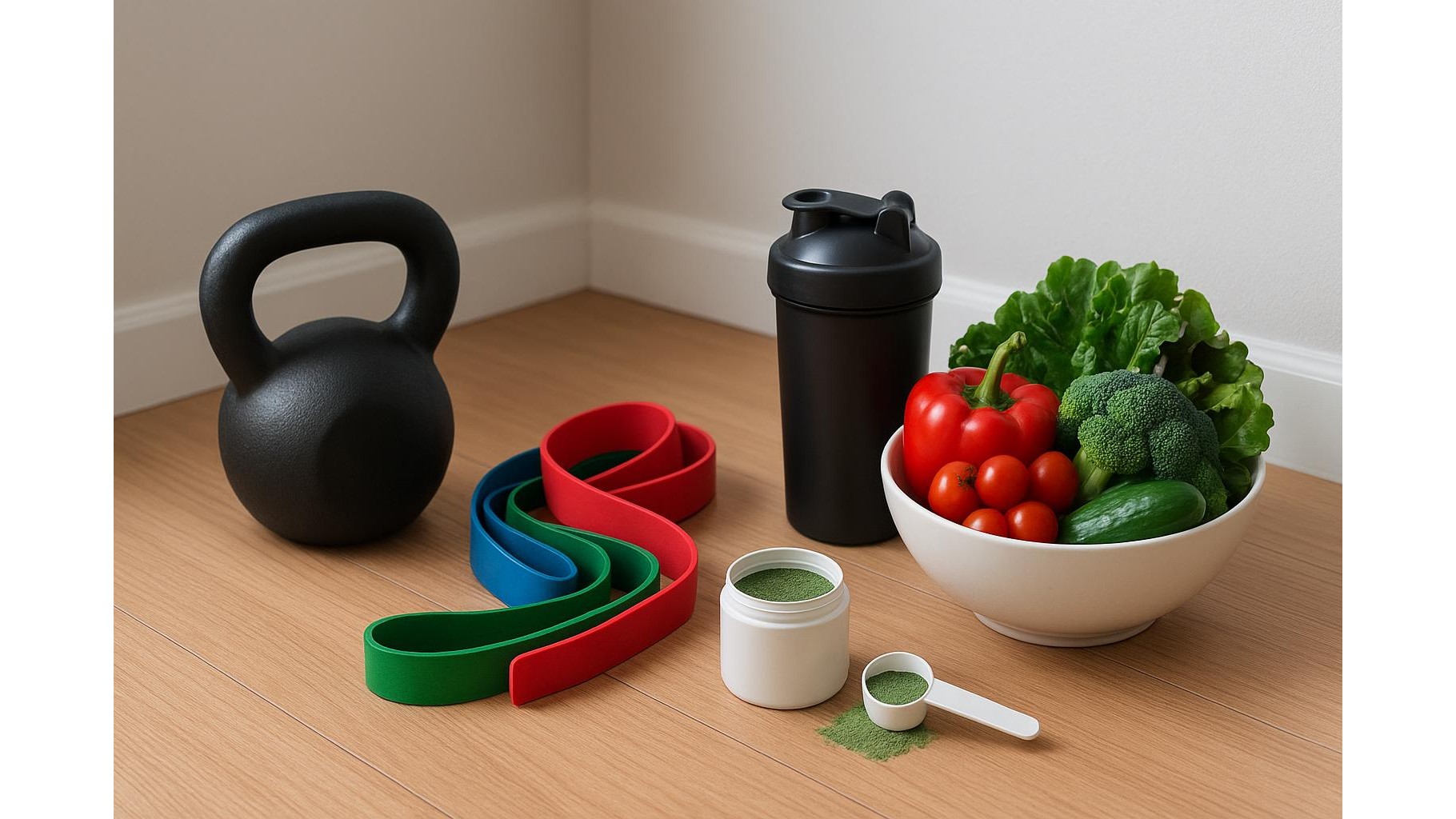
Most greens supplements combine dried and powdered plant ingredients: spinach, kale, broccoli, wheatgrass, spirulina, chlorella, plus fruit powders, herbs, digestive enzymes and added vitamins or minerals. Because everything is concentrated, a single scoop can provide a broad mix of phytonutrients, some antioxidants, and a modest bump in micronutrients like vitamin C, folate or magnesium. However, that scoop is usually low in fibre and often underdosed compared with whole vegetables. Many blends also include flavouring and sweeteners to mask the earthy taste. Think of greens powder as a dense, convenient plant extract, not a one-to-one replacement for a big bowl of mixed veg.
When greens powder can help a home athlete
For some lifters and endurance trainees, a well-formulated greens product can be a useful tool. If you routinely miss the recommended “five-a-day”, travel frequently, or train early and tend to skip vegetables at breakfast and lunch, a daily scoop may help reduce small micronutrient gaps and support overall recovery. The antioxidant and polyphenol content of greens may counter some exercise-induced oxidative stress, especially during intense training blocks. They are also convenient during cutting phases when total calories are low and appetite is suppressed. Crucially, the benefit is biggest when your baseline diet is poor; if you already eat plenty of colourful plants, the extra from a powder is more like an insurance policy than a game changer.
Why real vegetables still win most of the time
Despite the marketing, real vegetables outperform powders for most health and performance goals. Whole veg provide substantial dietary fibre, which supports gut health, appetite control and stable energy – all vital for consistent training. Chewing solid food also promotes satiety in a way that a quick drink does not. The structure of intact plants slows digestion and absorption, affecting blood sugar and insulin in ways that powdered blends cannot replicate. Many bioactive compounds in vegetables interact together in complex ways that are hard to mimic in a scoop. For home athletes who can plan their meals, building plates around a variety of fresh, frozen and even canned vegetables will usually have a bigger impact on long-term health and training capacity than any supplement.
How to time and dose greens without upsetting your stomach
If you decide to add a greens powder, start simple. Use the lowest recommended dose, often half a scoop, for a week to assess tolerance. The combination of concentrated plant extracts, sweeteners and added digestive enzymes can cause bloating, gas or loose stools in some people, especially when taken on an empty stomach. A practical approach for home athletes is to mix your greens with water and have them with a meal that is low in other supplements – for example, at breakfast rather than next to a pre-workout stack. There is no strong evidence that precise timing around workouts matters for greens, so prioritise comfort and consistency. If you notice persistent GI issues or headaches, pause use and reconsider whether the product is worth continuing.
Smart shopping and when to skip greens powders
Marketing around superfood greens is aggressive, but you can cut through the noise with a few rules. Choose products that provide transparent, per-ingredient amounts instead of hiding everything in a proprietary blend. Look for third-party testing for quality and contaminants, and avoid overblown claims about “detox” or instant performance boosts. If your budget is tight, you will almost always get more value from buying frozen mixed vegetables, fruit, and perhaps a basic multivitamin than from an expensive tub. Home athletes who already eat 5–10 servings of plants daily, have no major dietary restrictions and feel good in training can confidently skip greens powders. They are a convenience tool, not a requirement for strength, muscle gain or endurance.
In summary, greens powders can be a helpful supplement for home athletes who struggle with vegetable intake or need a back-up option during busy periods, travel or aggressive dieting. Yet they fall short of the benefits provided by a diet rich in whole vegetables, fruit, pulses and whole grains. Before reaching for a tub, audit your current eating habits and see where you can add real plants first. If you still choose to use greens, treat them as a targeted add-on, start with modest doses, and monitor how you feel. A smart home gym nutrition plan is built on whole foods, consistent habits and appropriate calories – with powders, at best, filling in the remaining gaps.