When you train at home, it’s tempting to jump straight to supplements. But if your daily diet is not built around whole-food protein, even the best whey won’t fix slow progress, poor recovery, or constant hunger. Building a protein-centered day at home means structuring breakfast, lunch, dinner and snacks so that high-quality food does most of the work. Only then does a protein powder become a smart, convenient add-on instead of a crutch.
Start with a protein-anchored breakfast
A strong home-training day starts with a high-protein breakfast. Aim for roughly a palm-sized serving of protein (20–30 g for most people). Easy options include scrambled eggs with egg whites on wholegrain toast, Greek yogurt with berries and oats, or cottage cheese with fruit and a drizzle of honey. If you are short on time, you can blend Greek yogurt, frozen berries, oats and milk into a thick smoothie. The goal is simple: never let breakfast be just carbs. Adding a solid source of complete protein stabilises energy, controls appetite, and sets the tone for better choices the rest of the day.
[p=iol_placeholder type=”cta” id=”telegram”/]
Build satisfying, protein-heavy lunches at home
For lunch, think in terms of simple templates rather than recipes. A reliable formula is: protein + high-fibre carbs + colour (vegetables). For example, grilled chicken breast with microwave rice and mixed frozen veg; tuna or salmon on wholemeal bread with a side salad; or lentil and chickpea stew with extra Greek yogurt stirred in for creaminess. Aim again for about a palm-sized serving of lean protein, a cupped hand of whole grains or starchy veg, and at least a fist of vegetables. These simple portion rules keep you full without counting every gram, which is ideal when you’re juggling work, family and home workouts.
Plan an evening meal that supports recovery
Dinner is your chance to lock in muscle recovery and avoid late-night snacking. Prioritise slower-digesting protein like lean beef, turkey, eggs or tofu, served with high-fibre carbs and plenty of veg. A stir-fry with tofu and mixed vegetables over brown rice, turkey chilli with beans, or baked salmon with potatoes and greens all work well. If you train in the evening, eating within a couple of hours of finishing your session helps provide amino acids when your muscles are most receptive. Keep fats moderate and avoid heavy, greasy meals that interfere with sleep, because poor sleep can undermine your progress more than missing a single workout.
Use protein snacks strategically instead of mindlessly
Snacks are where many home trainees drift into low-protein grazing. Instead, build in 1–2 high-protein snacks between meals. Good options include a small tub of Greek yogurt, a handful of nuts plus a cheese stick, sliced turkey rolled around carrot sticks, or hummus with wholegrain crackers. The idea is to plug long gaps between meals so that you hit your daily protein target (roughly 1.6–2.2 g per kg of bodyweight for most lifters) without ending up ravenous at night. Structured, protein-focused snacking also helps manage cravings and gives you steady energy for your next home workout.
When a whey protein shake finally makes sense
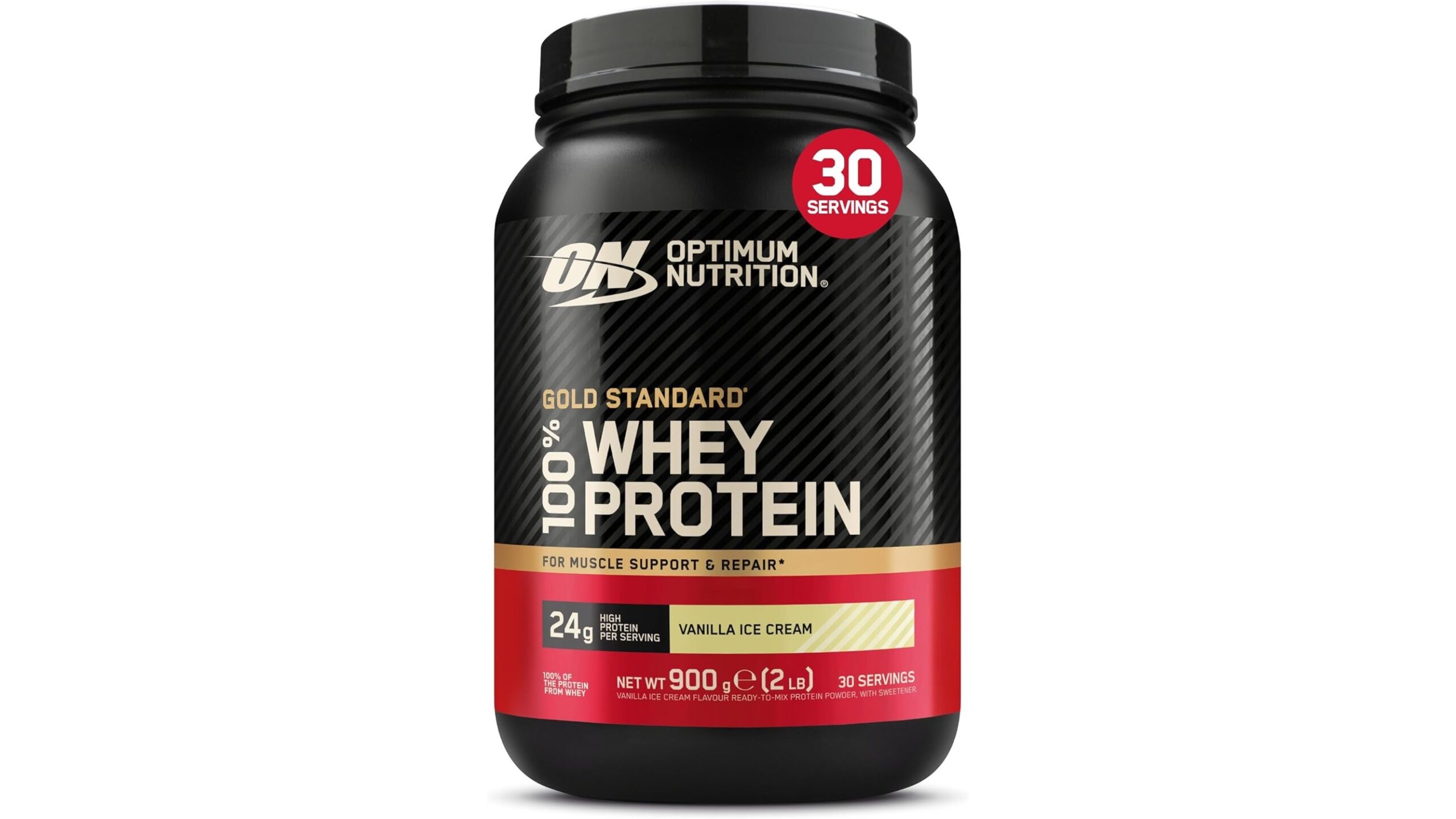
Once your meals are dialled in, a quality whey protein can genuinely help you close the gap to your daily target and support recovery on busy days. A well-regarded option is Optimum Nutrition Gold Standard 100% Whey, Vanilla Ice Cream. Each serving provides around 24 g of fast-absorbing protein, with naturally occurring BCAAs and glutamine, while being low in sugar and fat. You can mix one scoop in water or milk in seconds, or blend it into oats or smoothies when you need extra protein but don’t have time to cook. Used this way—on top of, not instead of, whole foods—a shake becomes a practical tool to make a food-first, protein-centered day easier to sustain over the long term.
Focusing on protein-rich whole foods at every meal transforms your home training results more than any supplement alone ever will. Anchor breakfast, lunch, dinner and snacks around complete protein sources, use simple hand-based portions to guide you, and only then add a convenient whey shake, such as Optimum Nutrition Gold Standard 100% Whey, when you truly need it. This food-first approach keeps your nutrition simple, sustainable and aligned with your home gym goals.