
When you train in your home gym for just 20–40 minutes, it is easy to overthink hydration. Beyond simple plain water, low‑calorie or electrolyte‑free hydration tablets promise tastier drinks and “better” fluid intake. For short, moderate sessions, though, what actually makes sense? This article looks at the science of fluid balance and uses a real‑world product example to help you decide what to sip during quick home workouts.
Hydration needs during short home workouts
For most people, brief, moderate home sessions (like 20–30 minutes of dumbbell circuits, indoor cycling, or bodyweight training) do not create massive sweat losses. In these conditions, your main goal is fluid replacement, not heavy electrolyte replenishment or high energy intake. Sports science guidelines generally suggest that water alone is sufficient when exercise is under an hour, intensity is moderate, and the environment is not extremely hot or humid. Your total daily fluid intake (from drinks and food) matters more than hyper‑specialized drinks for a single short session. That said, taste and drinking behaviour also count: if you enjoy your drink more, you may actually hydrate more consistently across the day.
What “electrolyte‑free” or low‑electrolyte tablets really do
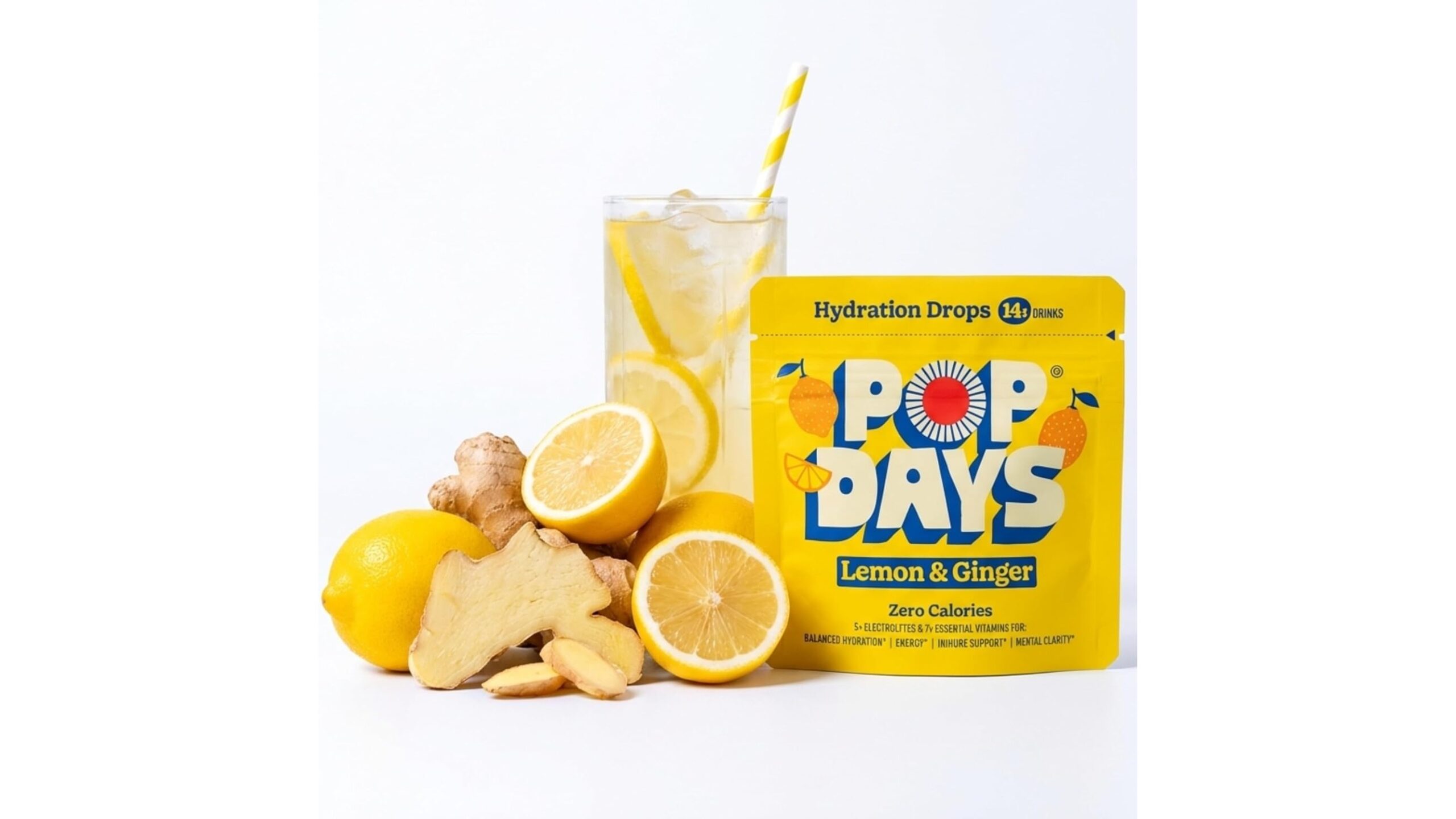
Many modern hydration tablets marketed as light, wellness‑style drinks keep electrolytes and calories very low, focusing instead on flavour and vitamins. Consider POPDAYS hydration tablets Lemon & Ginger Water Flavouring, a zero‑sugar product that adds a gentle taste plus vitamins B, C and D. Although POPDAYS includes minerals such as magnesium, calcium and zinc, its role is more about general micronutrient support and drink enjoyment than aggressive salt replacement. You dissolve one effervescent tablet in 300–500 ml of water, wait a few minutes, and end up with a light, flavoured drink that can make it easier to drink enough without extra sugar or significant calories.
Plain water: still the baseline for short sessions
From a strictly scientific standpoint, plain water remains the reference choice for short, moderate home workouts. Your body’s immediate needs are simply to prevent excessive dehydration; you rarely lose enough sodium or other electrolytes in 20–40 minutes to require targeted replacement, unless you are training in extreme heat or you are an unusually salty sweater. Water is cheap, accessible and easy on the stomach. If you start your workout already hydrated and you are not restricting food or salt intake, there is typically no performance advantage to adding tablets for this kind of session. Most people can maintain fluid balance by drinking to thirst before and after training.
When a light hydration tablet makes sense
Despite water being enough physiologically, low‑calorie tablets like POPDAYS hydration tablets Lemon & Ginger Water Flavouring can still be useful in a home gym context. The subtle lemon & ginger flavour can encourage those who dislike plain water to drink a full glass before or after their workout. The zero‑sugar, zero‑calorie profile supports users who are managing energy intake or training fasted, while added vitamins B, C and D and minerals such as magnesium and zinc contribute to normal energy metabolism and immune function over time. For people transitioning from sugary soft drinks to healthier habits, such tablets can act as a bridge: you still enjoy a tasty drink, but without the sugar hit that works against body‑composition goals.
Practical tips to choose between water and tablets
To decide what to drink, start from your training duration and goal. For most short home workouts under 45 minutes, especially strength circuits or moderate cardio, drink plain water according to thirst and focus on consistent hydration across the day. Consider a low‑calorie, light‑electrolyte option such as POPDAYS hydration tablets Lemon & Ginger Water Flavouring if flavour helps you drink more, you want to avoid sugar, or you like an easy way to include extra vitamins. Reserve higher‑electrolyte sports drinks for longer or hotter sessions with heavy sweating. Ultimately, the best choice is the one you will actually use consistently, fits your nutrition plan and supports your performance and recovery.
For short home workouts, plain water is usually all your body truly needs, while low‑calorie hydration tablets serve mainly as a convenient, tasty upgrade that can improve drinking habits without adding sugar. Understand your sweat rate, training intensity and preferences, and then use simple water as your foundation, with flavoured tablets like POPDAYS as a flexible tool rather than a necessity.









