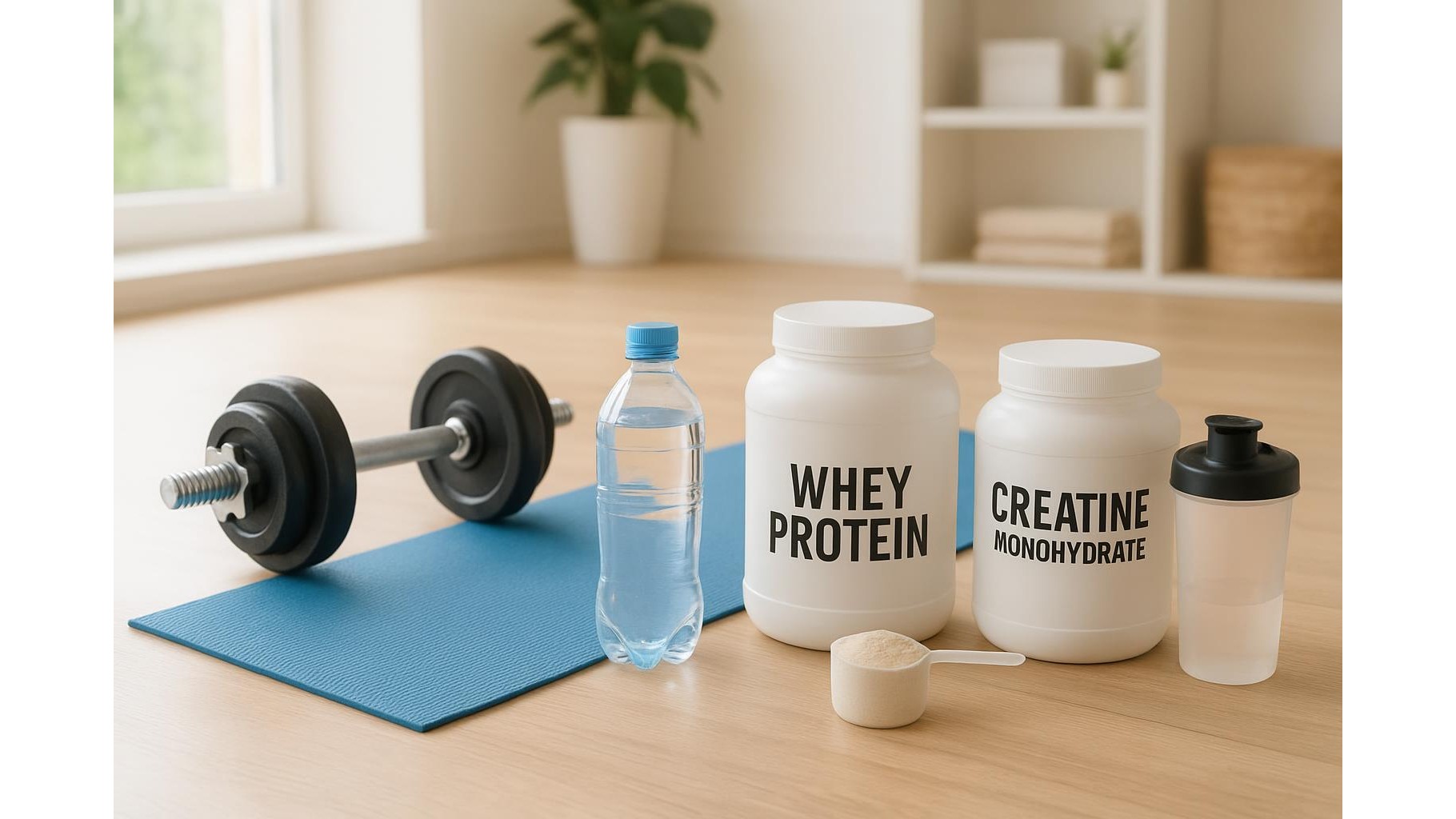
Building a consistent home workout habit is easier when your basic nutrition and supplement routine is on autopilot. Instead of chasing every new product, you can get most of the benefits for performance and recovery by smartly using just three categories: electrolytes, protein and creatine. Below you will find a simple, beginner‑friendly way to structure them across your day without overthinking, plus practical examples you can adapt to your schedule.
Why electrolytes, protein and creatine are a powerful home combo
For home training, you want supplements that are low effort, high impact and easy to repeat every day. Electrolytes support hydration, muscle function and help prevent cramps, especially if you train in a warm room or sweat a lot. Protein provides the building blocks (amino acids) your muscles need to repair and grow after resistance training or high‑intensity circuits. Creatine monohydrate increases your short‑burst power, helps you squeeze out a few extra reps at home and supports long‑term strength and muscle gains. Together, these three cover hydration, performance and recovery with minimal complexity, making them ideal for a sustainable home gym routine.
A simple hydration routine with electrolytes
Instead of drinking only plain water around your home workouts, adding an electrolyte mix once a day can make hydration more effective. A practical approach is to drink 500–750 ml of water with electrolytes about 30–45 minutes before training or sipped during your session. Look for a low‑sugar, powdered product that provides a balance of sodium, potassium and magnesium so you can easily adjust the strength by changing the scoop size or water volume. Keep it simple: one serving on training days, and optionally half a serving on hotter rest days if you tend to feel tired or crampy.
How to time and use protein for home workouts
You do not need complicated timing rules for protein; what matters most is hitting your daily intake and spreading it across meals. A good target for active people is roughly 1.6–2.2 g of protein per kg of bodyweight per day. If your normal meals are low in protein, a scoop of whey protein (around 20–25 g protein) is a simple way to close the gap. You can drink it within a 2‑hour window either before or after your home workout, or even between meals to boost total intake. Mixing the powder with water keeps calories low, while blending it with milk or a milk alternative creates a more filling shake when you also want a snack.
Creatine: the easiest supplement to add
Creatine monohydrate is one of the most studied and reliable supplements for strength and muscle performance, and it is surprisingly easy to use. For most people, a daily dose of 3–5 g (about one small scoop or a level teaspoon of powder) is enough; you do not need a loading phase. Timing is flexible: you can take creatine at any time of day, with or without food. Many home lifters simply mix it into their protein shake or stir it into a glass of water or juice. The key is consistency—take it every day, including rest days, and after 3–4 weeks you should notice better work capacity and less drop‑off in performance set to set.
Putting it all together: a no‑stress daily plan
Here is a realistic example of how to combine electrolytes, protein and creatine into a single daily routine. Morning: drink water as usual and eat a balanced meal with some protein (eggs, Greek yogurt, cottage cheese or leftovers). Late afternoon or evening, about 30 minutes before your home workout, prepare 500–750 ml of water with one serving of electrolytes and sip it before and during your session. After training, have a protein‑rich meal; if that is not possible, use one scoop of whey protein mixed with water or milk. At any consistent time of day (for example with your first or last meal), take 3–5 g of creatine monohydrate. This entire routine takes only a few minutes, requires almost no decision‑making and is easy to follow long term.
By focusing on just three evidence‑based supplements—electrolytes for hydration, protein for muscle repair and creatine for strength—you can support your home workouts without turning nutrition into a full‑time job. Start with a simple daily plan, observe how your energy, performance and recovery feel over 3–4 weeks, and then adjust serving sizes or timing if needed. Keeping your supplement stack minimal and consistent will free up mental bandwidth so you can concentrate on what matters most: progressively challenging your body, enjoying your training and building a stronger, healthier version of yourself at home.