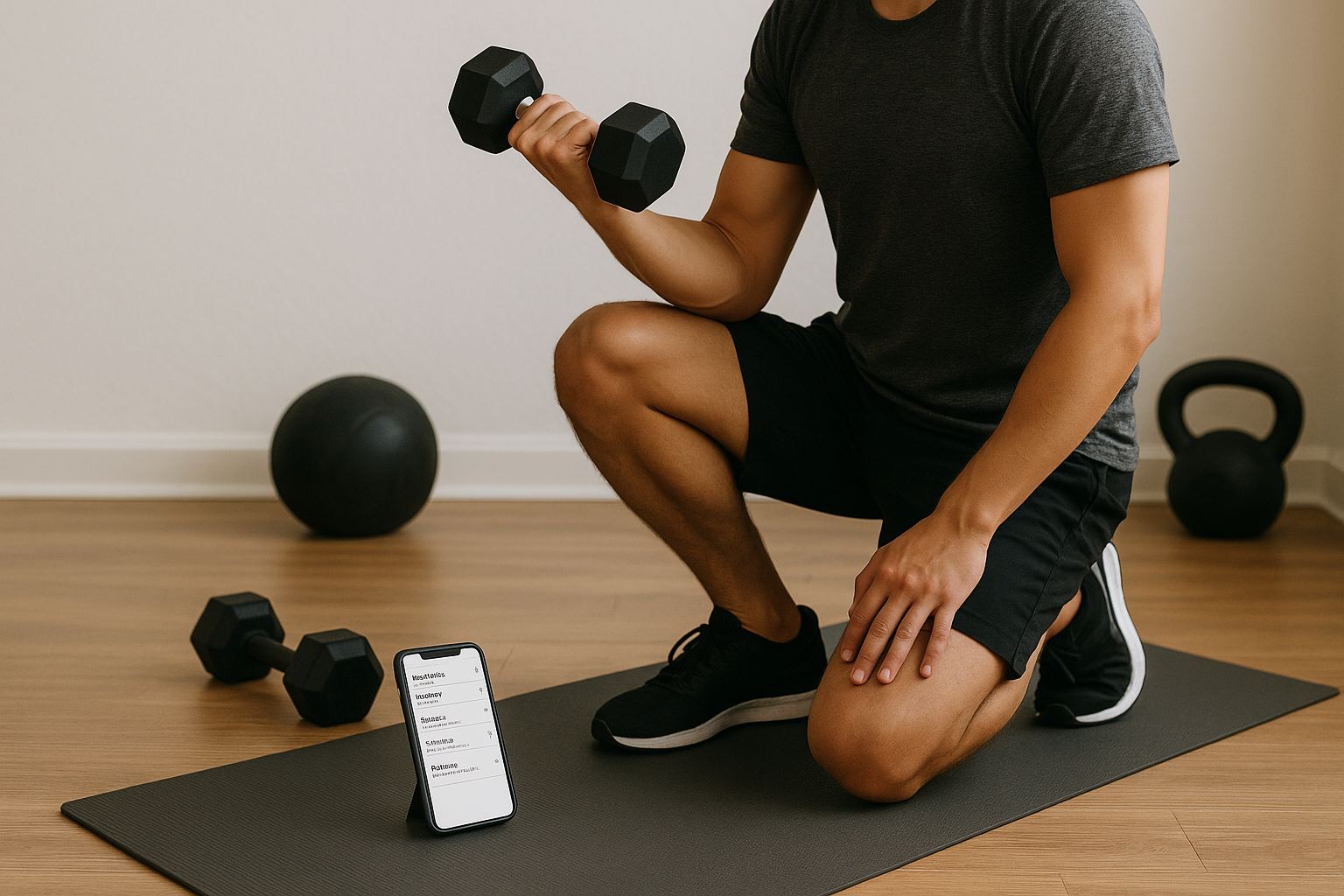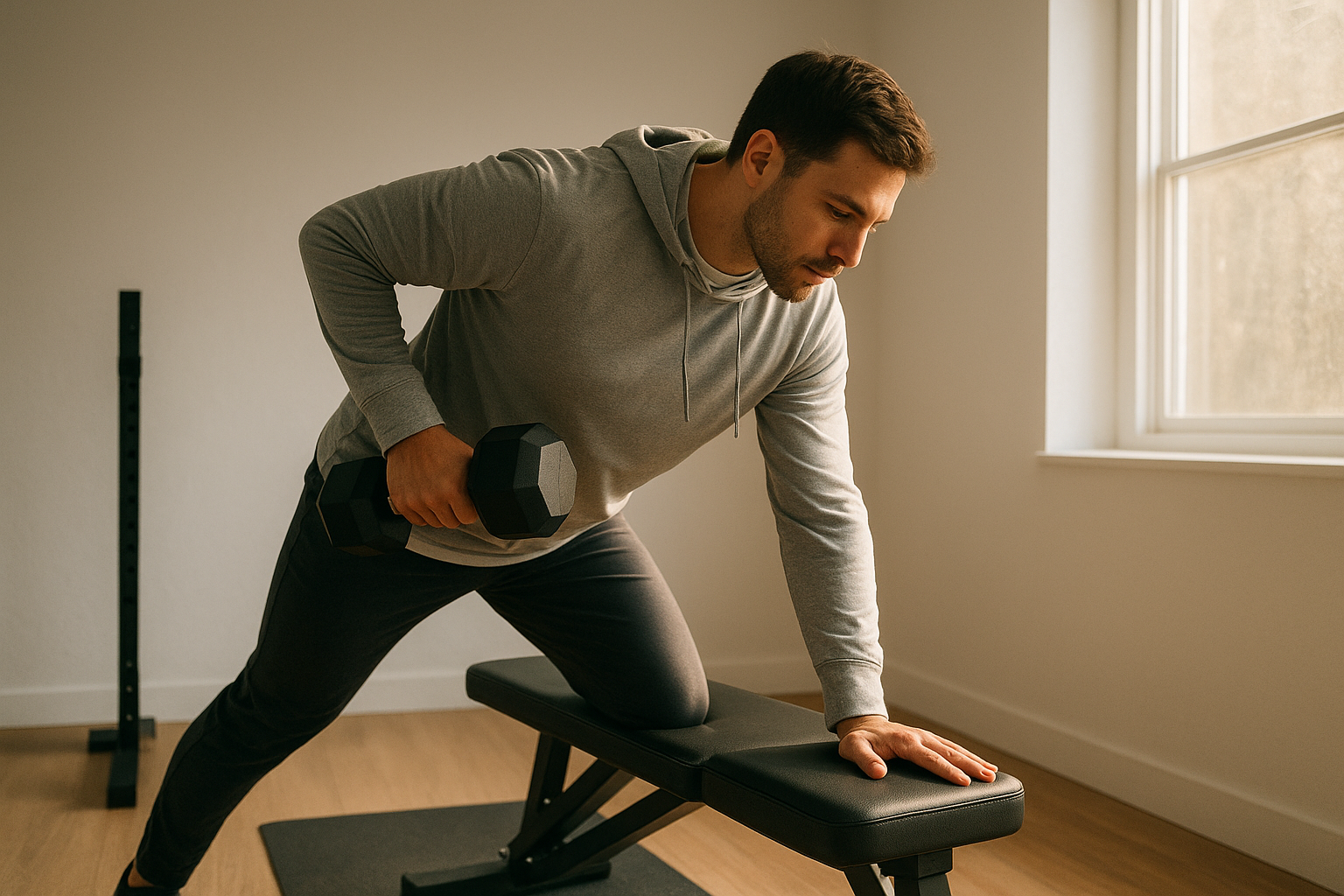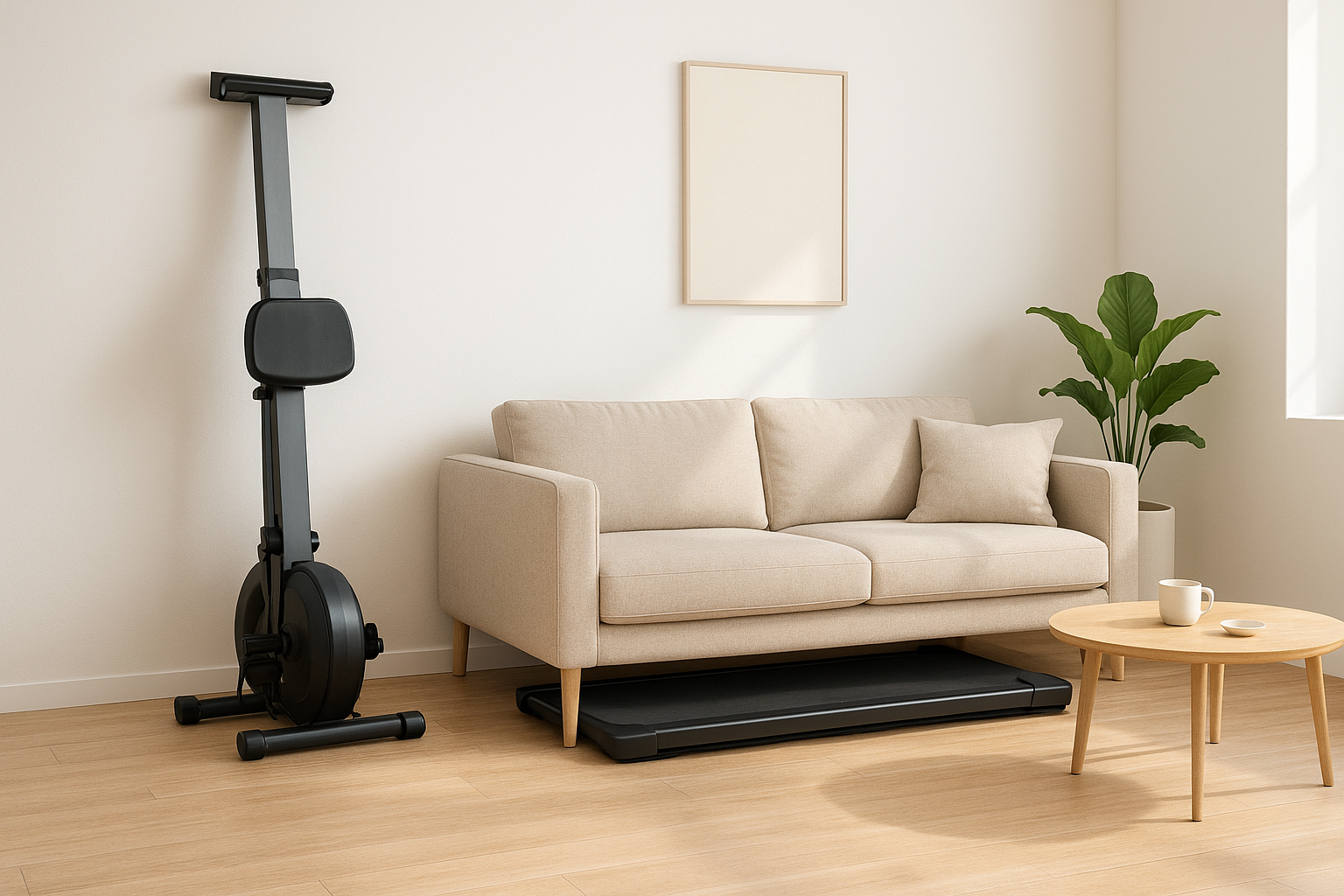
Training at home with limited equipment can still be intense enough to drain your body of more than just water. During longer or high‑sweat sessions, you also lose key electrolytes such as sodium, potassium and magnesium. When these minerals drop too low, you may feel heavy-legged, dizzy or struggle to maintain power. Understanding when plain water is not enough – and how to top up electrolytes smartly – helps you get more from every home workout without overdoing sugar or unnecessary additives.
Table of contents
When home workouts really need electrolyte support
Not every short mobility routine calls for a sports drink. However, if you are doing high‑intensity home workouts (HIIT circuits, kettlebell complexes, indoor cycling, treadmill or rowing) for more than about 60 minutes, especially in a warm room, plain water may fall short. Heavy sweaters, people with naturally low blood pressure, or anyone training twice a day are more likely to benefit from targeted electrolyte support. Signs you may need more than water include frequent muscle cramps, headaches after training, feeling lightheaded on standing, or very salty sweat marks on clothing. In these situations, adding a balanced electrolyte source can restore fluid balance and help maintain performance.
Key minerals to look for in an electrolyte drink
When choosing an electrolyte product, focus on the actual minerals rather than flashy flavours. The most important is sodium, which helps your body retain fluid and supports nerve and muscle function. Potassium works alongside sodium to regulate muscle contractions and heart rhythm, while magnesium contributes to energy production and can help reduce exercise-related muscle cramps. A good formula also includes smaller amounts of calcium. Look for products that clearly state the milligrams of each mineral per serving and avoid those that only list a “proprietary blend” without real numbers. For typical home training, you generally do not need mega‑doses; a balanced, moderate electrolyte profile is enough for most people.
How to avoid a sugar overload in electrolyte drinks
Many classic sports drinks pack as much sugar as soft drinks, which is unnecessary for most home gym sessions and can sabotage body‑composition goals. While a little carbohydrate can support very long or very intense training, most people doing 30–75 minute workouts at home are better served by low‑sugar electrolyte powders or tablets. Read labels carefully: check the grams of sugar per serving, and be aware that some brands use multiple types of sugar to disguise the total. Prefer products that are either sugar‑free or use only a small amount of sugar or natural sweeteners, and mix them with plenty of water. This way you support hydration and electrolyte balance without unnecessary calories or blood‑sugar spikes.
DIY electrolyte options using kitchen ingredients
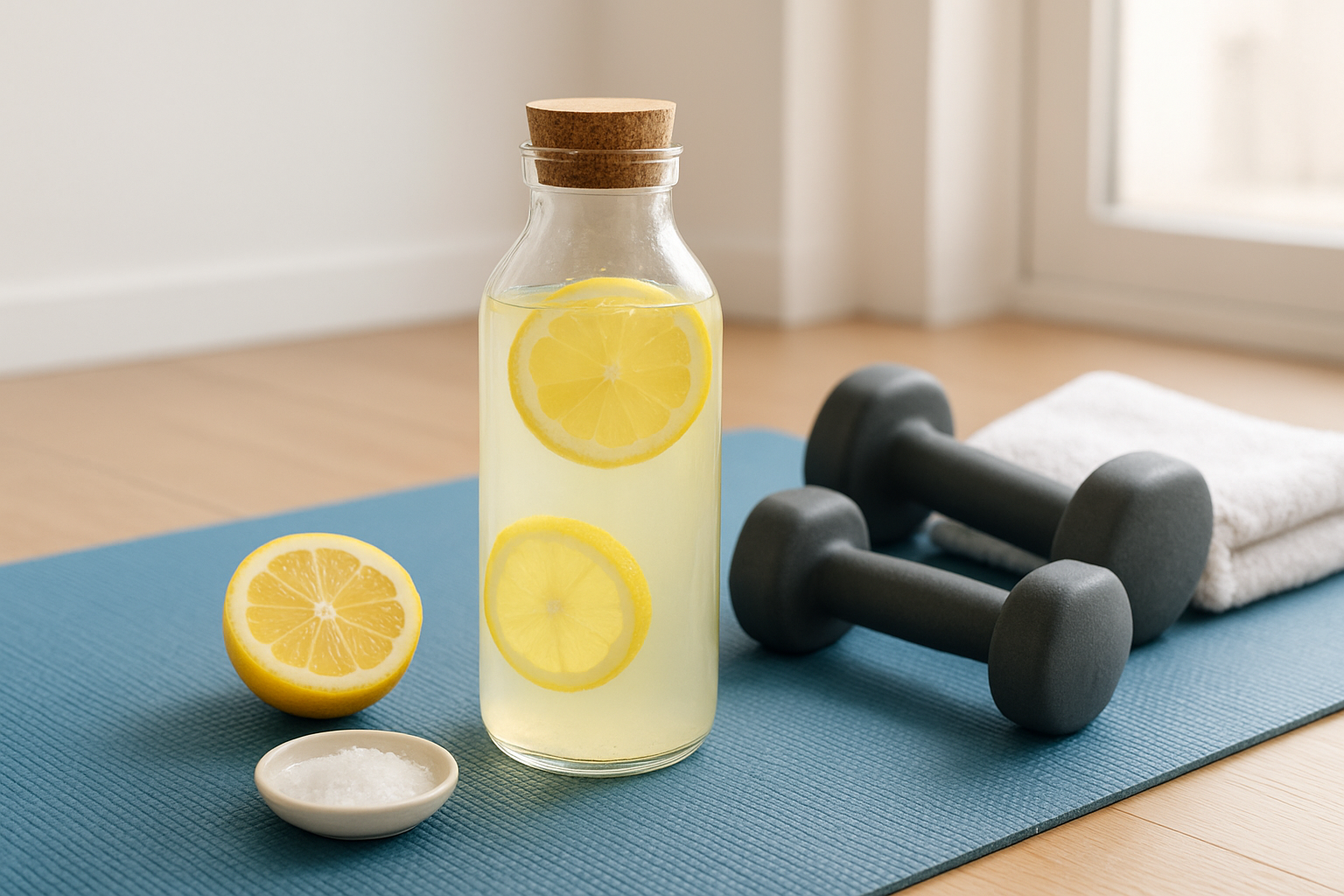
If you do not want to rely on packaged products, it is easy to make your own DIY electrolyte drink with common kitchen staples. Start with about 500–700 ml of water, add a small pinch of sea salt or Himalayan salt (for sodium and trace minerals), squeeze in half a lemon or lime for potassium and flavour, and optionally include a teaspoon of honey or maple syrup if your session is long and demanding. You can also add a splash of 100% fruit juice, like orange, to boost taste and potassium without turning it into a sugar bomb. Stir well, chill if you prefer it cold, and sip gradually during and after your home workout. This simple recipe gives you balanced hydration without artificial colours or excessive sweetness.
Practical tips for smart electrolyte use at home
To use electrolytes effectively in your home training routine, match your intake to your actual sweat losses and session length. For light strength or mobility work under 45 minutes, water is usually enough. For moderate to hard sessions around an hour, consider adding electrolytes – either a low‑sugar product or a homemade mix – especially if your workout space is warm. During very long or back‑to‑back sessions, alternate plain water with an electrolyte drink to avoid both dehydration and excessive sodium. Pay attention to how you feel: reduced cramping, steadier energy and clearer focus are good signs you have found the right balance. Combine this with normal, mineral‑rich meals and you will rarely need extreme supplementation.
In summary, plain water covers most easy or short home workouts, but intense, sweaty or prolonged sessions may call for extra electrolytes to support performance and recovery. By focusing on the key minerals sodium, potassium and magnesium, avoiding unnecessary sugar, and experimenting with simple DIY recipes, you can tailor hydration to your personal training style. Smart electrolyte use turns your living room, garage or spare room into a more effective environment for safe, sustainable fitness gains.