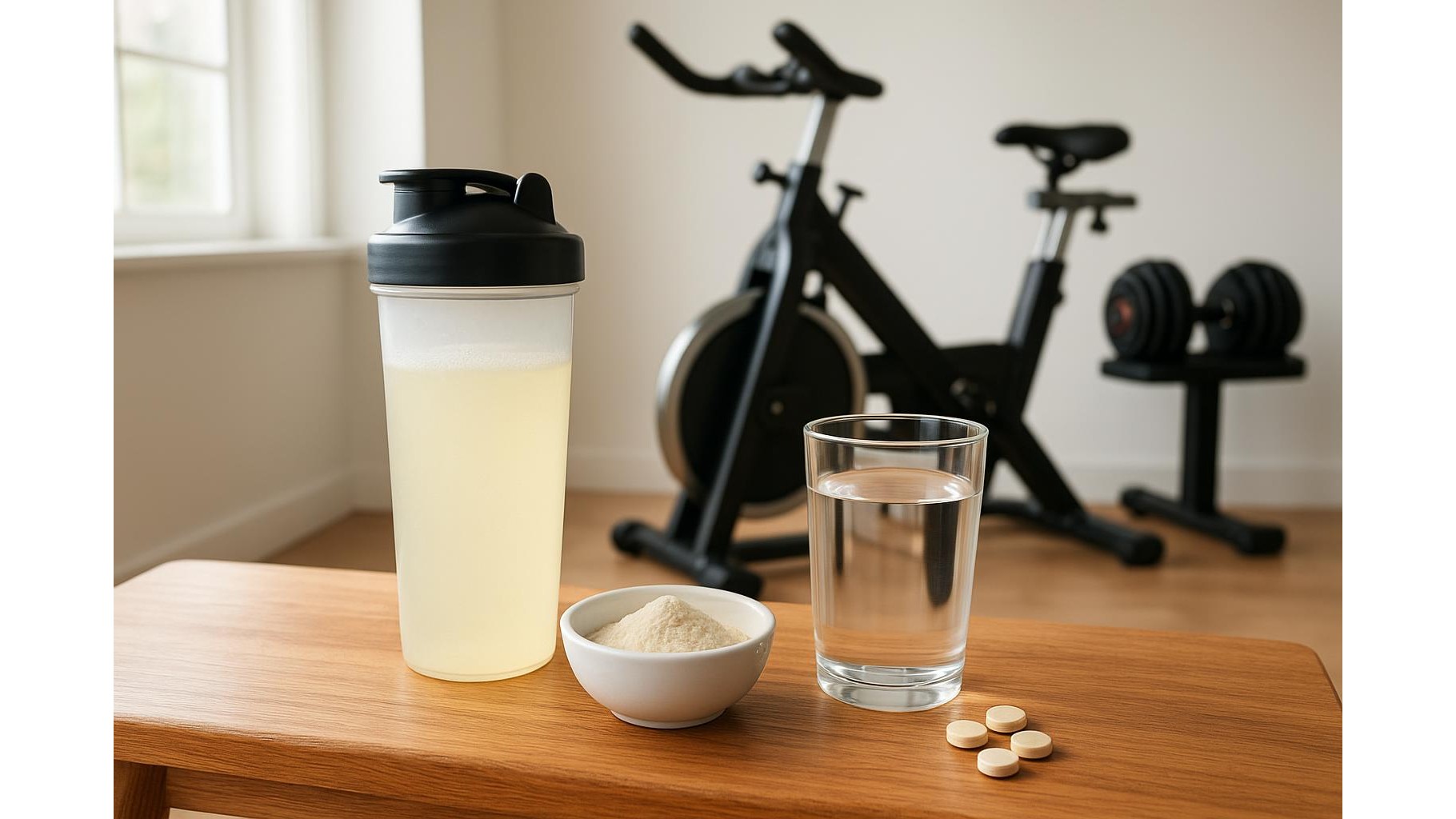
Long home workouts put real pressure on your body’s hydration, energy and focus. You do not need an advanced supplement stack to cope, but you do need a simple, repeatable plan. By combining basic electrolytes, carbohydrate drinks and caffeine in the right way, you can sustain performance without unnecessary overlap, side effects or wasted money. This guide offers a clear framework you can adapt to your own sessions in the home gym, from long cardio blocks to high‑volume strength training.
Why electrolytes, carbs and caffeine matter in long sessions
During any workout over about 60–75 minutes, three things start to matter much more: maintaining fluid balance, keeping blood glucose stable and supporting mental alertness. Electrolytes like sodium, potassium and magnesium help you retain and use water effectively, reducing the risk of cramping and the “heavy” feeling that comes with plain water overload. Carbohydrates in drink form provide a steady fuel source that delays fatigue, especially in long, steady efforts such as cycling, rowing or circuit training. Caffeine, used correctly, sharpens focus, reduces perceived effort and can help you push through the final third of a tough home workout where motivation usually dips.
How to structure your basic supplement stack
Think in three time windows: pre‑workout, during and post‑workout. For most healthy adults training 90–150 minutes, a practical plan is: 30–45 minutes before you start, take a moderate dose of caffeine (around 2–3 mg per kg of body weight) with some water and a light snack that includes carbs. As you train, sip a drink that combines electrolytes and around 20–40 g of carbohydrates per hour, adjusting the strength based on how much you sweat and whether the session is more strength or endurance focused. After you finish, switch back to plain water, whole‑food carbs and some protein. You generally do not need more caffeine post‑workout, and you can keep electrolytes for particularly hot days or double sessions rather than every single workout.
Who benefits the most—and who should be cautious
This kind of stack is most useful if you do long endurance cardio (indoor cycling, treadmill, rower), mixed metcon circuits, or high‑volume strength training with short rests. It also helps if your home gym is in a hot loft, garage or small room with poor airflow, where you sweat heavily. However, some people should be cautious. Anyone with heart conditions, high blood pressure, kidney issues or known sensitivity to caffeine should talk to a healthcare professional before using stimulants or high‑sodium electrolytes. If you train late in the day, heavy caffeine use can disrupt sleep, which will blunt recovery even if the session felt great. For beginners, it is often wise to first dial in basic nutrition, hydration and sleep before leaning on supplements.
Avoiding overlap, side effects and common mistakes
Many home gym athletes accidentally double or triple their intake because they combine several pre‑workouts, energy drinks and electrolyte mixes. To avoid this, always check the labels and simplify: use either a plain electrolyte powder with a separate carb source, or a single carb‑electrolyte drink and then add caffeine only if the product does not already include it. Limit total daily caffeine to roughly 400 mg or less, and avoid large doses within 6–8 hours of bedtime. Start with the lower end of dosing ranges to test tolerance; headaches, jitteriness, racing heart or stomach upset are signs you may be overdoing stimulants or concentrating your drinks too strongly. Remember that simple table salt in meals and adequate water often cover much of your baseline electrolyte needs.
Practical home‑gym scenarios and adjustments
For a 90‑minute indoor cycling session, you might take a moderate caffeine dose before, then sip a light electrolyte‑carb drink throughout, aiming for steady intake rather than big gulps. For a long strength or hypertrophy workout, you can go lighter on carbs and focus more on electrolytes and small water sips between sets to avoid bloating. If you repeat shorter sessions in one day, consider using caffeine only for the hardest block, relying on electrolytes and food for the others. On recovery days, skip caffeine “for performance” altogether and just drink to thirst, using low‑dose electrolytes only if the climate is very hot. The goal is to build a flexible, minimalist supplement routine that fits naturally around your training, rather than turning every home workout into a complicated protocol.
Used with intention, a simple combination of electrolytes, carb drinks and caffeine can turn long home workouts from draining slogs into sustainable, productive sessions. Start from your real needs: session length, room temperature, sweat rate and how sensitive you are to stimulants. Layer supplements gradually, keep doses moderate and track how you feel both during training and over the following night’s sleep. With a clean framework and minimal products, your home gym performance can improve without sacrificing health, recovery or simplicity.