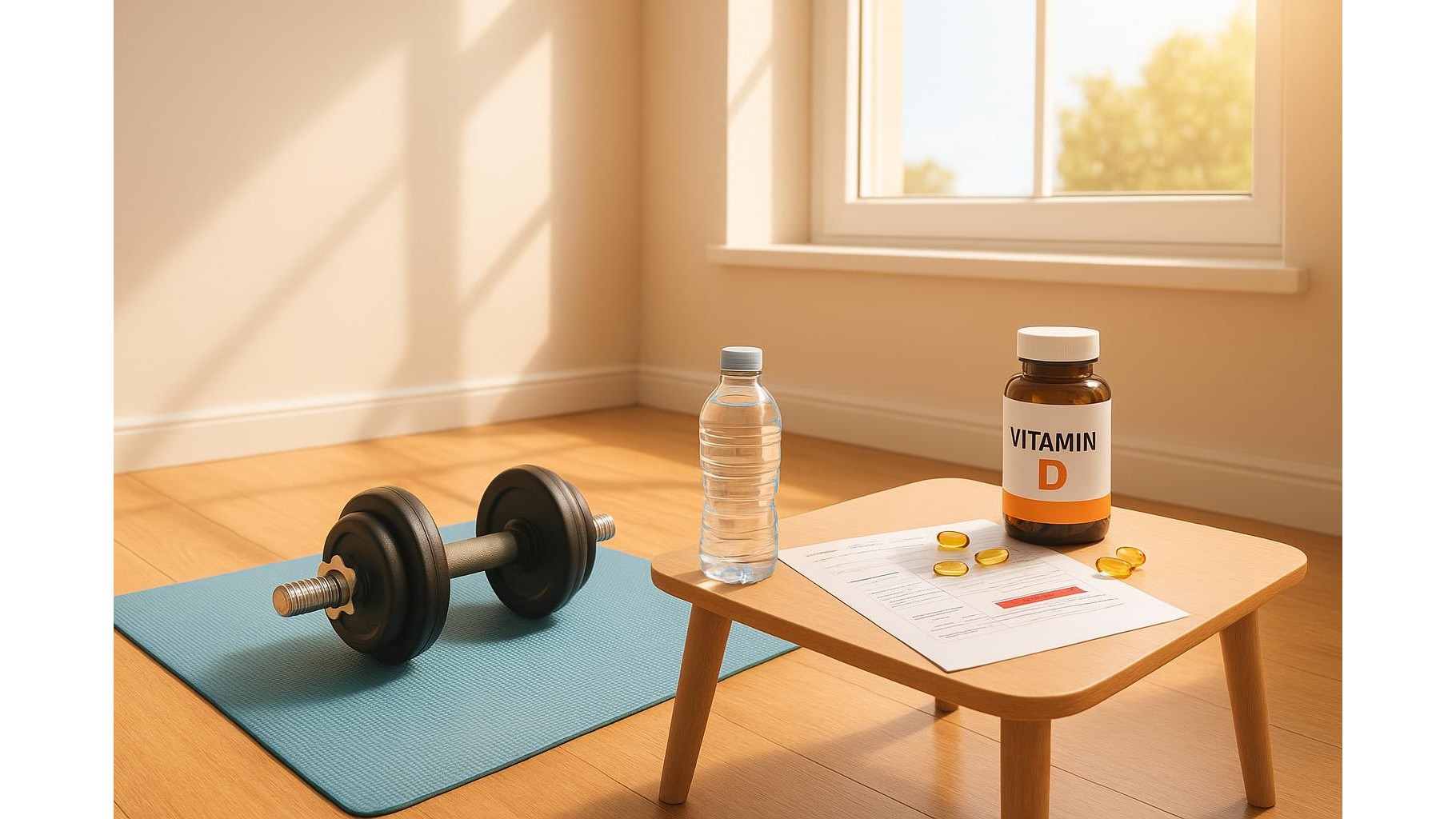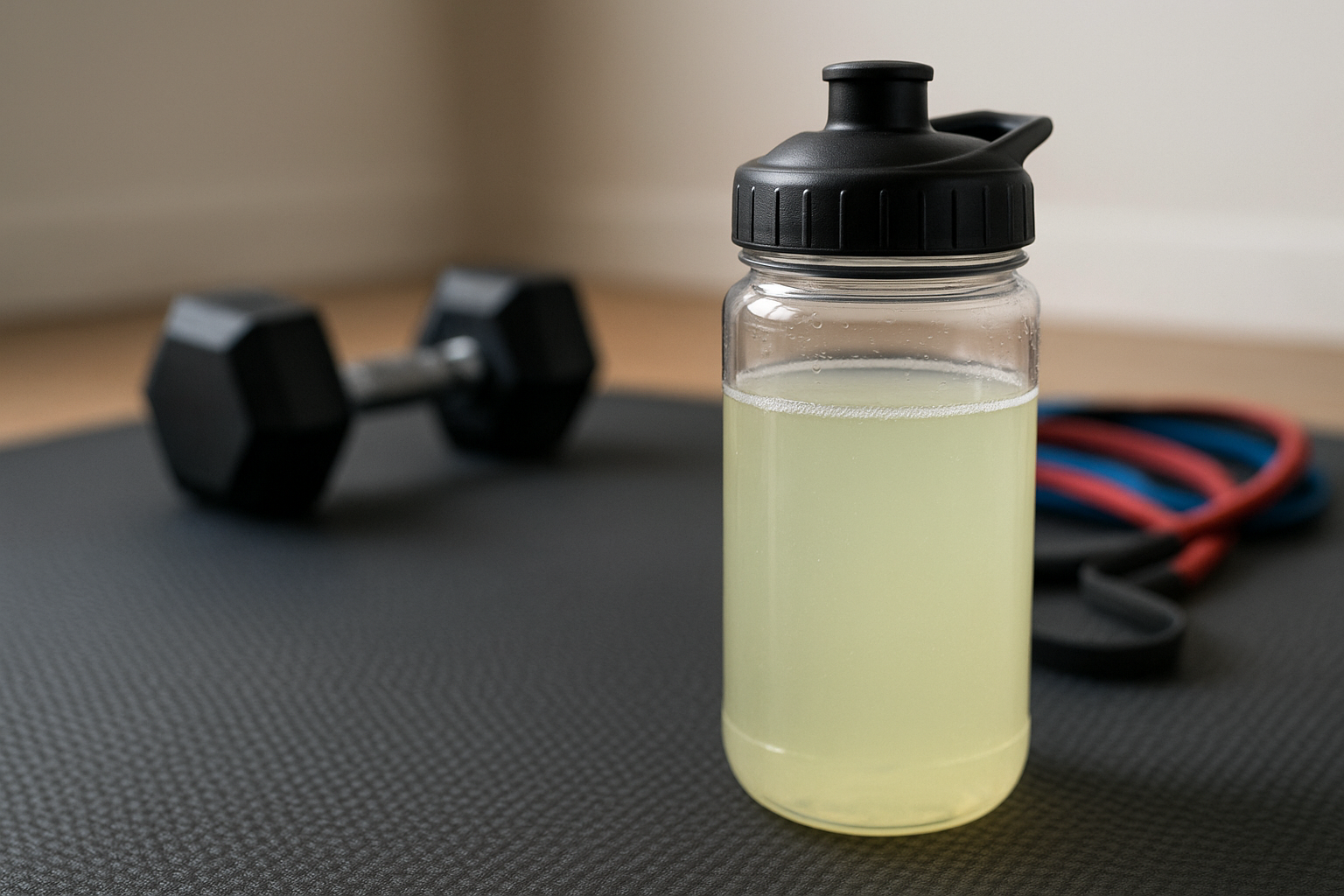
Training in your home gym means you control everything: schedule, music, and also what you drink. In recent years, electrolyte supplements have moved from elite sports to everyday workouts, often marketed as a must-have for any session. But do you really need them for a 30‑minute dumbbell circuit or a short treadmill run? This article offers an evidence-based look at when electrolytes are useful, how to read labels, and how to avoid unnecessary sugar and additives while you build your fitness at home.
Table of contents
What electrolytes do and when you actually need them
Electrolytes like sodium, potassium, magnesium and calcium help regulate fluid balance, nerve function and muscle contraction. During intense or long workouts, you lose them through sweat, especially sodium. For most people doing light to moderate home workouts under 60 minutes, plain water and a balanced diet are usually enough. Electrolyte drinks become more relevant if you train for over an hour, sweat heavily (for example in a hot room or during HIIT), or do multiple sessions a day. If you notice symptoms like muscle cramps, headache and very salty sweat marks on your clothes after long sessions, structured electrolyte intake can be useful.
How to read electrolyte labels: what matters and what doesn’t
On most products, focus first on the sodium content, because that is the main electrolyte lost in sweat. For endurance or very sweaty sessions, look for around 300–500 mg of sodium per serving; for shorter workouts, you can often go lower. Check how many servings are in one scoop or tablet to avoid accidental overdosing. Then look at carbohydrates and sugar: many sports drinks contain 20–30 g sugar per serving, which you probably do not need for routine home training. For general fitness, a low-sugar or zero-sugar formula is often enough, as long as your daily diet covers your energy needs. Finally, review the ingredient list for unnecessary artificial colours, excessive sweeteners, and “proprietary blends” that hide exact doses.
Low-sugar options and how to avoid hidden calories
If your goal is fat loss or weight maintenance, reducing liquid calories is crucial. Many home athletes benefit from low‑sugar electrolyte tablets or powders that provide minerals without turning your bottle into a soft drink. When comparing products, calculate total sugar per bottle based on your typical dilution, not just per 100 ml. Be aware that “energy” or “sport” drinks can combine caffeine, sugar and electrolytes, pushing total calories much higher than expected. A practical strategy is to use zero‑sugar electrolyte mixes in most sessions and reserve higher‑carb drinks only for very long or competition‑style efforts. This keeps hydration and electrolytes on point without sabotaging your daily calorie balance.
Do you really need extra magnesium and other add-ons?
Many electrolyte products highlight added magnesium, zinc, B‑vitamins or herbal extracts as performance boosters. While magnesium is important for muscle function, the doses in standard electrolyte drinks are often modest and easily covered by a normal diet if you eat whole grains, nuts and leafy greens. High doses of magnesium, especially from certain salts, can cause digestive upset. Added vitamins are usually unnecessary if you already take a multivitamin or eat a varied diet. When choosing a supplement for home workouts, prioritise clear electrolyte information, appropriate sodium levels and low sugar over flashy “energy complex” claims. More ingredients do not automatically mean better performance.
Practical dosing for home gym sessions
Match your electrolyte strategy to your actual training. For a 30–45 minute strength or mobility session, start already well hydrated and sip water; an electrolyte drink is optional. For 60–90 minutes of steady cardio or mixed circuits with noticeable sweating, one serving of a low‑sugar electrolyte drink during or after training is reasonable. For very intense or long sessions in heat, you may use one serving per hour, guided by thirst and sweat loss. Avoid continuously sipping strong electrolyte drinks all day, as excess sodium may be an issue for people with high blood pressure or kidney problems. When in doubt, discuss your plan with a healthcare professional, especially if you have existing medical conditions.
In summary, electrolyte supplements can support performance and recovery for longer or more intense home workouts, but they are not mandatory for every session. Understand what electrolytes actually do, learn to read labels, and choose mostly low‑sugar products to avoid hidden calories. Use them strategically around demanding training, while relying on a balanced diet and regular water intake the rest of the time. This way you get the real benefits of electrolytes without overdoing it or turning your hydration routine into an unnecessary sugar bomb.