When you train at home, choosing what to drink can feel confusing. Do you really need a colourful sports drink, or is plain water enough? Understanding the difference between electrolyte-free drinks, low-sugar sports drinks and regular water helps you stay hydrated without overloading on sugar, sweeteners or unnecessary additives during everyday home workouts.
Plain water: the baseline for most home workouts
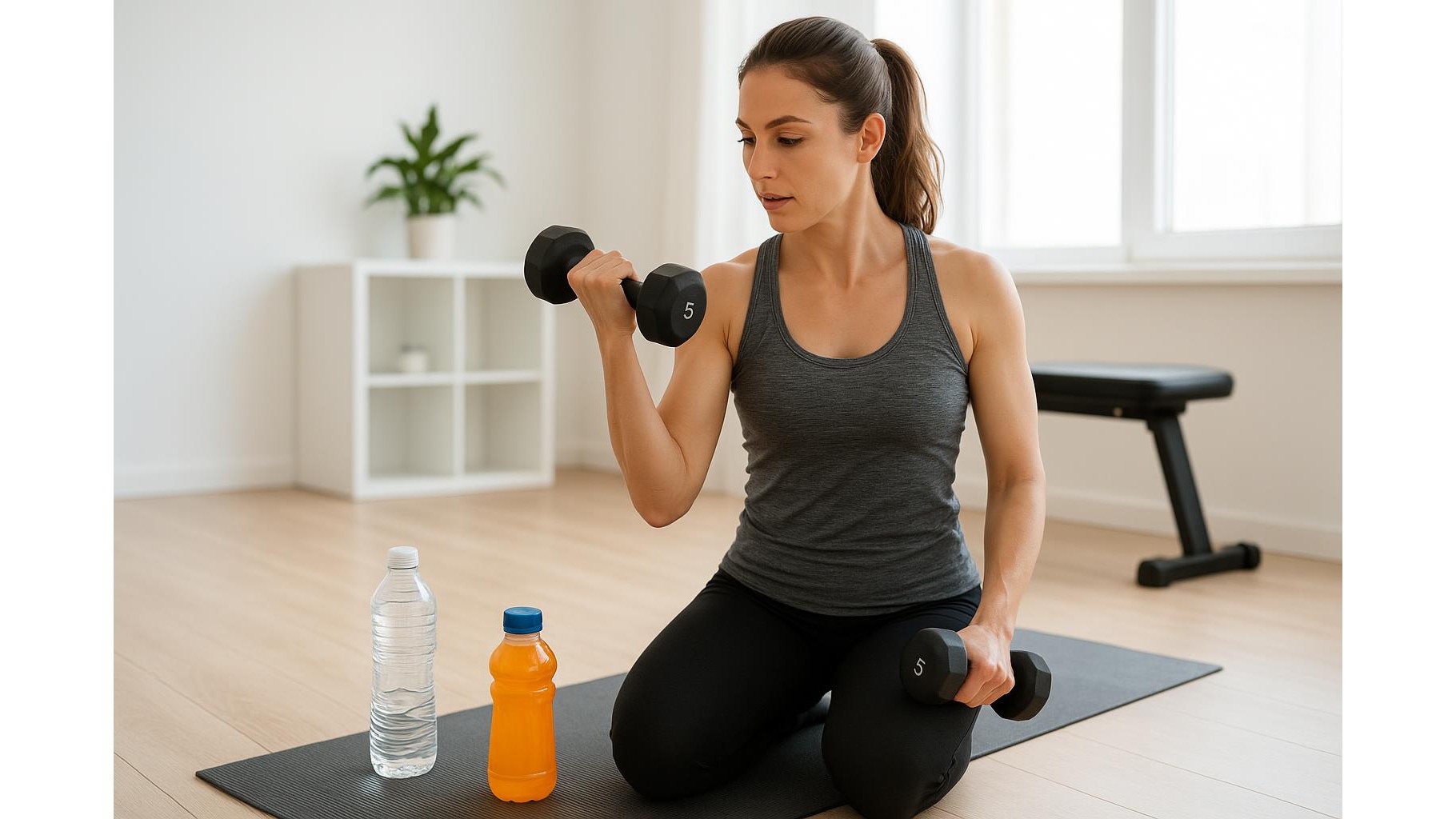
For most low to moderate intensity home workouts lasting under an hour – like bodyweight circuits, yoga, Pilates, or light dumbbell sessions – plain water is usually all you need. You are sweating, but not enough to require specific electrolyte replacement. Keep a large bottle of tap or filtered water nearby and sip regularly before, during and after training. If your sessions are short and you are not drenched in sweat, an electrolyte-free drink is a simple, low-cost and additive-free solution that supports normal performance without extra sugar.
When low-sugar sports drinks make sense
Low-sugar sports drinks can be useful when your home workouts are longer (around 60–90 minutes or more), more intense (HIIT, kettlebells, conditioning circuits), or done in a hot, poorly ventilated room where you sweat heavily. In those conditions you lose more sodium, potassium and other electrolytes, and your muscles may benefit from a small amount of easily absorbed carbohydrate. A typical low-sugar or reduced-carb sports drink provides electrolytes with fewer grams of sugar than a classic isotonic drink, helping to support fluid balance and energy without the blood sugar spikes of high-sugar formulas.
Electrolyte-free vs electrolyte drinks: what’s really different?
An electrolyte-free sports drink is basically flavoured water without significant amounts of sodium, potassium or magnesium. It may taste like a sports drink but acts more like water. This kind of product can encourage you to drink more because of the flavour, but it does not replace the electrolytes lost in sweat. In contrast, a low-sugar electrolyte drink contains measured doses of key minerals, sometimes with vitamins, and a modest amount of carbohydrate. For typical home strength or mobility sessions, you probably do not need extra electrolytes. However, if you notice cramps, heavy sweating, salt stains on clothes or dizziness during longer workouts, a low-sugar electrolyte option between sets can be helpful.
How to avoid unnecessary sugar and additives
To keep your home training hydration clean and simple, always read labels. Many ready-to-drink sports beverages are high in added sugar, artificial colours and flavourings designed more for taste and marketing than performance. Look for products labelled low sugar, check the grams of carbohydrate per 100 ml, and prefer clear formulas without bright dyes. You can also create a minimalist strategy: use water as your default, then keep a low-sugar electrolyte mix on hand only for your hardest, longest sessions. This way you support performance while avoiding an unnecessary daily intake of sweeteners and additives.
Practical hydration rules for everyday home workouts
A simple rule: if your home workout is under 60 minutes and you are not dripping with sweat, stick to plain water. Sip a glass 30 minutes before you start, keep a bottle nearby during training, and drink again after. For longer or very intense sessions, consider a low-sugar sports drink with electrolytes, especially in hot conditions. On rest days, focus on normal water intake, herbal teas and fluids from food like fruit and vegetables. By matching your drink to the duration, intensity and environment of your training, you can stay hydrated, avoid overconsuming sugar, and support consistent performance in your home gym.
In summary, you do not need a complex drink strategy for everyday home workouts. Use electrolyte-free options such as plain water for short or light sessions, and reserve low-sugar sports drinks with electrolytes for the tougher, sweatier workouts where they really add value. This balanced approach keeps your hydration simple, targeted and aligned with your real training needs.