Staying properly hydrated during home workouts is essential for performance, recovery, and overall health, but not everyone loves the taste of plain water or wants to rely on sugary sports drinks and electrolyte mixes. The good news: for most home athletes training under 60–75 minutes at moderate intensity, you can hydrate effectively without special formulas. This guide shares evidence-based hydration strategies, low-calorie flavour ideas, and simple tools you can use in your home gym to drink more, without loading up on sugar or artificial additives.
Understand when you really need electrolytes
Before you invest in complex hydration products, it helps to know when electrolytes are actually necessary. For typical home strength sessions, mobility work, or steady-state cardio lasting under an hour in a cool to moderate environment, plain water is generally sufficient to replace fluid losses. Electrolyte-heavy drinks become more relevant in very long, hot, or high-sweat workouts (for example, intense HIIT in a non‑air‑conditioned room or multi-hour endurance sessions). If you are a home lifter or do short treadmill or bike rides, focus first on total daily fluid intake and listening to your thirst. A simple rule is to drink regularly across the day and add a bit more water before and after training, rather than chasing exotic formulas you may not even need.
Low-calorie flavour boosters you can control
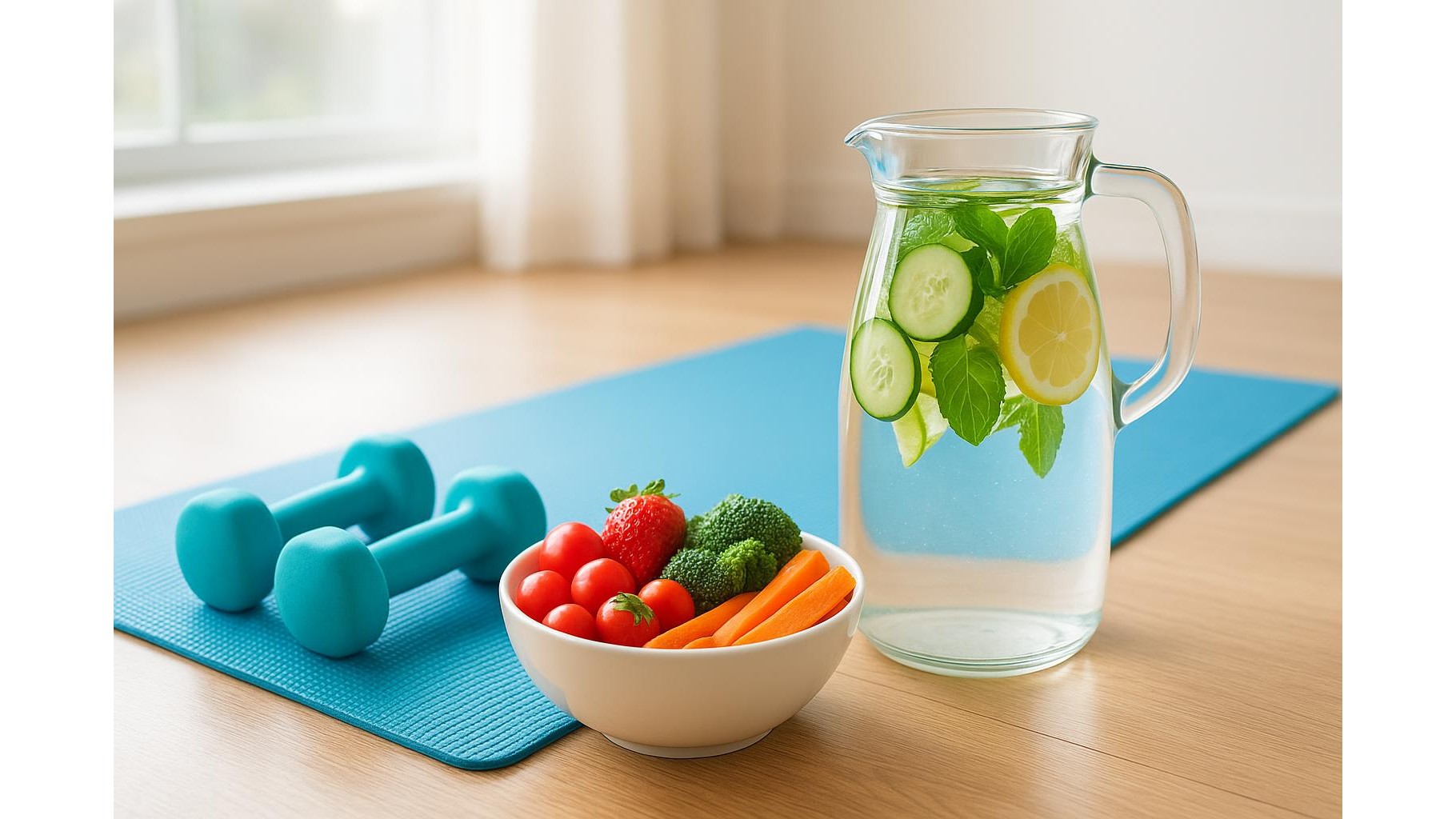
Disliking plain water does not mean you must rely on flavoured electrolyte powders. You can create your own light, low-calorie options with ingredients you likely already have at home. Add slices of lemon, lime, cucumber, or fresh mint to a jug of cold water for a very subtle taste that encourages sipping without adding much sugar. A few frozen berries or a splash of 100% fruit juice can provide variety; keep it to roughly 50–100 ml of juice per large bottle to maintain a low sugar load. Unsweetened herbal teas (hot or iced) are another evidence-supported way to contribute to your daily hydration. If you enjoy a slight sweetness, non‑nutritive sweeteners (like stevia or sucralose) in small amounts are considered safe for most people and can make homemade drinks more appealing without loading up calories.
Use timing strategies to drink more without overdoing it
Smart hydration timing helps you drink consistently without feeling bloated. For home athletes, a simple pattern works well: have a glass of water (around 200–300 ml) in the 60 minutes before training, then sip small amounts (2–3 mouthfuls) every 10–15 minutes during your workout if you feel thirsty. Follow up with another glass within an hour after finishing. Outside of training, spread your fluids across the day: on your desk, beside your yoga mat, or near your home squat rack. This pattern aligns with research suggesting that steady, moderate intake supports performance better than chugging huge volumes at once. Watching your urine colour is a practical check: pale straw usually indicates adequate hydration, while very dark yellow suggests you should drink more, especially if you’ve trained.
Leverage your environment and routine triggers
Behavioural cues are powerful for building a consistent hydration habit in your home gym. Link drinking water to tasks you already perform: for example, take a few sips before every warm-up set, between supersets, or right after you log a workout in your tracking app. Keep a dedicated bottle in your workout space so you do not have to leave the room to drink; this reduces friction and increases compliance. Many home athletes find it useful to fill a large jug or multiple bottles in the morning so they have a tangible visual target to finish by the end of the day. If you often forget to drink, set subtle alarms on your phone or smartwatch around usual training times. Over days and weeks, these environmental nudges help transform hydration from an afterthought into an automatic part of your training routine.
Hydrating foods that support your fluid intake
Hydration is not only about what you drink. A significant portion of daily fluid can come from high-water foods. Including options like watermelon, oranges, strawberries, cucumber, courgette, tomatoes, and leafy salads in your meals and snacks boosts your overall fluid intake almost without effort. Pairing salty foods (for example, a light sprinkle of salt on your post‑workout omelette or a handful of lightly salted nuts) with water can help your body retain fluid slightly better when you sweat, without needing processed electrolyte blends. For home athletes aiming to manage body weight, these water-rich foods also add volume and fibre, increasing satiety and supporting nutrition goals alongside hydration.
Practical, sustainable hydration for home athletes
You do not need colourful sports drinks or constant electrolyte mixes to stay well hydrated for most home workouts. By understanding when electrolytes are truly needed, using low-calorie flavour ideas, planning your drinking around training sessions, shaping your environment, and leaning on water-rich foods, you can build a simple, sustainable strategy that fits your routine. Focus on consistency rather than perfection: drink regularly, respond to thirst, and pay attention to how your body feels during and after training. With a few small habits, electrolyte-free hydration can support your performance, recovery, and overall health in your home gym.