Training at home makes every supplement choice feel more personal: you are in your own space, with your own routine, and you want to know whether you truly need a flashy pre-workout supplement or if a simple cup of coffee is enough. This article looks at what the science says about caffeine, how it compares with typical pre-workout powders, and offers practical advice so you can decide what fits your home workouts, budget and goals.
Table of contents
Caffeine basics: what actually boosts your performance
The main reason both pre-workout powders and coffee work is the same ingredient: caffeine. Research consistently shows that caffeine can improve alertness, perceived energy and even strength and endurance when taken in the right dose (around 3–6 mg per kg of bodyweight for trained adults). It works by blocking adenosine receptors in the brain, making you feel less tired and more focused. A standard home-brewed coffee usually provides 80–120 mg of caffeine per mug, while many pre-workout servings contain 150–300 mg. For most home trainees, especially beginners and intermediates, the performance difference between a well-timed coffee and a high-stim pre-workout will be modest, provided total daily caffeine intake stays within safe limits.
What’s inside pre-workout powders besides caffeine
Commercial pre-workout supplements usually combine caffeine with other active ingredients such as beta-alanine, citrulline malate, creatine and various plant extracts. In theory, these support blood flow, buffering of muscle acidity and long-term strength gains. In practice, the benefits depend heavily on the dosage. Many products under-dose expensive ingredients and rely mainly on caffeine for the “kick”. You also pay more per serving compared with coffee, and some blends include unnecessary sweeteners, colourings and proprietary formulas that hide exact amounts. For home workouts focused on general fitness, body recomposition and strength progression, a simple combination of caffeine from coffee plus separately managed staples like creatine often covers most evidence-based needs.
When coffee is enough for your home workout
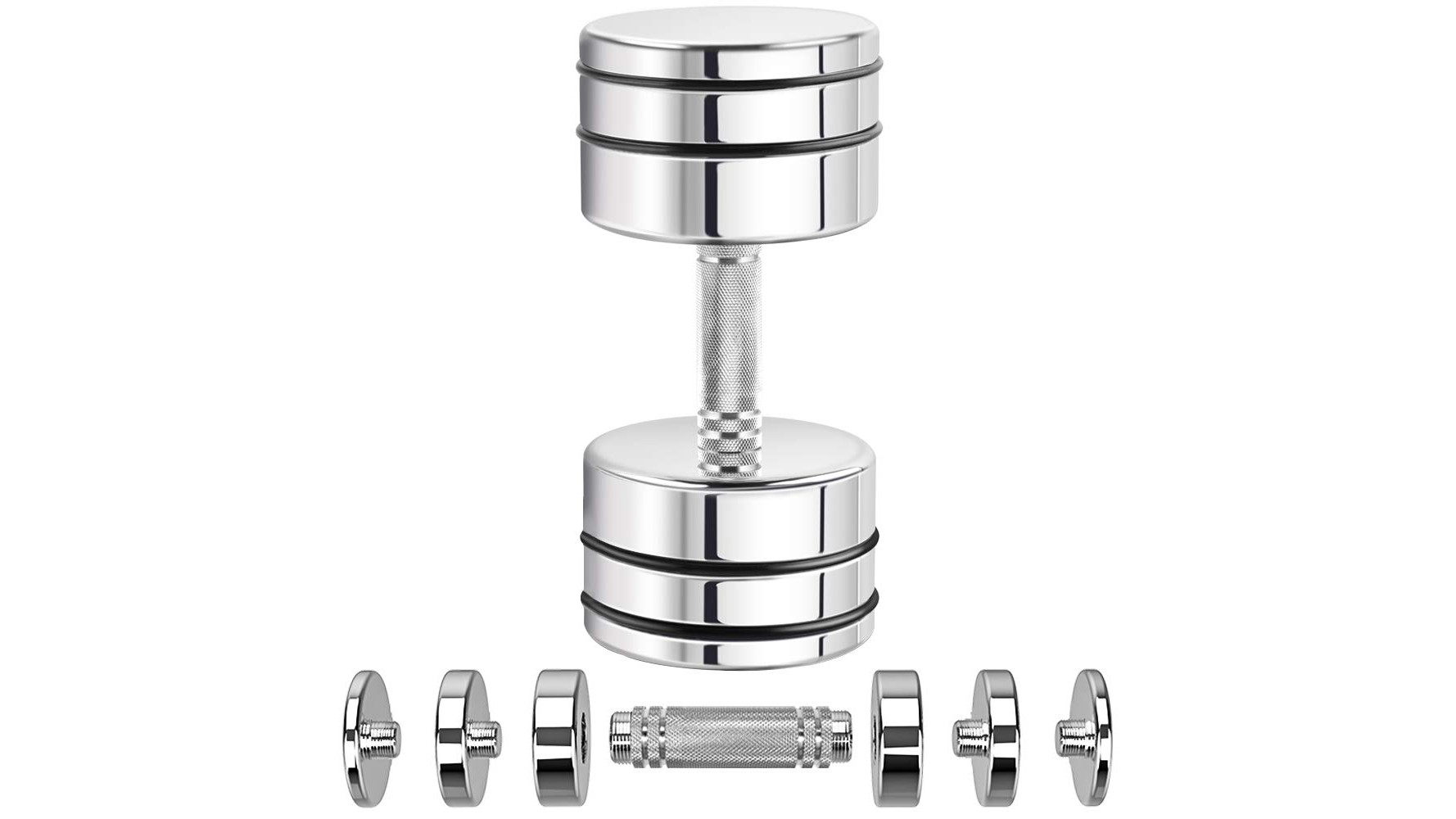
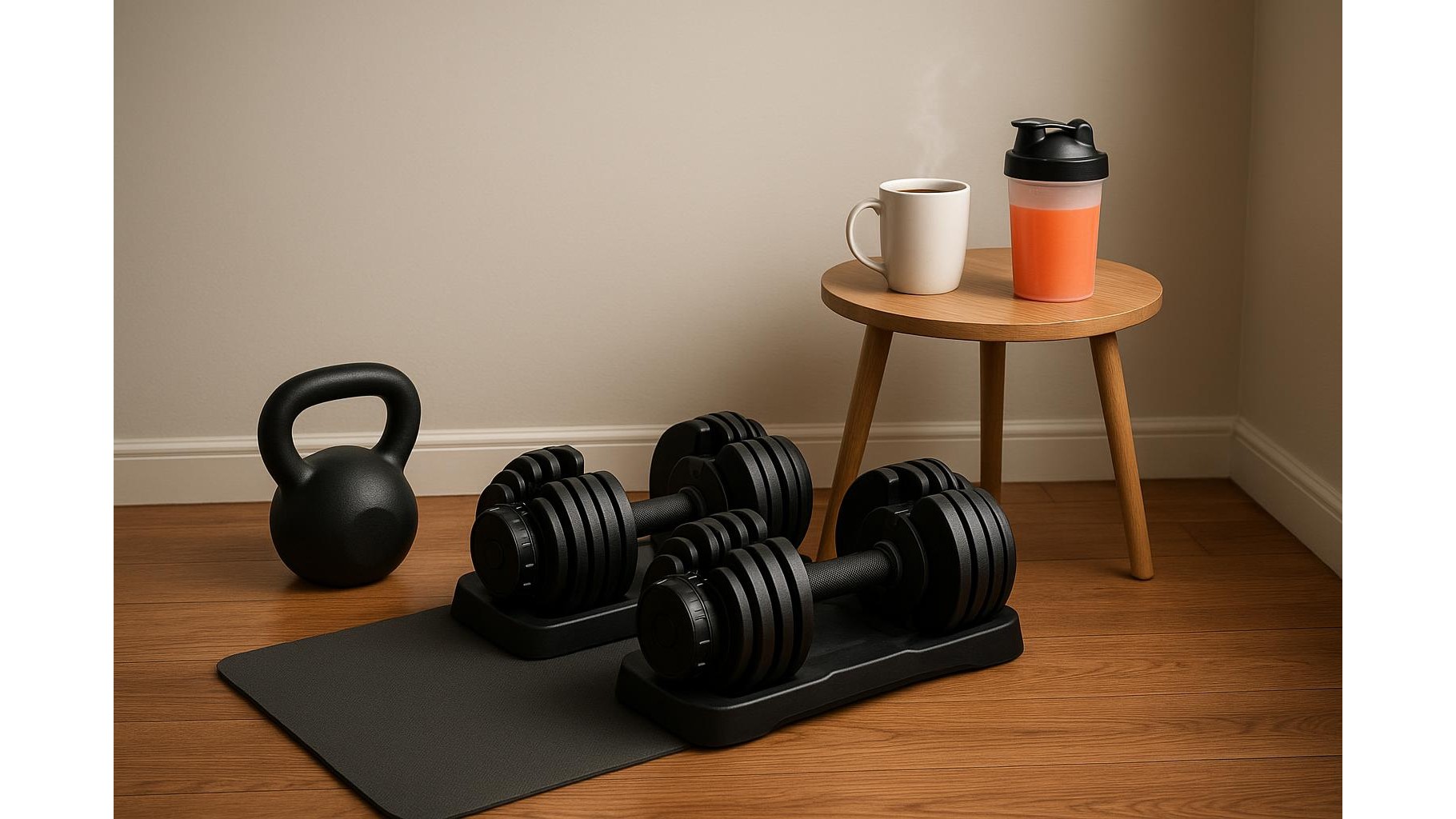
If you train at home 3–5 times per week with moderate to hard sessions of 30–60 minutes, coffee alone is usually sufficient. A mug of coffee 30–45 minutes before you pick up your dumbbells, kettlebells or resistance bands will raise alertness and motivation without requiring any special product. Coffee is cheap, easy to prepare, and you control the dose by adjusting strength and volume. For people sensitive to stimulants, you can start with half a mug, or choose a smaller caffeine dose earlier in the day to avoid sleep disruption. Since sleep quality heavily influences recovery and progress, a modest pre-workout coffee that does not interfere with bedtime is often more effective in the long term than a very strong pre-workout powder.
When a pre-workout powder can make sense
There are situations where a pre-workout powder may be useful for home training. If you are an advanced lifter chasing personal records in heavy barbell lifts, or you run long, intense conditioning circuits in your home gym, a product that combines sufficient doses of caffeine with ingredients like citrulline and beta-alanine could provide a small but meaningful edge. Pre-workouts also offer convenience: you get a consistent and clearly measured caffeine intake in a single scoop, which helps if you do not like the taste of coffee or you train very early and want a flavoured drink. However, you should still check labels critically, avoid products with extreme stimulant levels, and remember that no pre-workout can replace a solid programme, adequate calories, hydration and sleep.
Safety, side effects and smart dosing at home
Whether you use coffee or a pre-workout supplement, the same safety principles apply. Most healthy adults should stay below roughly 400 mg of caffeine per day from all sources, and pregnant individuals should aim lower according to medical guidance. Excess caffeine can cause jitters, anxiety, elevated heart rate and poor sleep, which ultimately harm training progress. At home, it is easy to lose track if you sip coffee all day and then add a strong pre-workout before your evening session. A practical approach is to plan your total daily caffeine, count all sources (coffee, tea, energy drinks, powders) and reserve a moderate portion for your workout window. If you notice sleep issues or feeling “wired but tired”, reduce the dose or move your training earlier in the day.
In summary, for the vast majority of home trainees, a well-timed mug of coffee before a workout offers most of the proven benefits of much more expensive pre-workout powders. Pre-workouts can be useful tools for specific cases—very intense training blocks, taste preference, or the need for precise dosing—but they are not essential for building muscle, losing fat or getting stronger at home. Focus first on consistent programming, progressive overload, good nutrition and sleep, then experiment carefully with caffeine sources if you feel you need an extra boost.