
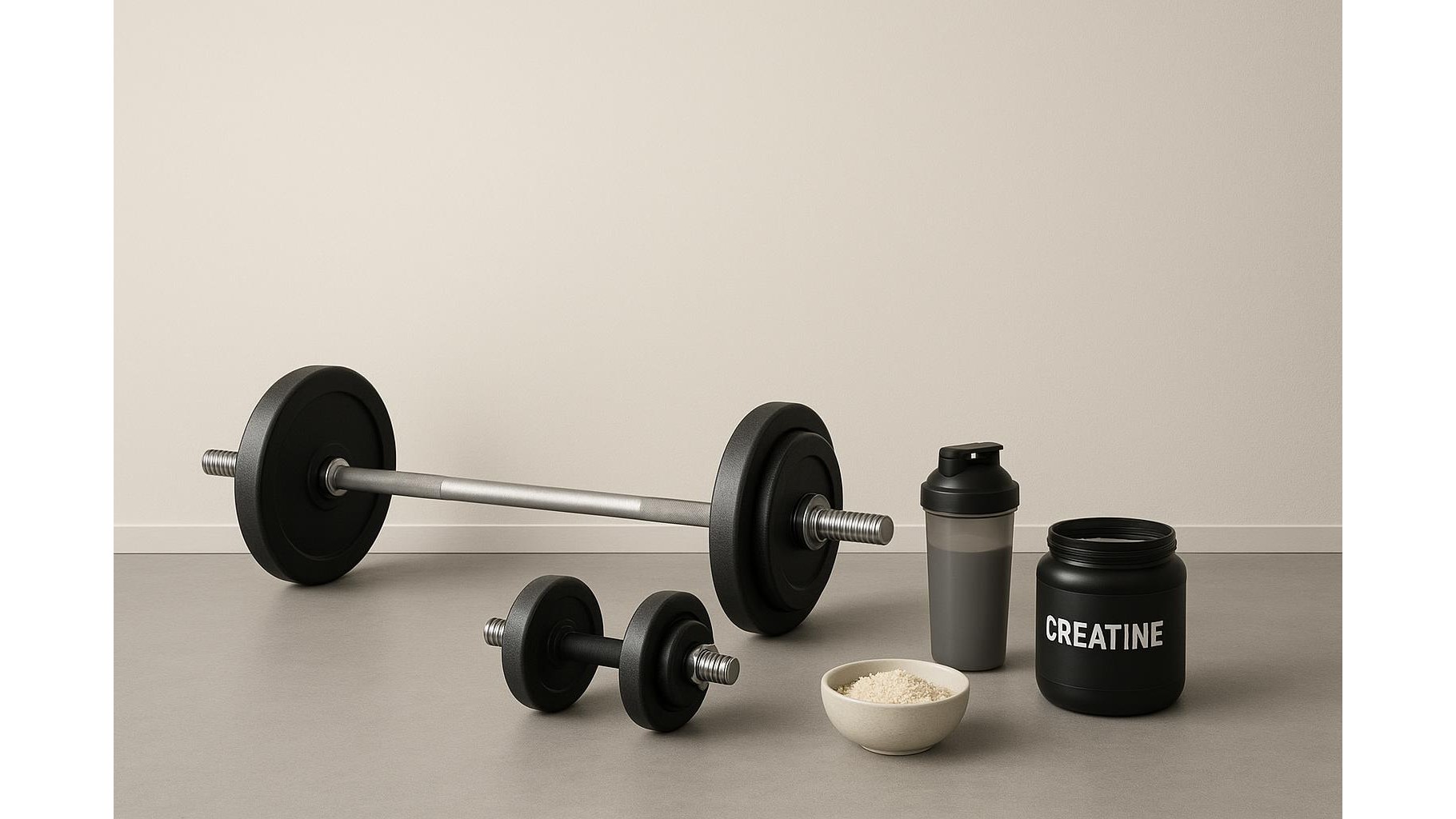
For many home lifters, adding creatine after a workout is already a staple. But some athletes now combine creatine with a dose of carbohydrates in the hope of faster muscle growth and better strength gains. The idea is that carbs raise insulin, which might help pull more creatine into the muscle. How much of this is supported by research, and who really benefits from this post‑workout stack when training in a home gym?
How creatine works for home lifters
Creatine monohydrate is one of the most studied sports supplements. It increases your muscles’ stores of phosphocreatine, which helps regenerate ATP – the immediate fuel for short, intense efforts like heavy squats, push‑ups with weight vests or kettlebell swings. With higher creatine levels, you can usually squeeze out an extra rep or two per set, recover slightly faster between sets, and maintain performance across your home workouts. Over weeks and months, this often translates into more muscle mass and strength, provided your training and protein intake are on point.
Why add carbs to creatine post‑workout?
The logic behind stacking creatine plus carbs is insulin. Carbohydrates raise blood sugar and trigger insulin release, and insulin can help drive nutrients – including creatine – into muscle cells. Some early studies found that taking creatine with a large dose of carbs (or carbs plus protein) increased muscle creatine stores more than creatine alone. In theory, this could mean slightly better performance and growth. However, these protocols often used very high carbohydrate intakes that don’t suit everyone, especially home trainees who are also trying to manage body fat. For most lifters, the benefit of adding a modest carb source after training is likely small but can be meaningful over time if it supports better recovery and total calorie intake.
Dosing strategies and timing at home
For home workouts, the core recommendation is still 3–5 g of creatine monohydrate per day. Timing is flexible – total daily intake matters more than the exact minute you take it – but many people prefer post‑workout out of habit. You don’t need a complex stack: a simple shake or meal that includes carbohydrates and protein is enough. For example, you might combine creatine with a post‑training snack like oats and whey, fruit and Greek yogurt, or rice and a lean protein source. This gives you carbs to support glycogen replenishment, protein for muscle repair, and creatine to keep muscle stores topped up. Consistency day‑to‑day is more important than chasing a tiny timing advantage.
Who actually benefits from creatine–carb stacking?
The research suggests that stacking creatine with carbs may be most useful if you are in a high‑volume training phase, trying to maximize every percent of performance, or if you struggle to maintain bodyweight and glycogen stores. Home athletes following demanding full‑body or split routines with lots of sets near failure may benefit from the extra recovery support that carbs provide. On the other hand, if you train just three times per week with moderate volume, already eat enough calories and carbs, and take creatine daily, you may see little additional advantage from deliberately adding extra carbohydrates solely to “drive” creatine into the muscle.
Who doesn’t need this stack and possible downsides
If you are focused on fat loss while training in your home gym, aggressively stacking high‑dose carbs with creatine after every session can make it harder to maintain a calorie deficit. Creatine on its own is effective without any special sugar load, so there is no requirement to add sweets or large carb shakes for it to work. People with blood sugar management issues or very sedentary lifestyles outside of training should also be cautious with unnecessary post‑workout carb spikes. Mild weight gain from increased water retention inside the muscles is normal with creatine, but if you also push carbs too high, the scale can jump more than expected and become discouraging, even if your actual muscle gains are solid.
In summary, creatine supplementation is a proven tool for boosting performance and strength gains from home workouts, and combining it with a sensible dose of carbohydrates after training can offer a small additional benefit, particularly in high‑volume phases or for those needing more calories. However, the key drivers of progress remain progressive training, adequate protein, and consistent daily creatine intake. For most home lifters, a balanced post‑workout meal that naturally includes some carbs and protein – with creatine added – is enough to cover all bases without over‑complicating their supplement routine.









