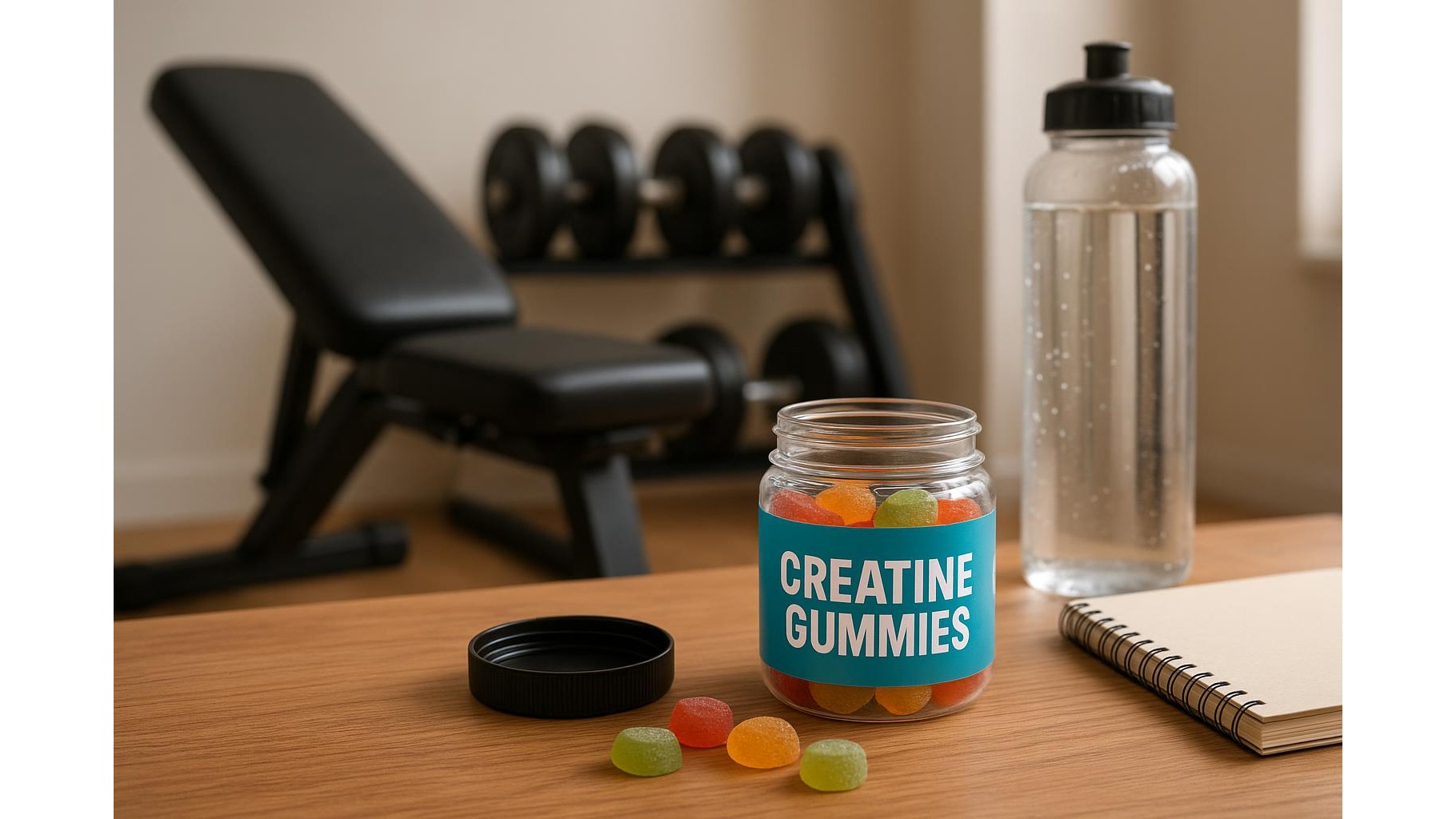
Creatine has long been a staple for strength and hypertrophy, but the supplement aisle is changing. Alongside the usual powders and capsules, you now see colourful creatine gummies and chews promising the same benefits in a candy-style format. For lifters who train mostly at home, these products look convenient and fun—but do they actually work as well as traditional creatine, and what trade‑offs are you making on dosing, absorption and sugar?
What creatine actually does in your body
Before judging gummies, it helps to understand how creatine works. Creatine increases your muscles’ stores of phosphocreatine, which helps regenerate ATP—the primary fuel for short, intense efforts like heavy squats, deadlifts and sprints. A daily dose of around 3–5 g of creatine monohydrate is the evidence-based standard to boost strength, power and lean mass over time. The key point: the benefits depend on reaching full muscle saturation and then keeping intake consistent. As long as you get enough creatine regularly, the specific format (powder, capsule, chew or gummy) is usually less important than the total daily dose and your ability to stick with it.
Creatine gummies vs powder: absorption and effectiveness
Most creatine gummies and chewable tablets use the same active ingredient as powders—typically creatine monohydrate or occasionally other forms like creatine HCl. Once swallowed and digested, the creatine molecule ends up in the bloodstream and muscles in the same way. Current evidence does not show that gummies are inherently better absorbed than a standard monohydrate powder. What matters is that the product provides a clearly labelled dose and that you reach at least 3 g per day. Where gummies can win is adherence: if the candy format makes you more likely to take creatine every day, you may achieve better long‑term results than forgetting a tub of powder in a cupboard.
Dosing accuracy and sugar content at home
For home lifters, it’s easy to toss a scoop of powder into a shaker, but not everyone enjoys the texture or taste. Gummies and chews simplify things by giving you a pre‑measured dose per piece. However, many products only contain 500–1000 mg per gummy, meaning you may need 3–5 pieces daily to hit optimal intake. That can add up in sugar and calories, which might be an issue if you are cutting or managing blood sugar. Always check the label for creatine per serving, number of pieces per serving and grams of sugar. At home, this lets you integrate gummies into your broader nutrition plan, much like you would any other sweet snack.
Who might benefit from candy-style creatine?
Creatine gummies make the most sense for lifters who struggle with traditional forms. If you dislike gritty shakes, forget capsule routines or train in a small home gym without easy access to a kitchen, a jar of chews on your desk can be a practical solution. They can also be useful for people with a sensitive stomach, as some find that spreading creatine across several small gummy doses feels gentler than one big scoop of powder. On the other hand, if you are very calorie‑conscious, on a low‑sugar diet or simply want the cheapest and most concentrated option, a basic creatine monohydrate powder will usually beat gummies on cost and efficiency.
How to use creatine gummies in a home training routine
Whether you choose gummies, chews or powder, the fundamentals are the same. Aim for a consistent daily dose of 3–5 g, taken at whatever time you can stick to—morning, pre‑workout or evening all work. For gummies, that may mean taking a few pieces spaced across the day, especially if each one is low‑dose. Combine creatine with a solid home training program built on progressive overload: heavier loads over time via adjustable dumbbells, resistance bands, or a barbell setup. Creatine cannot replace poor training, sleep or nutrition, but as a consistent addition, even in candy form, it can help you squeeze more performance and muscle gain out of your home workouts.
So, do creatine gummies and chews work for home lifters? As long as the product delivers enough creatine and you use it consistently, yes—they can be just as effective as traditional powder. The real trade‑off lies in cost and sugar intake versus convenience and enjoyment. If the candy-style format helps you build a reliable daily habit without derailing your calorie goals, it can be a smart, home‑friendly way to support strength, power and muscle growth.