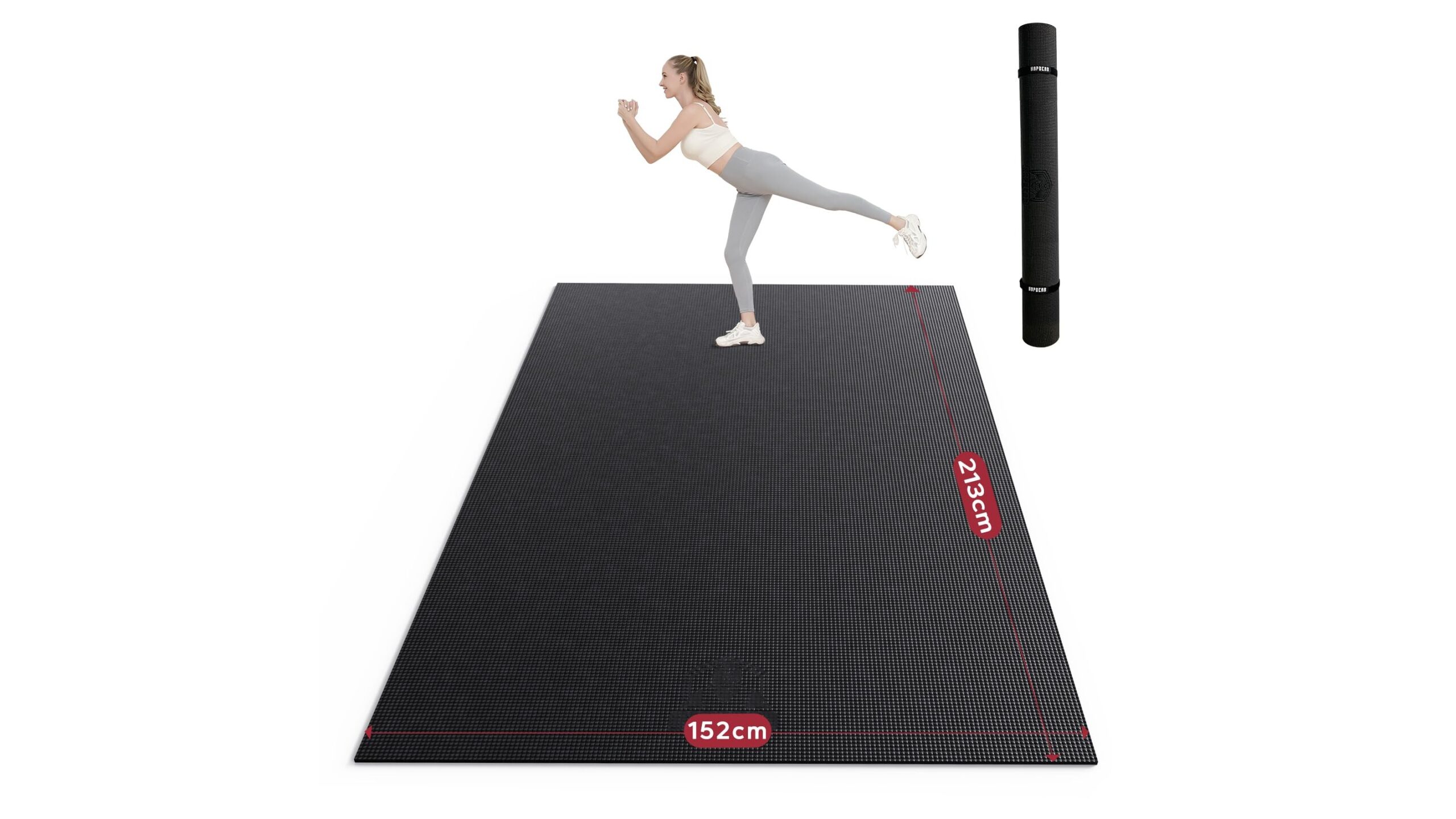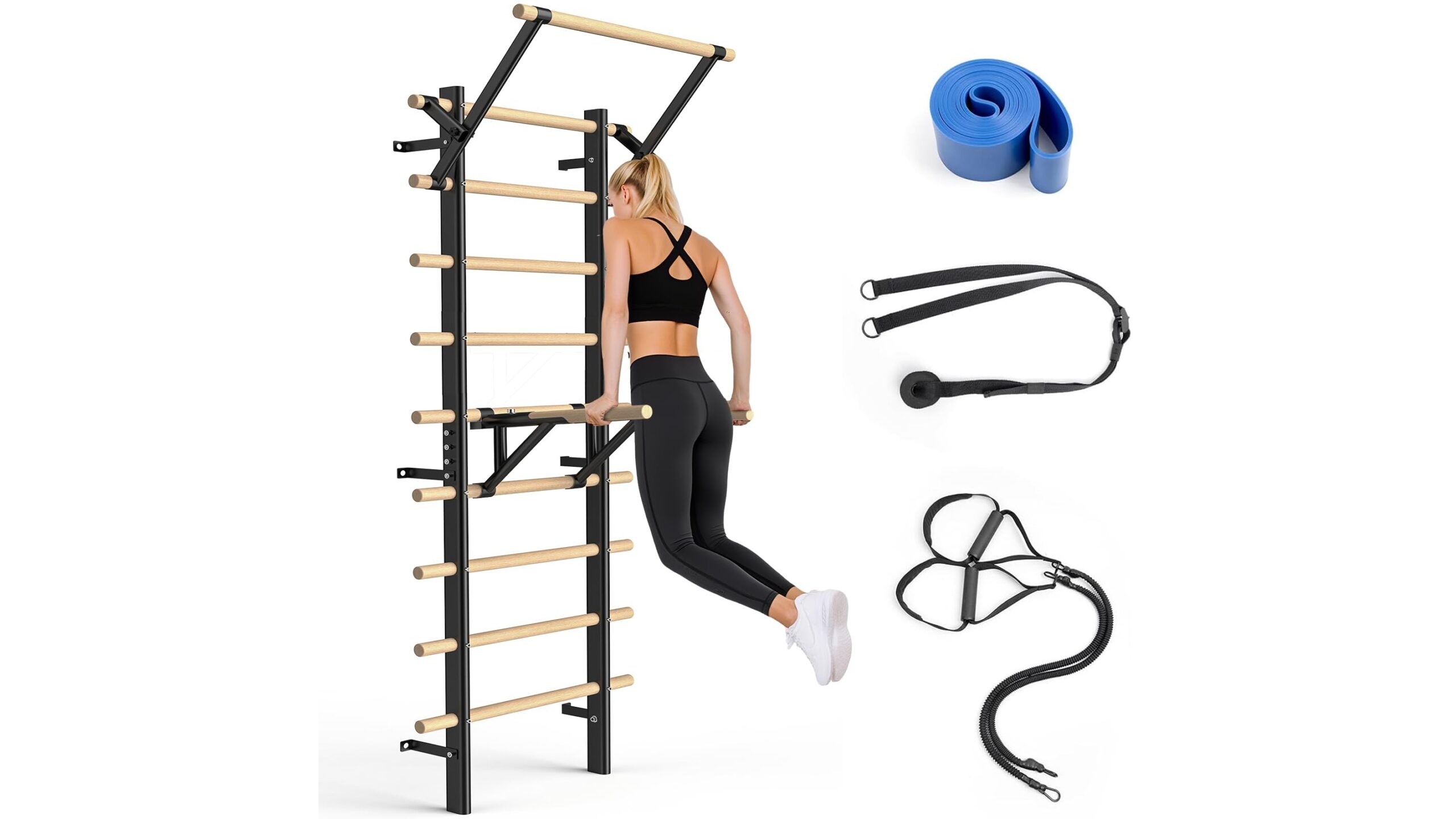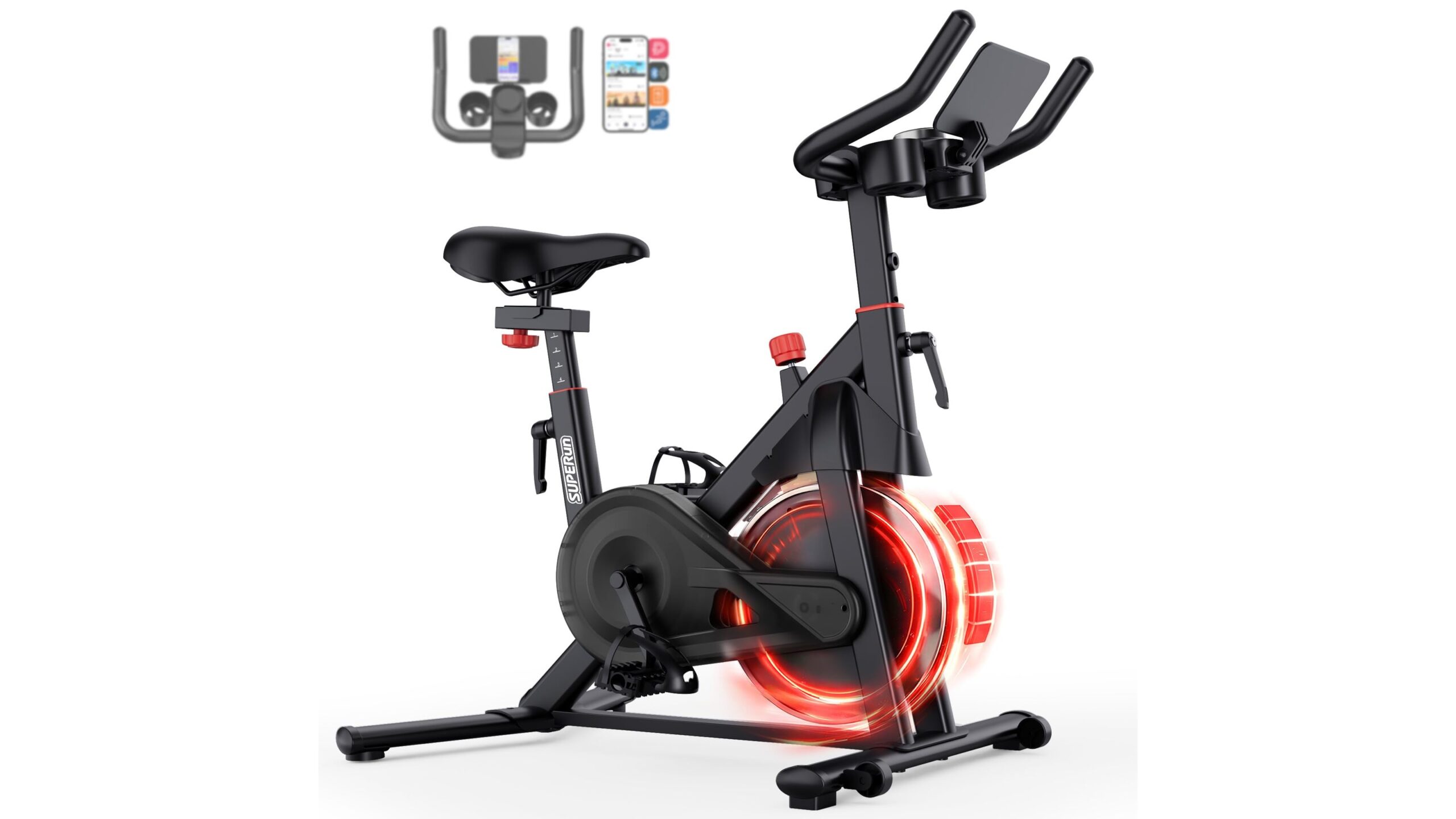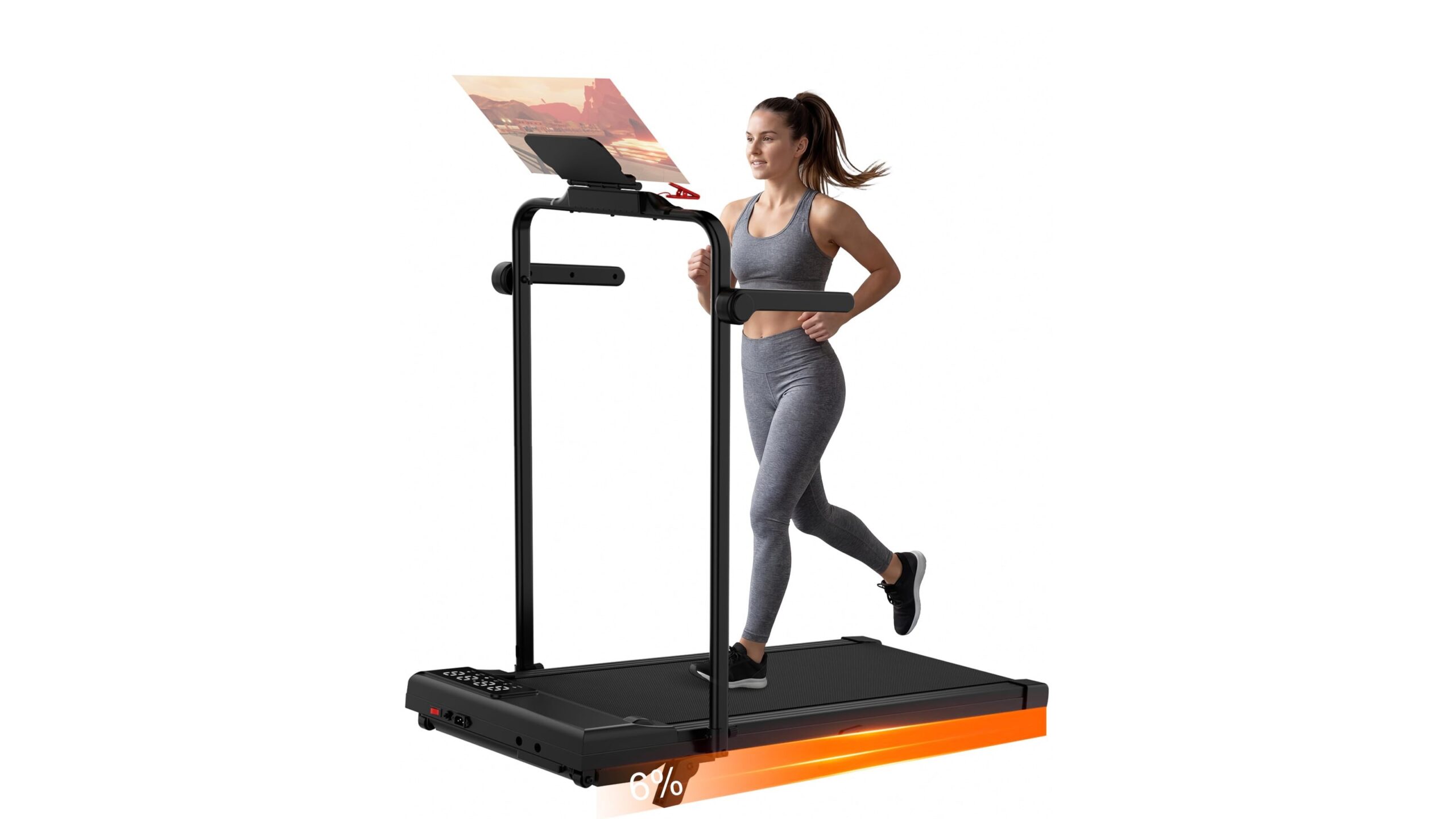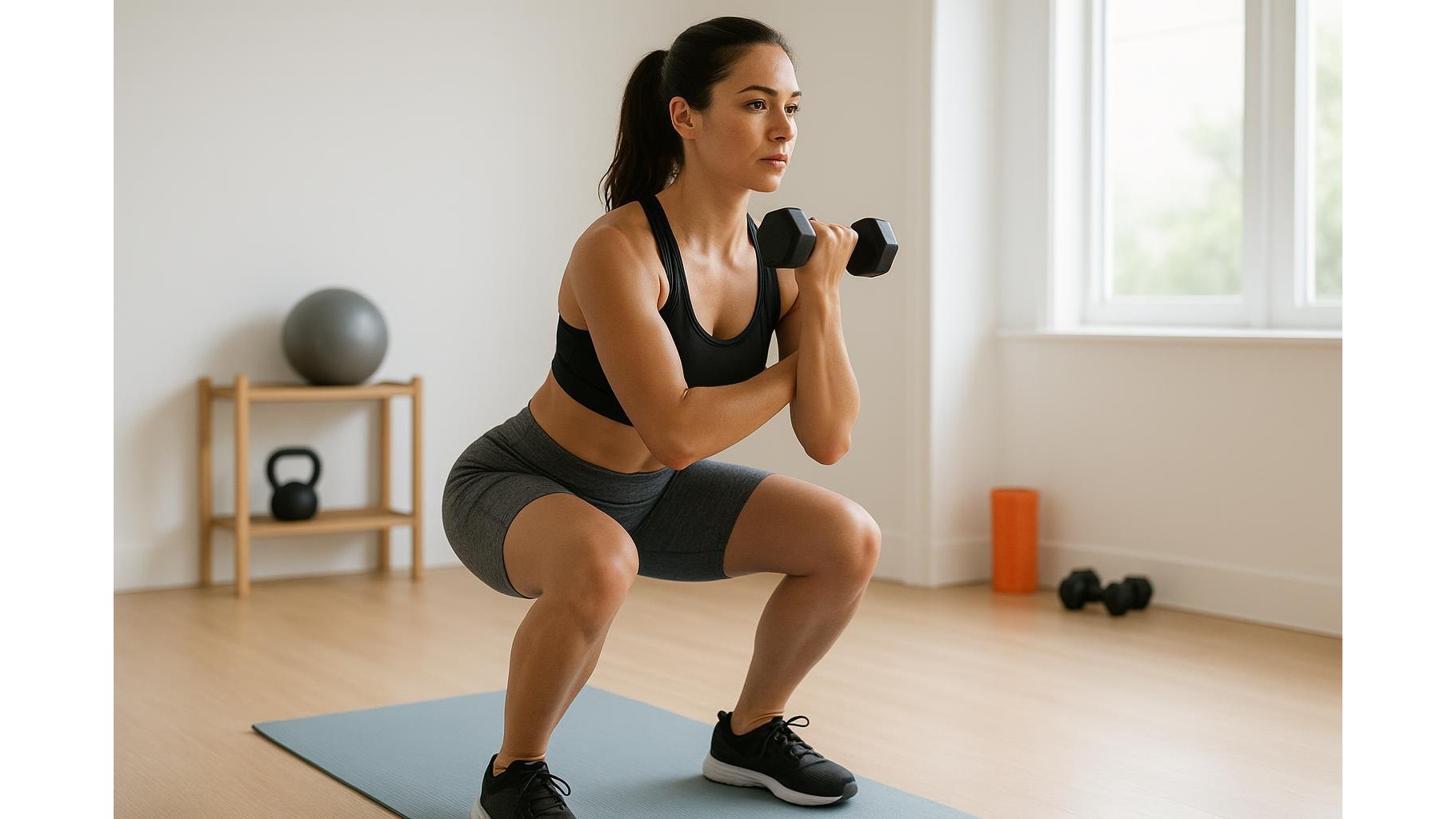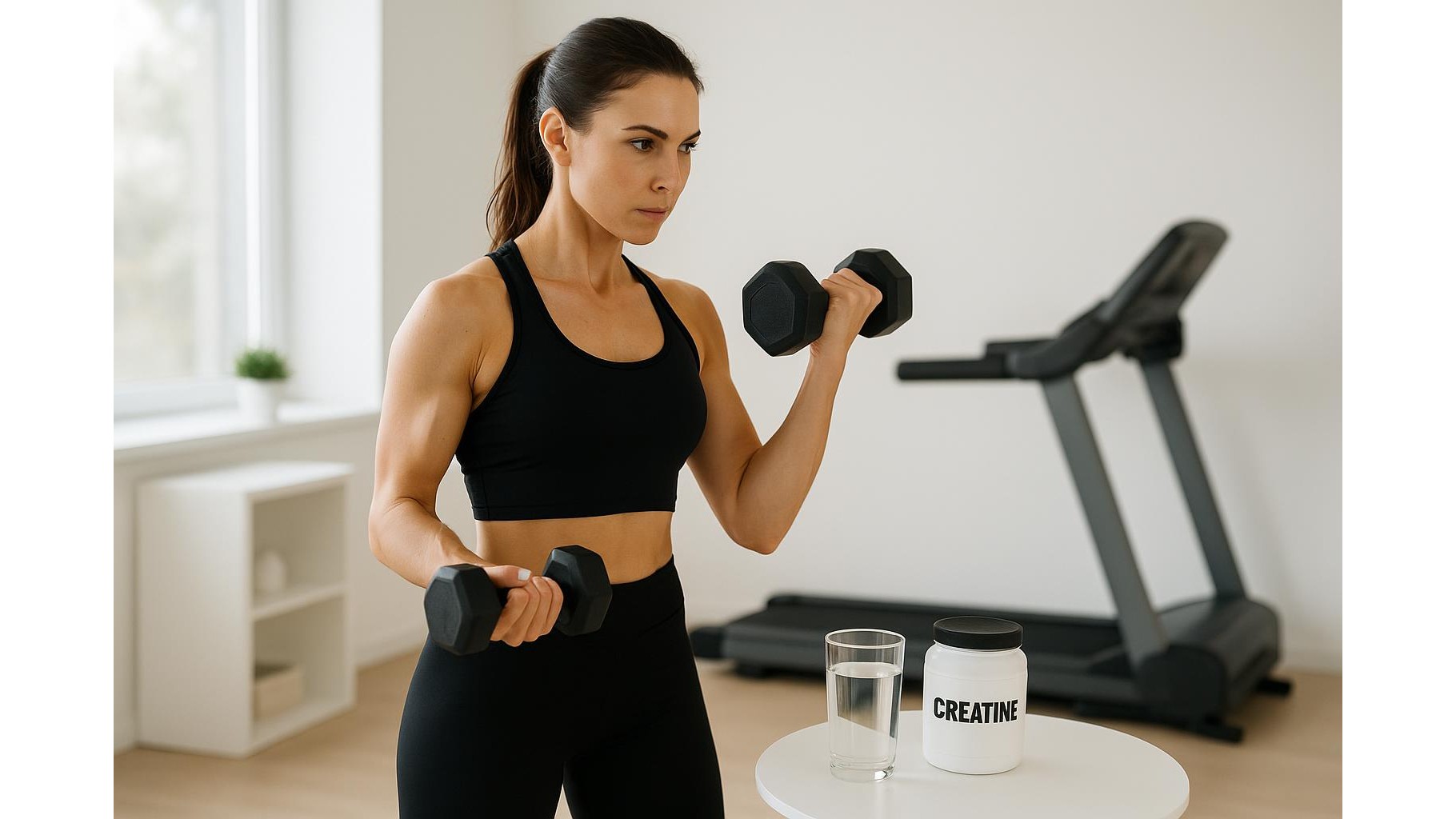
Creatine has long been popular in strength and bodybuilding circles, but many women who train in a home gym still avoid it. Fears about getting “bulky”, extreme water retention or safety concerns often overshadow the solid evidence that creatine is one of the most researched and effective supplements for performance and body composition. This article explains how creatine really works for women training at home, and outlines simple, safe ways to use it.
Table of contents
What creatine really does in your body
Creatine is a naturally occurring compound stored in your muscles where it helps regenerate ATP, the main energy currency for short, intense efforts like squats, push‑ups and kettlebell swings. Supplementing with creatine monohydrate increases muscle creatine stores, so you can perform more reps or use slightly heavier loads. Over time, this can support strength, lean mass and better performance in your home workouts, even if you only train with dumbbells, resistance bands or bodyweight.
Myths about bulkiness and water retention
One of the most persistent myths is that creatine makes women look “puffy” or instantly “bulky”. In reality, creatine may cause a small increase in intramuscular water (water stored inside the muscle cell), which can actually make muscles look a bit fuller and more toned, not bloated. It does not change your hormones, does not act like steroids, and does not force you to gain fat. Any weight increase, usually 0.5–1.5 kg, is largely water in the muscle and reflects improved energy storage. As long as your nutrition is balanced, creatine will not derail fat loss or definition.
Evidence-based benefits for women at home
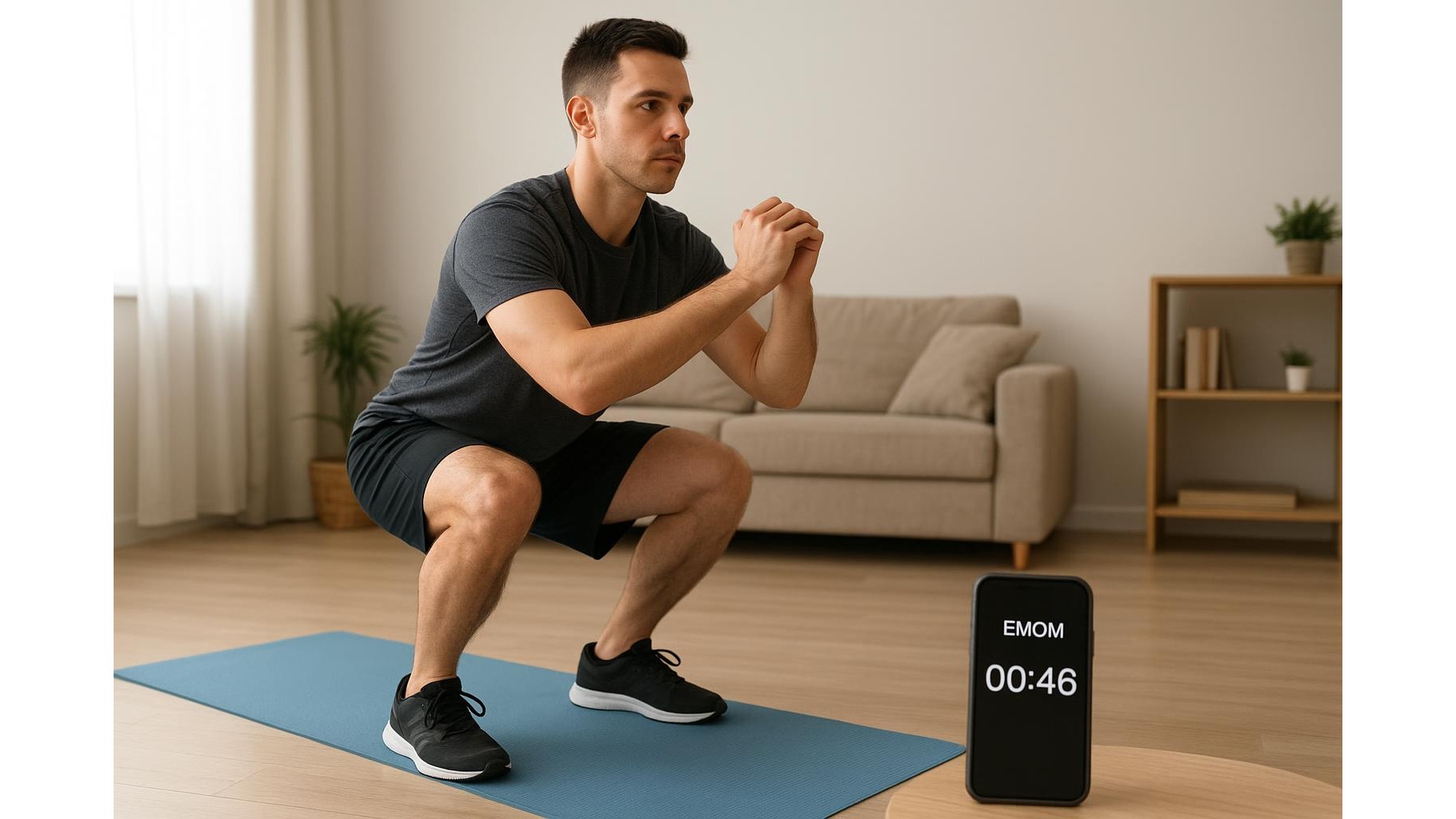
Research on women shows that creatine can support strength gains, power output and even aspects of cognitive performance. For women training at home, this means you may squeeze more progress out of short sessions: an extra rep on your goblet squats, better performance in EMOM circuits, or holding challenging yoga poses with less fatigue. Studies also suggest potential benefits for bone health and healthy ageing when creatine is combined with resistance training, which is especially relevant if you are building a long‑term home training habit through your 30s, 40s and beyond.
Simple dosing rules without the confusion
You do not need complicated loading schemes to benefit from creatine. A straightforward, evidence-based approach is to take 3–5 g of creatine monohydrate once per day, every day, with water or a meal. You can skip the high loading doses if you prefer; muscle stores will still saturate over a few weeks. Timing is flexible: morning, pre‑workout or post‑workout all work, as long as you are consistent. Most healthy women tolerate this dose well, but staying well hydrated and, if needed, starting at 2–3 g for a week can reduce minor digestive discomfort in sensitive individuals.
How to fit creatine into a home training routine
To get the most out of creatine in a home gym routine, pair it with progressive resistance training 2–4 times per week. Focus on big movements like squats, lunges, hip hinges, push‑ups, rows and presses, and aim to gradually increase either the load, the number of reps, or the total sets. Creatine will help you do a little more work over time, but the real driver of results is your training structure and adherence. Combine this with adequate protein intake, sleep and a generally active lifestyle, and creatine becomes a small, low‑cost tool that amplifies the work you are already doing at home.
Is creatine safe for women?
In healthy individuals, long‑term use of creatine monohydrate at standard doses is considered very safe, with decades of studies backing its use. If you have pre‑existing kidney issues or other medical conditions, you should always consult your healthcare professional before starting any supplement. For most women, routine blood work and normal kidney function mean creatine can be used confidently as part of a comprehensive home fitness plan. Choosing a plain, additive‑free creatine monohydrate powder and using it consistently is usually more important than picking any specialised “women‑only” product.
For women training primarily at home, creatine is not a magic shortcut, but it is one of the most reliable, well‑researched tools to enhance strength, performance and muscle tone without sacrificing a lean, athletic look. By understanding the real science behind creatine, ignoring myths about bulkiness and bloat, and following simple dosing rules, you can decide whether this supplement fits your goals. If your priorities are getting stronger, feeling more energetic in your workouts, and supporting long‑term health, creatine deserves serious consideration in your home training routine.