Creatine is one of the most researched supplements for strength and muscle gains, and it fits perfectly into a simple home gym routine. Used correctly, it can improve performance in short, intense efforts such as heavy lifts, kettlebell work or bodyweight power training. This guide explains how creatine works, how to dose it safely, when to take it, common side effects and myths, plus how to integrate it into a minimal supplement stack you can manage easily at home.
Table of contents
What creatine is and why it helps home athletes
Creatine monohydrate is a compound stored in your muscles and used to rapidly regenerate ATP, the main energy currency for short, explosive efforts. For home lifters doing sets of 5–12 reps, sprints on a bike, or circuit training, higher muscle creatine levels mean you can usually squeeze out an extra rep or maintain power for longer sets. Over weeks and months, that small performance edge often leads to greater muscle mass and strength. Research consistently shows that, combined with resistance training, creatine increases lean mass, improves high‑intensity performance and may even support cognitive function and recovery.
How to dose creatine safely at home
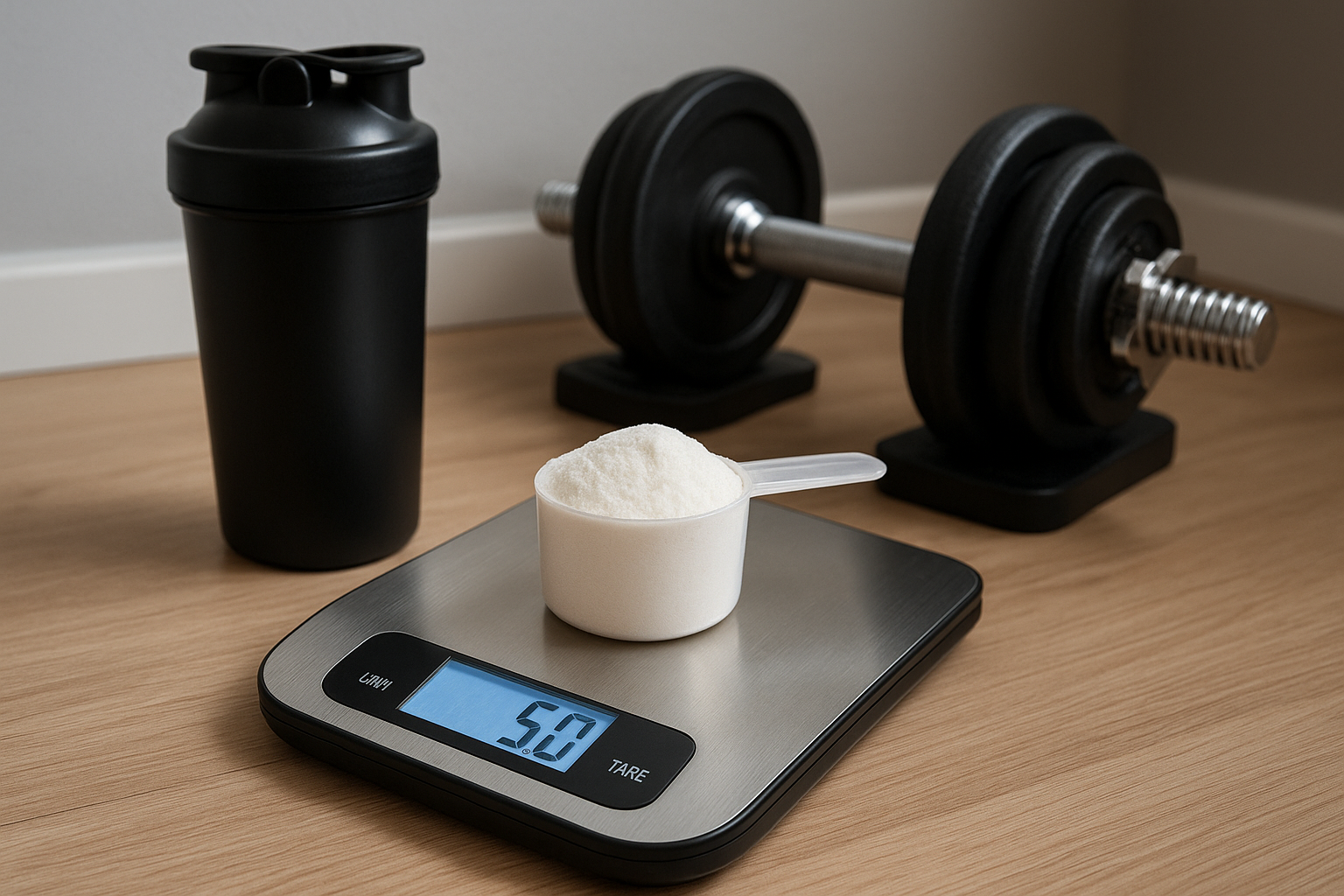
The simplest and safest protocol for most home athletes is a steady daily dose of 3–5 g of creatine monohydrate. You do not need a loading phase; muscle stores will saturate over several weeks with consistent intake. Measure your dose with a small scale or the scoop provided, and mix it with water or any non‑acidic drink. Take it every day, not just on training days, to keep muscle levels stable. People with kidney disease or other medical conditions should speak with a healthcare professional before using creatine, but in healthy individuals, long‑term studies using standard doses have not shown harmful effects.
Best timing and how to combine creatine with workouts
Timing is less important than daily consistency. You can take creatine at any time of day that you can stick to, such as with breakfast. Some evidence suggests a slight benefit when taken around workouts, especially with a meal that contains carbs and protein, because insulin may help creatine uptake into muscle. For home training, an easy option is to mix your creatine into a post‑workout shake or a glass of juice after your session. On rest days, keep the same routine so you do not forget it. The key is never missing days: consistent intake maintains saturated muscle stores and supports ongoing strength and muscle gains.
Side effects, myths and who should be cautious
The most common side effect is a small increase in body weight from water retention inside the muscle, typically 0.5–1.5 kg, which is not fat gain. Some people experience mild stomach discomfort if they use very large doses or take creatine on an empty stomach; splitting the dose or taking it with food usually solves this. Myths that creatine damages kidneys, causes hair loss, or is a steroid are not supported by current evidence in healthy users at standard doses. However, if you have existing kidney issues, are pregnant, or take medications that affect kidney function, you should get medical advice before starting creatine. Drinking adequate water throughout the day is also recommended.
Building a simple supplement routine with creatine
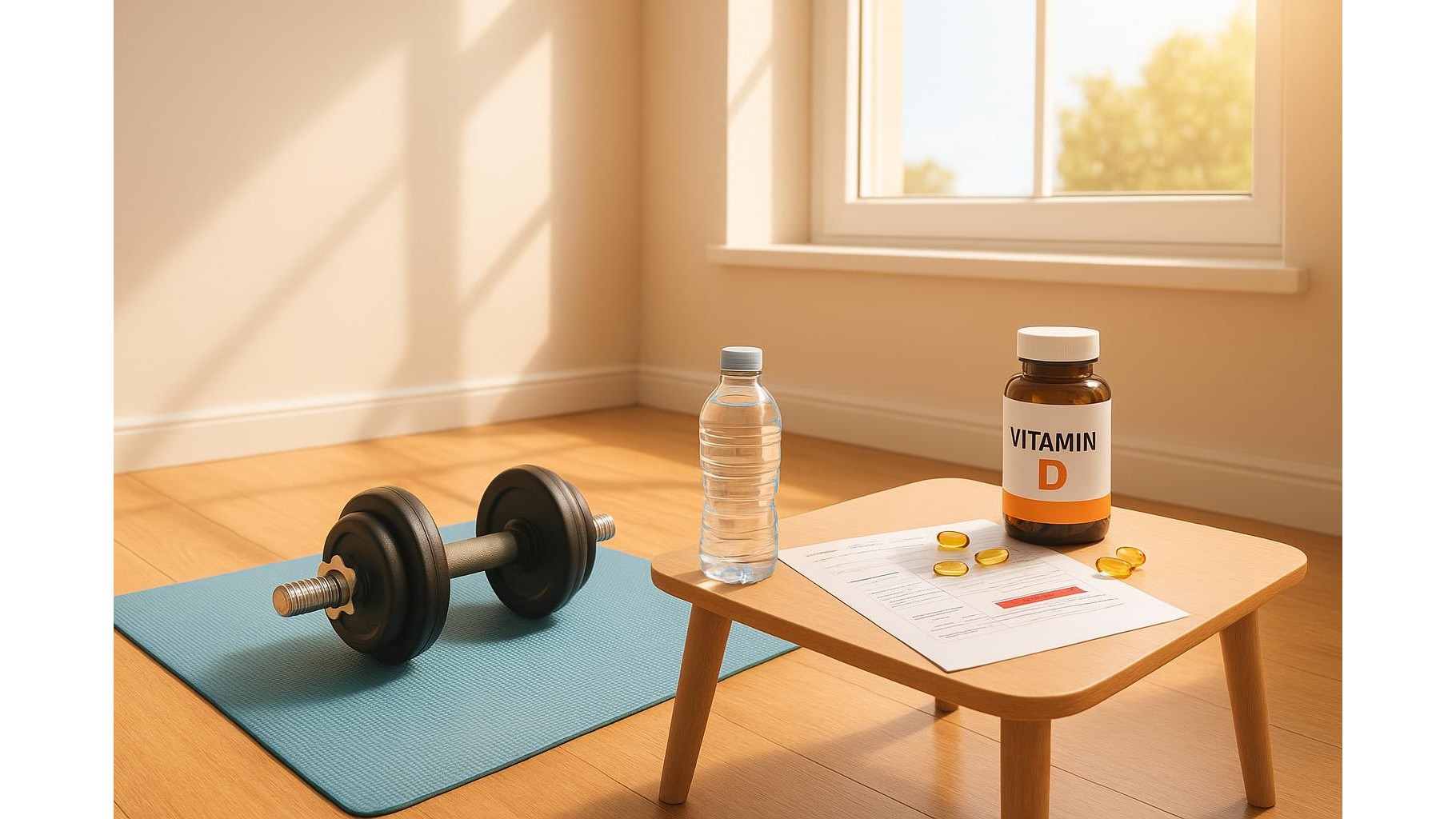
For most home lifters, a minimal, effective stack is creatine monohydrate, a basic whey or plant protein, and possibly vitamin D and omega‑3 if your diet is low in these. Take 3–5 g of creatine daily, ensure you reach your protein target through food and shakes, and keep your training structured: progressive overload, enough sets per muscle group, and adequate recovery. Supplements cannot fix poor sleep or an inconsistent program, but when the fundamentals are in place, creatine provides a reliable extra boost to strength, power and muscle growth in your home gym setting.
Used correctly, creatine is a safe, affordable and well‑researched ally for home athletes who want better performance and physique results. Focus on consistent daily dosing, solid nutrition, and progressive training. Combined, these habits will help you build more strength and muscle from your home workouts with minimal complexity and maximum return.