Training consistently in your home gym demands steady energy, good recovery and a heart that can keep up with your workouts. Among the many supplements marketed to support these goals, Coenzyme Q10 (CoQ10) often stands out. But can CoQ10 really help home athletes feel less fatigued and recover faster, or is it just another overhyped capsule? This article breaks down what CoQ10 is, how it works in the body, who might benefit, and how to use it safely while ignoring the marketing noise.
What is CoQ10 and how does it work?
CoQ10 is a vitamin-like compound that your body naturally produces and stores in cell membranes, especially in energy-hungry tissues like the heart, muscles and brain. Its primary role is to help your mitochondria – the cell’s “power plants” – generate ATP, the basic unit of cellular energy. CoQ10 also acts as a fat-soluble antioxidant, helping protect cells from oxidative stress generated during intense training. Levels of CoQ10 tend to decline with age, certain medications (like statins) and chronic health issues, which may contribute to fatigue and reduced exercise tolerance. Supplementing CoQ10 aims to restore or boost these levels so your body can produce and use energy more efficiently during workouts.
Potential benefits for home athletes
For home trainees who are pushing through resistance training, HIIT or long cardio sessions, CoQ10 may offer several potential advantages. By supporting mitochondrial function, it can help maintain steadier energy during sets and reduce the feeling of early fatigue. Its antioxidant effect may help limit exercise-induced muscle damage, which in turn can support quicker recovery and less post-workout soreness. Some studies suggest modest improvements in endurance performance and perceived exertion, especially in older adults or people with low baseline CoQ10. While it is not a stimulant and will not give a “pre-workout buzz”, CoQ10 can be a quiet background supporter of consistent, sustainable training volumes, particularly for home lifters training four or more times per week.
Who might benefit most from CoQ10?
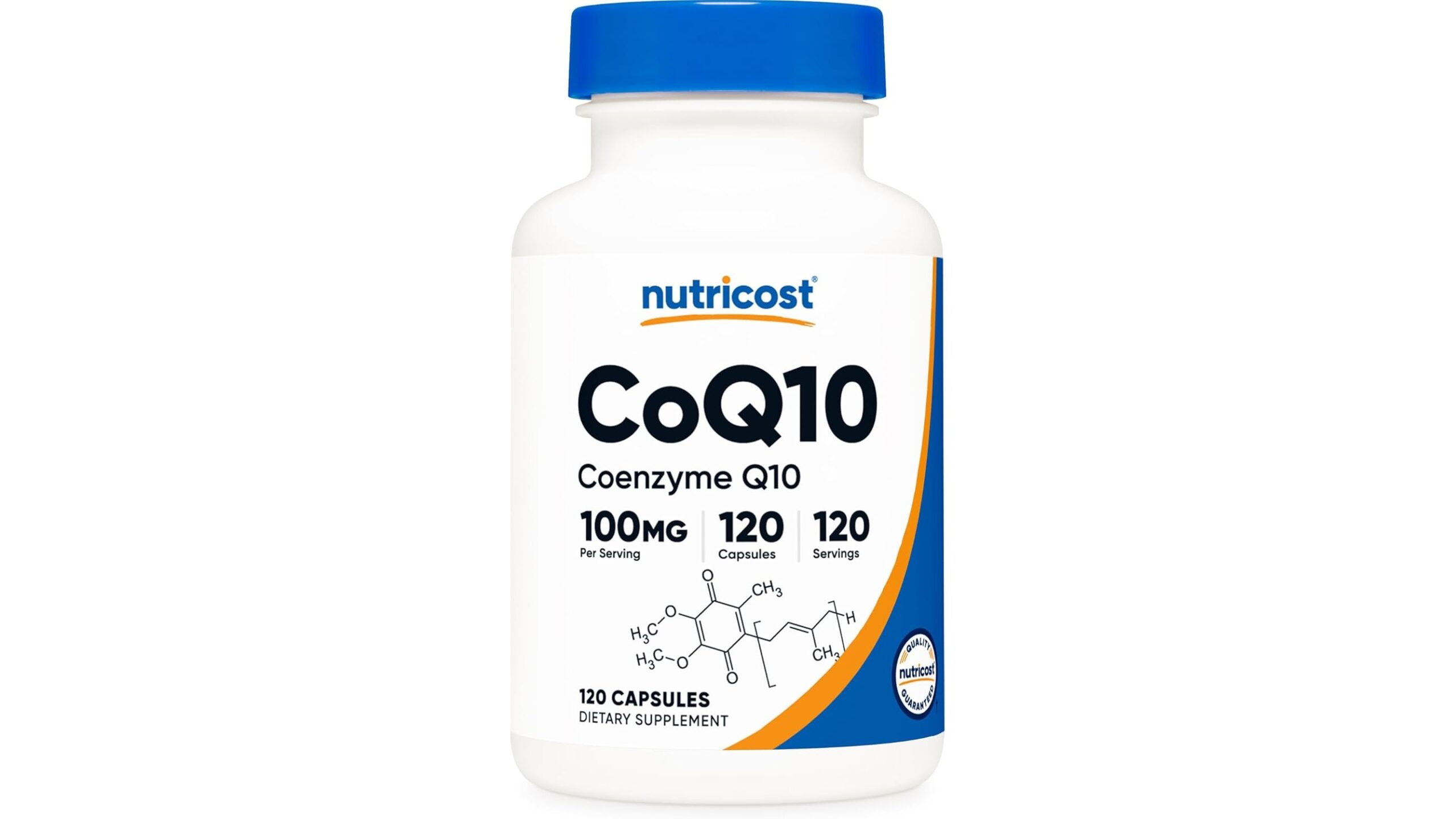
Not every home athlete needs a CoQ10 supplement. Younger, healthy individuals with balanced diets may already have adequate levels. However, certain groups could see more noticeable benefits. These include adults over 35–40 whose natural CoQ10 production is declining, people taking statin medications (which can lower CoQ10 levels), and lifters who report persistent fatigue despite solid sleep and nutrition. For those looking for a straightforward, cost-effective product, a widely used option is Nutricost CoQ10 100mg, 120 Vegetarian Capsules. It delivers 100 mg of CoQ10 per capsule, uses a vegetarian, non-GMO formula and offers 120 servings, making it suitable for long-term daily use without frequent reordering.
Dosage, timing and how to take CoQ10
For most home athletes, typical dosage ranges are about 100–200 mg per day. Products like Nutricost CoQ10 100mg, 120 Vegetarian Capsules are designed for simple daily use: take one capsule per day with water, ideally with a meal that contains some fat to support absorption. CoQ10 does not need to be taken right before training to work; it acts by building and maintaining adequate levels in your tissues over time. Consistency over weeks is more important than exact timing around your workout. If you’re combining CoQ10 with other supplements (like creatine, omega-3 or a multivitamin), it’s usually fine to take them together, but always consider your overall regimen and check with a healthcare professional if you have any medical conditions.
Safety, side effects and realistic expectations
In healthy adults, CoQ10 is generally considered safe and well tolerated. Most people experience no side effects at standard doses, though occasional mild digestive discomfort can occur. It is important not to view CoQ10 as a cure-all for poor programming or weak lifestyle habits: it cannot replace structured training, sleep or a decent diet. If you are on prescription medications, especially blood thinners or statins, talk to your doctor before starting supplementation. Also, avoid megadoses unless specifically supervised; higher is not always better and will not magically double your strength or VO2 max. Think of CoQ10 as a supportive tool in a broader performance and recovery toolkit, not as the foundation.
In summary, CoQ10 is a well-researched supplement that supports cellular energy production and offers antioxidant protection, making it a sensible consideration for many home athletes, especially older trainees and those on specific medications. A straightforward product like Nutricost CoQ10 100mg, 120 Vegetarian Capsules provides a practical dose and good value without unnecessary extras. Used consistently, CoQ10 may help you feel more sustained energy and smoother recovery, but its effects are subtle and work best when combined with smart programming, adequate protein intake and solid sleep. Approach it as one more piece of a balanced home training strategy, and be wary of any claims that promise instant performance transformation.