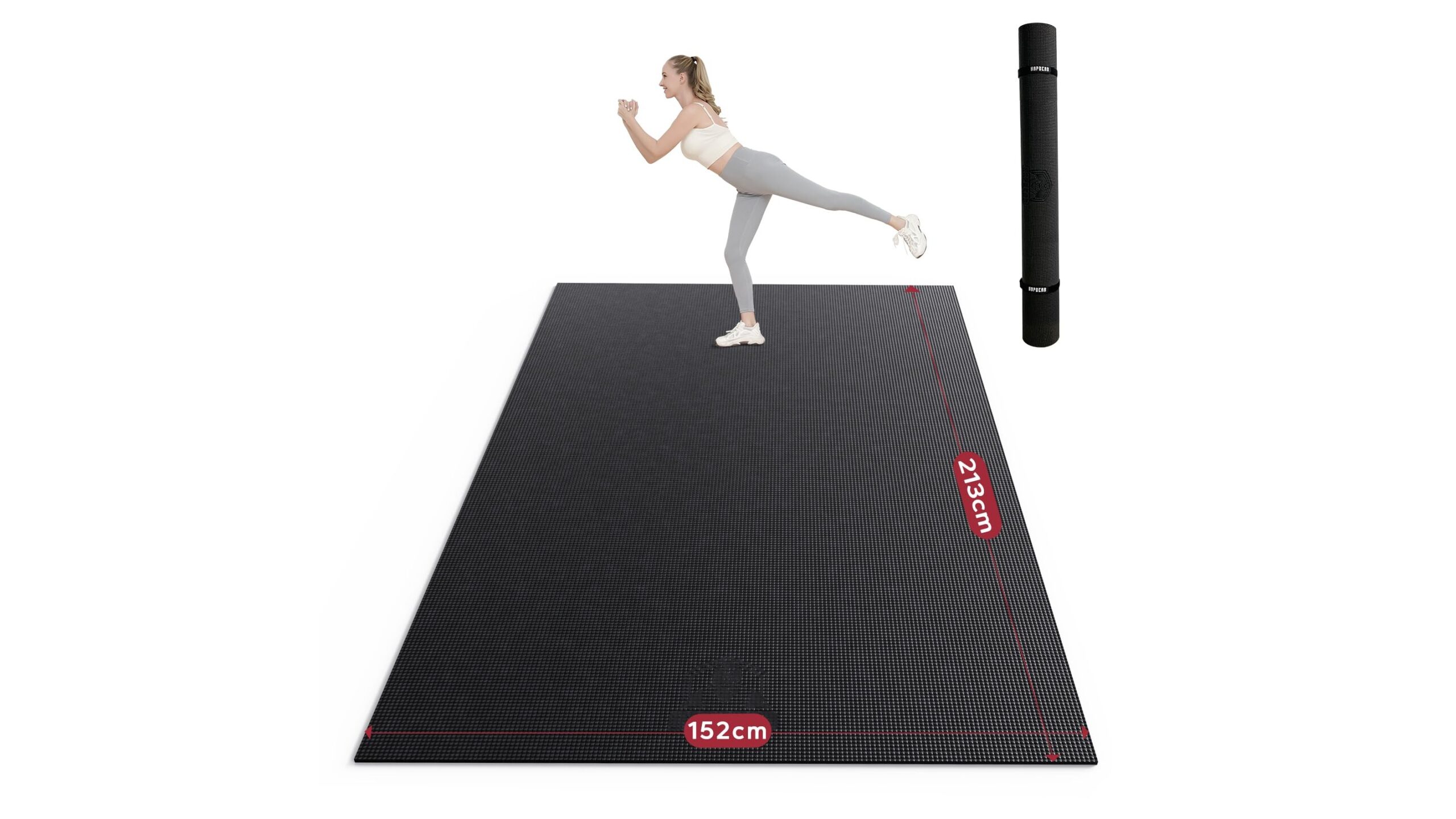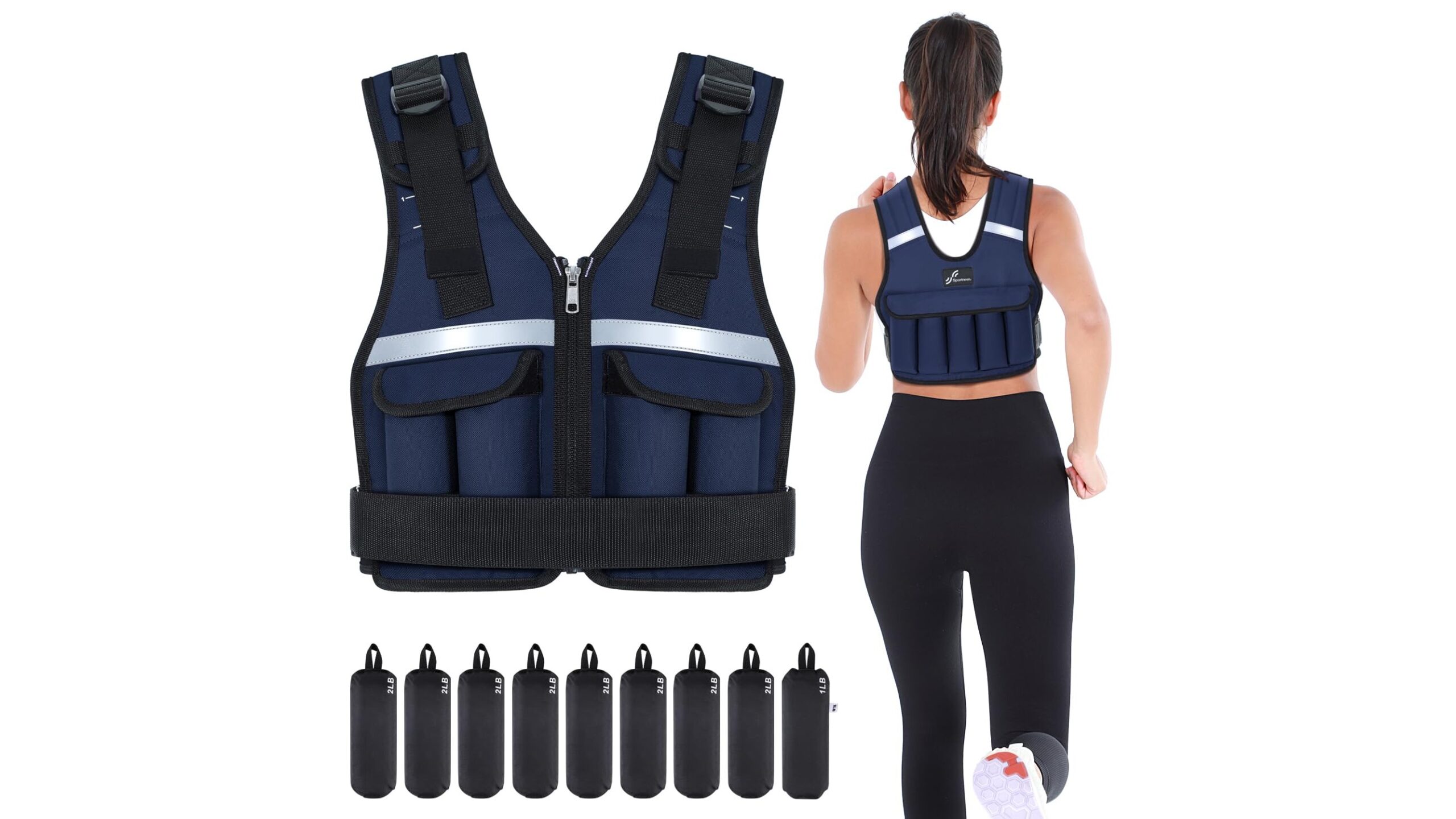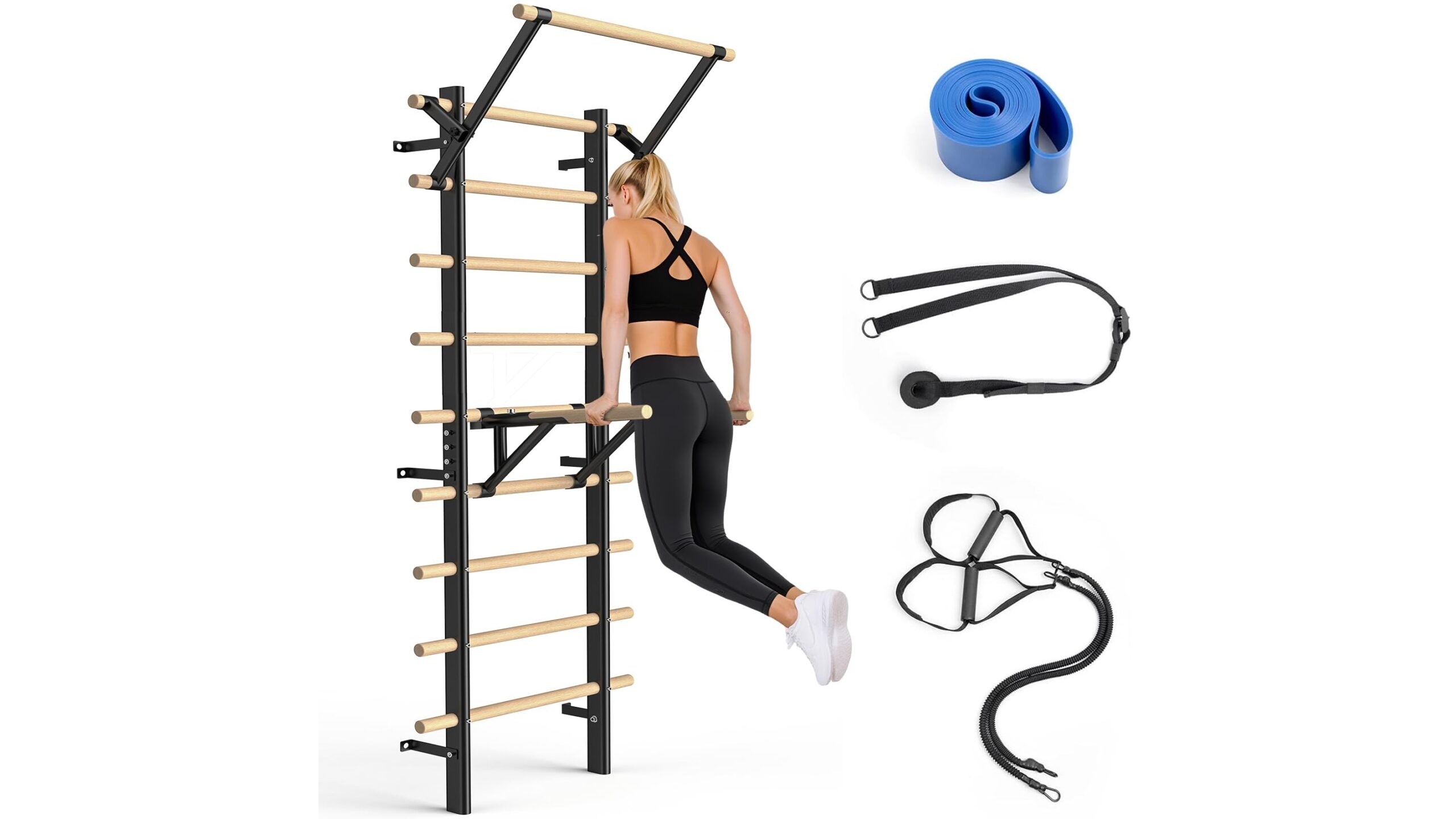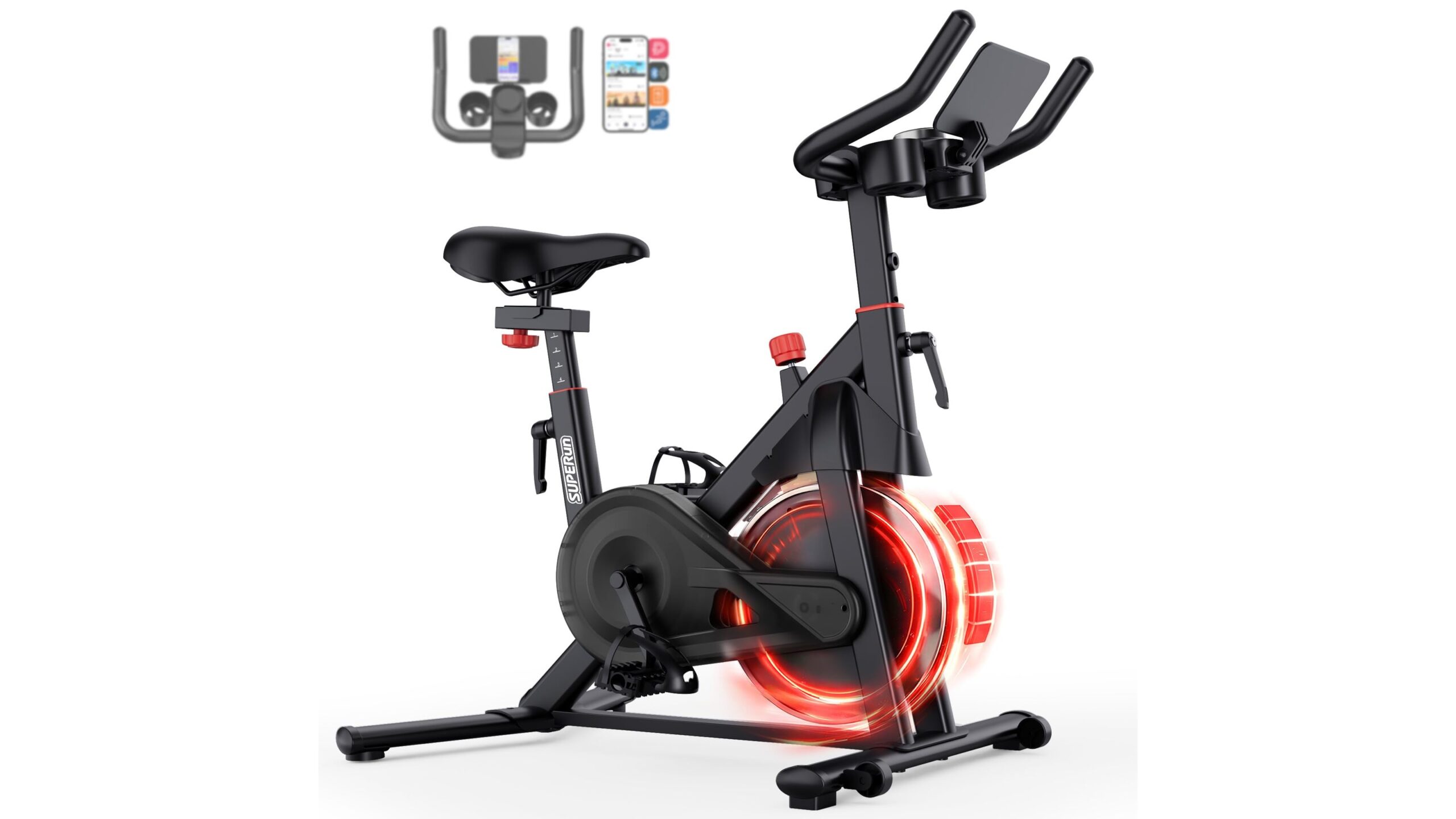
Training at home puts your body under the same mechanical stress as the gym: joints take the impact of squats and jumps, while muscles need enough protein to recover and grow. Two popular supplements for home trainees are collagen and whey protein. Rather than competing, they can work together: collagen supports joints, tendons and connective tissue, while whey drives muscle repair and hypertrophy. Understanding how each works, and how to time them, helps you build a sustainable home training routine.
Table of contents
What collagen actually does for home athletes
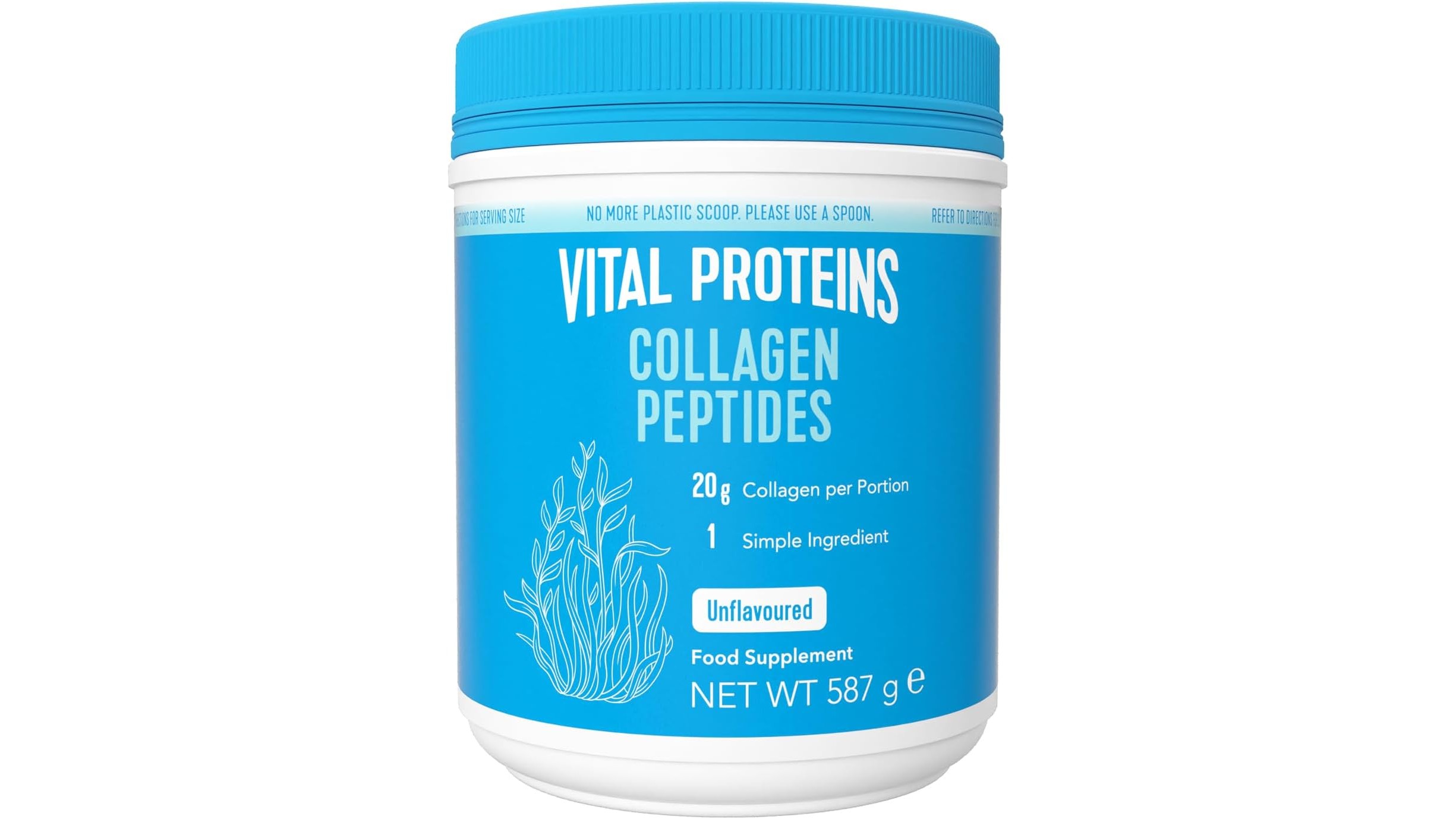
Collagen is the main structural protein in your tendons, ligaments, cartilage and skin. A high-quality collagen supplement, such as Vital Proteins Collagen Peptides Powder Supplement (Type I, III), Unflavoured, provides hydrolysed collagen peptides that are easier to absorb. Each serving delivers around 20 g collagen, is gluten free and non-GMO, and is designed to support hair, skin, nails and joint comfort. For home athletes who repeat the same movements (like daily push-ups, kettlebell swings or skipping), this kind of collagen can help maintain connective tissue resilience and may reduce morning stiffness when taken consistently.
Why whey remains the foundation for muscle recovery
While collagen supports the “scaffolding” of your body, whey protein targets muscle protein synthesis. A staple option for many home trainees is Myprotein Impact Whey Protein Powder | Unflavoured – 1 kg. It provides about 21–23 g of whey protein with BCAAs per serving, is low in fat and carbs, and is designed to build lean muscle and speed recovery. Whey is rich in essential amino acids that collagen lacks, especially leucine, which acts as a trigger for muscle building. For home athletes doing resistance training with dumbbells, bands or bodyweight, whey is the most efficient way to hit daily protein targets without adding too many calories.
How collagen and whey complement each other
Collagen and whey are not interchangeable: they play different roles in your adaptation to training. Whey protein is ideal for post-workout recovery and muscle gain, while collagen peptides are better viewed as a joint and connective tissue support supplement. Combining a collagen product like Vital Proteins Collagen Peptides with a complete protein such as Myprotein Impact Whey gives you a broader amino acid profile: glycine, proline and hydroxyproline from collagen for tendons and cartilage; leucine, isoleucine and valine from whey for muscle repair. For home athletes who train frequently on hard floors or do high-impact circuits, this pairing can help balance performance gains with long-term durability.
Practical timing: when to take collagen and whey at home
For timing, think about the tissue you want to support. Collagen appears most useful when taken away from large mixed meals and, for joint support, often 30–60 minutes before training. Many users mix unflavoured collagen into morning coffee, tea or water, which fits easily into a home routine. Whey protein is best taken when your muscles are most receptive to amino acids: within about 1–2 hours after training. A simple strategy is: collagen in your pre-workout drink or mid-morning beverage, and whey as a post-workout shake with water or milk. On rest days, keep a similar pattern to maintain a steady supply of amino acids for tissue repair.
Daily dosage guidelines for home trainees
For most home athletes, a realistic target is 10–20 g collagen per day and enough whey or other complete protein to bring total daily protein to around 1.6–2.2 g per kg of bodyweight (from food plus shakes). With Vital Proteins Collagen Peptides, that typically means one standard serving (about 20 g) daily, possibly split into two smaller doses. With Myprotein Impact Whey, many users take 1 scoop (around 20–25 g protein) post-workout, increasing to 2 scoops per day only if regular meals don’t supply enough protein. Always check the label of each product and adjust servings to your calorie needs, training frequency and any guidance from a healthcare professional.
Used together in a thoughtful way, collagen and whey protein can support both the structure and the engine of your body. Collagen peptides such as Vital Proteins Collagen Peptides Powder Supplement focus on joint, tendon and skin health, while a complete protein like Myprotein Impact Whey Protein supports muscle recovery, strength and lean mass. For home athletes who want to train harder without sacrificing longevity, combining these two supplements with consistent training, good sleep and balanced nutrition offers a simple, effective strategy.