
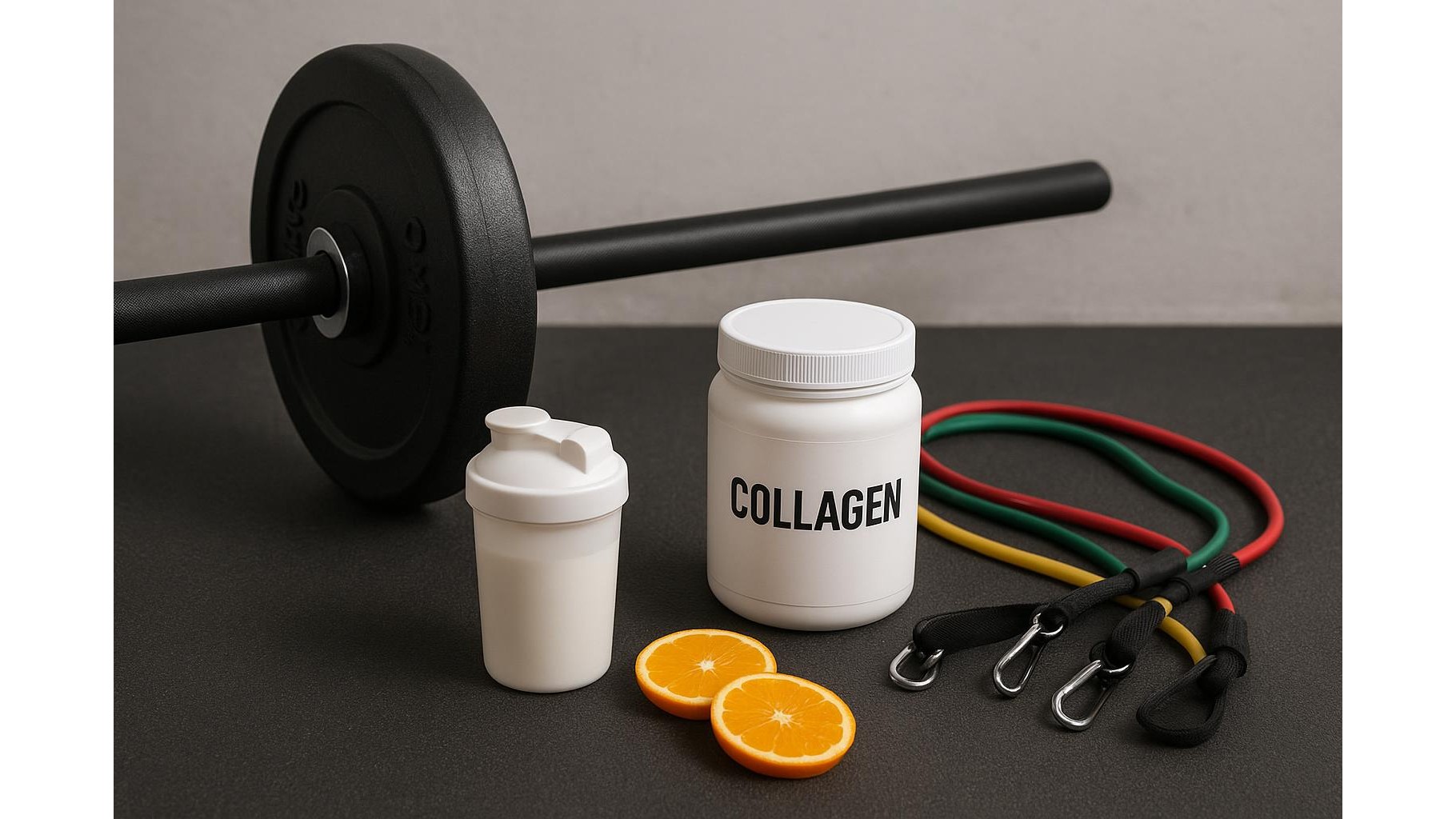
Home lifters obsess over programming, load, and recovery, but many overlook the role of collagen and vitamin C in keeping joints and tendons healthy. When you train hard in a home gym with limited equipment, you often repeat the same movement patterns, which can stress connective tissues. This has led many lifters to experiment with collagen plus vitamin C as a budget-friendly way to support tendons and ligaments. But does timing really matter, and how do you build a simple, effective stack without overcomplicating your routine?
Why Collagen and Vitamin C Matter for Home Lifters
Collagen is the main structural protein in tendons, ligaments, and cartilage. When you lift, you create micro‑damage not only in muscle but also in these connective tissues. Unlike muscle, tendons have a low blood supply and recover more slowly. Vitamin C is a key co‑factor in collagen synthesis, helping your body cross‑link collagen fibers and maintain strong, resilient tissues. For a home lifter who squats, presses, and pulls multiple times per week, supporting this repair process can make the difference between steady progress and nagging joint pain. You do not “build” tendons overnight, but consistent intake of collagen plus vitamin C may help long‑term tendon adaptation, especially under progressive loading.
Does Timing Around Workouts Really Matter?
Emerging research suggests that timing may matter more for connective tissue than for muscle protein synthesis. Studies on gelatin and collagen show that taking around 15 g of collagen with 50–100 mg of vitamin C roughly 30–60 minutes before loading a tendon (for example, squats, presses, skipping, or specific rehab drills) can temporarily increase the availability of collagen‑building amino acids and markers of collagen synthesis in the tissue being trained. The idea is simple: provide the building blocks and co‑factors right before you mechanically stimulate the tendon. For home lifters, that might mean mixing your collagen plus vitamin C in water and drinking it about half an hour before your main strength session. Perfect precision is not required, but being roughly consistent with pre‑workout timing appears more useful than taking collagen at random times of day.
Practical Dosing and a Simple Home Supplement Stack
Most evidence‑based protocols land in the 10–15 g range for collagen peptides or gelatin, paired with at least 50 mg vitamin C (a small orange or a low‑dose supplement easily covers this). Many commercial collagen powders already include vitamin C, but you can also combine plain collagen with a basic vitamin C tablet or food source. A simple, budget‑conscious home stack might look like this: 10–15 g collagen powder in water, plus 100–200 mg vitamin C, taken 30–60 minutes before 3–5 key strength sessions per week. There is no strong evidence that megadoses are better; consistency over weeks and months is more important. For overall joint health, you can still get additional vitamin C from fruits and vegetables and keep your supplement approach minimal and cost‑effective.
Who May Benefit Most from Collagen Plus Vitamin C?
Collagen plus vitamin C is not a magic fix, but certain groups of home lifters may notice more benefit. Lifters over 30 who train heavy with barbells, dumbbells, or resistance bands often accumulate minor tendon irritation in the knees, elbows, or shoulders; for them, connective tissue support becomes as important as muscle gain. Those returning from tendon injuries (under the guidance of a physio) may use collagen plus vitamin C as an adjunct to structured rehab exercises. Beginners doing high‑rep bodyweight work, skipping, or kettlebell swings may also find it useful while their tendons adapt to new loads. However, anyone with existing joint disease or on medication should speak with a healthcare professional before making collagen a daily habit, especially if they have allergies to bovine, marine, or other collagen sources.
How to Integrate Collagen into a Real‑World Home Routine
The key is to fit collagen and vitamin C into your existing home workout habits, not the other way around. Choose a time you reliably train—morning, lunch, or evening—and make your collagen drink part of the pre‑session ritual. For example, finish work, mix collagen with water or juice, add your vitamin C source, then start your warm‑up. You do not need fancy recipes: plain powder in a shaker is enough. Combine the supplement with smart training practices: progressive loading, proper warm‑ups, deliberate tendon‑focused work (like slow tempo calf raises or isometric holds), and enough rest days. Collagen cannot compensate for poor technique, reckless volume jumps, or chronic sleep deprivation, but it can be one more low‑effort tool in a well‑structured home training system.
In summary, collagen plus vitamin C can be a practical, budget‑friendly way for home lifters to support joints and tendons, especially when combined with consistent strength work. The evidence we have suggests that timing your dose roughly 30–60 minutes before loading the target tissues may enhance collagen synthesis, making pre‑workout use more purposeful than random intake. A moderate daily dose, taken regularly around key sessions, and integrated into a realistic home routine is likely to beat complicated stacks or sporadic megadoses. Used alongside smart programming, solid nutrition, and adequate recovery, collagen plus vitamin C can help keep you lifting productively in your home gym for the long term.









