For home lifters chasing strength without wrecking their bodies, joint and tendon resilience is as important as muscle growth. Collagen has become a go-to supplement for joint health, but there is confusion around the best way to use it: big pre-workout doses or small daily sips? In this guide, we break down the science of collagen loading vs daily micro-dosing and show how to integrate these strategies into a realistic home training routine.
Table of contents
What collagen actually does for joints and tendons
Collagen is the main structural protein in tendons, ligaments and cartilage. It provides tensile strength and helps tissues handle repeated loading from squats, presses and pulls in your home gym. When you ingest collagen peptides, they are broken down into amino acids and collagen-derived peptides (like glycine, proline and hydroxyproline) that can accumulate in connective tissue and support repair. Research suggests that taking collagen alongside vitamin C around 30–60 minutes before loading a joint may enhance collagen synthesis in that area. This is the basis for the collagen loading strategy used by many athletes rehabbing tendons or pushing high-volume training.
[h2_placeholder_removed]
Collagen loading: strategic pre-workout dosing
Collagen loading means taking a larger, targeted dose before sessions that stress specific joints or tendons. A typical evidence-based protocol uses around 10–15 g of hydrolysed collagen peptides with 50–100 mg of vitamin C, taken 30–60 minutes before training. The goal is to raise blood levels of collagen-related amino acids right when you load the tissue with heavy lifts, jump work or plyometrics. This strategy can be useful if you are managing a cranky knee during squats, or trying to strengthen elbows and shoulders during pressing cycles. However, it works best as part of a complete plan including progressive loading, smart exercise selection and adequate recovery, rather than as a magic fix.
Daily micro-dosing: steady support for regular home training
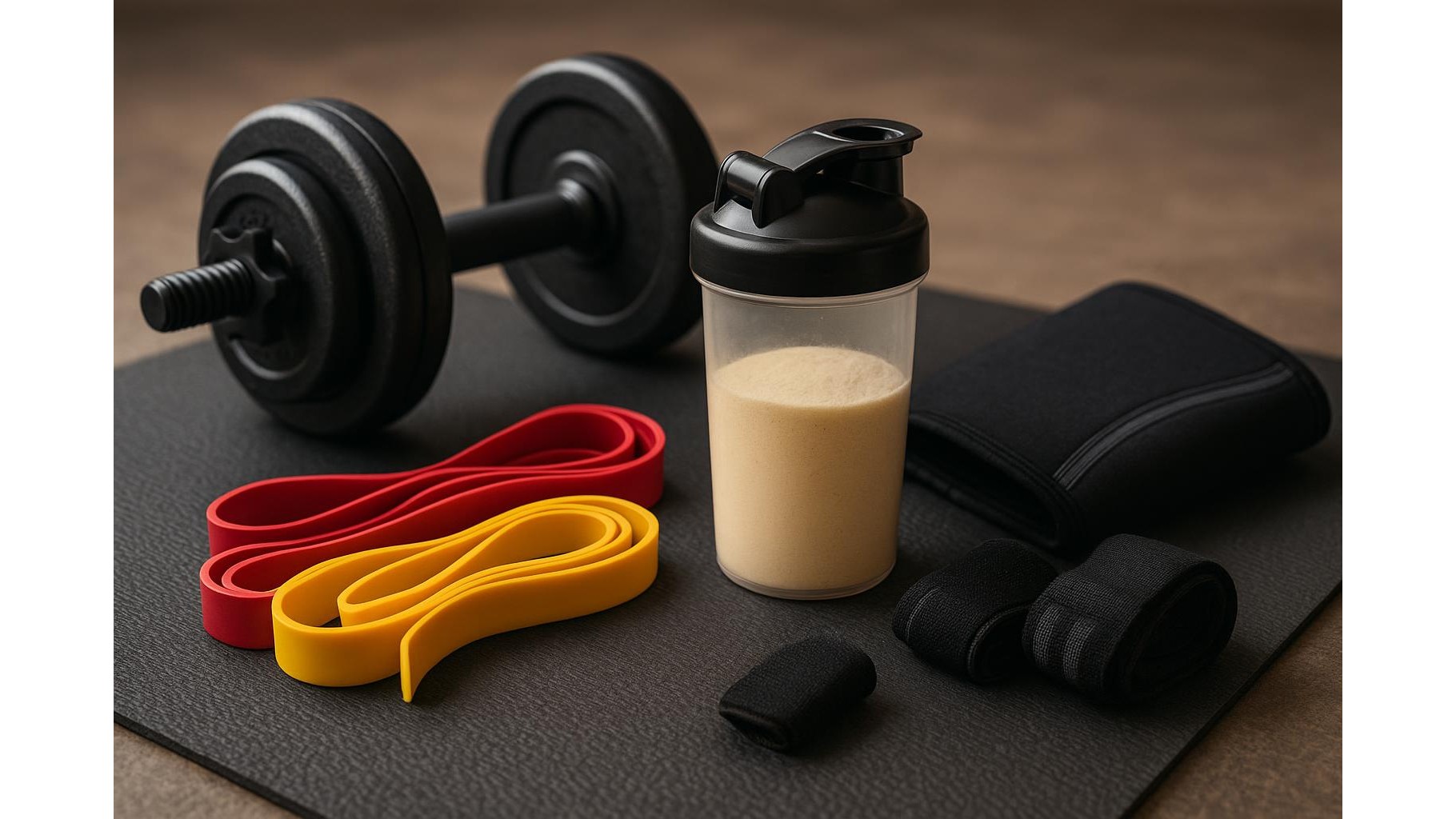
Daily micro-dosing is a lower, more frequent approach: instead of one big pre-workout serving, you spread smaller doses (for example 3–5 g of collagen peptides) once or twice across the day. This can be mixed into coffee, smoothies or post-workout shakes to support ongoing joint and tendon maintenance for lifters who train often at home but not always at max intensity. Micro-dosing is convenient and may improve long-term adherence because it feels less like a supplement “event” and more like part of your routine. While acute tendon studies usually use larger doses, consistent daily intake may still benefit connective tissues over weeks and months, especially combined with regular resistance training and adequate protein from whole foods.
Choosing a collagen supplement and timing it smartly
When selecting a collagen product for home lifters, look for hydrolysed collagen peptides with clear dosing information and no unnecessary fillers. Type I and III bovine or marine collagen are often used for joint and tendon support. Flavoured powders can work well for pre-workout collagen loading, while unflavoured options suit daily micro-dosing in drinks or oats. For heavy squat, deadlift or pressing days, consider a 10–15 g loading dose 30–60 minutes pre-session with a source of vitamin C, such as fruit or a small supplement. On lighter or rest days, you can shift to one or two smaller micro-doses. The key is consistency: connective tissue remodeling is slow, so think in terms of weeks and training blocks rather than quick fixes.
Which strategy is better for home lifters?
Both collagen loading and daily micro-dosing have a place in a smart home gym routine. If you are rehabbing a tendon issue or running a high-stress phase with lots of jumping or heavy barbell work, targeted loading around the most demanding sessions may be more impactful. If your goal is general joint comfort and resilience while training 3–5 times per week at moderate volumes, daily micro-dosing is simpler and easier to maintain. Many lifters combine the two: a steady base of daily collagen, plus larger doses on big lower- or upper-body days. Whatever you choose, remember that collagen works best alongside sound programming, good technique, sleep and overall protein intake.
In summary, collagen is not a magic shield, but an evidence-informed tool to support joint and tendon health in regular home training. By understanding the difference between collagen loading and daily micro-dosing, you can match your dosing strategy to your training cycle, injury history and lifestyle. Focus on consistency, pair collagen with smart strength work and recovery, and you can build a home lifting routine that keeps you strong and durable for the long term.