Training hard in a home gym puts repeated load on your joints, especially knees, shoulders and wrists. Many lifters turn to collagen supplements, vitamin C and other joint support formulas hoping for less pain and better resilience. Research does show some potential benefits, but only with the right dosage, timing and expectations. Here is what current science suggests for home lifters and bodyweight athletes.
Table of contents
How collagen works for lifters’ joints
Collagen is the main structural protein in tendons, ligaments and cartilage. Specific supplements made from collagen peptides provide amino acids like glycine, proline and hydroxyproline, which the body can use to support connective tissue. Research on athletes shows that around 10–15 g per day of collagen peptides, taken consistently for several months, can modestly improve joint comfort and function, especially in people with pre‑existing aches. For home lifters, collagen is not a magic fix, but a small extra tool alongside smart programming, good technique and appropriate load management.
Evidence-based dosing and timing strategies
Most clinical studies use 5–15 g of collagen peptides daily for at least 3–6 months. A practical protocol for home training is 10 g of collagen about 30–60 minutes before a strength or bodyweight session, combined with at least 50–100 mg of vitamin C. Vitamin C acts as a co‑factor for collagen synthesis, so pairing the two around your workout may enhance the joint‑building signal triggered by loading. You can also take collagen at another time of day, but keeping it close to training is a simple way to build the habit and align intake with the period of increased blood flow to joints and tendons.
Role of vitamin C and key micronutrients
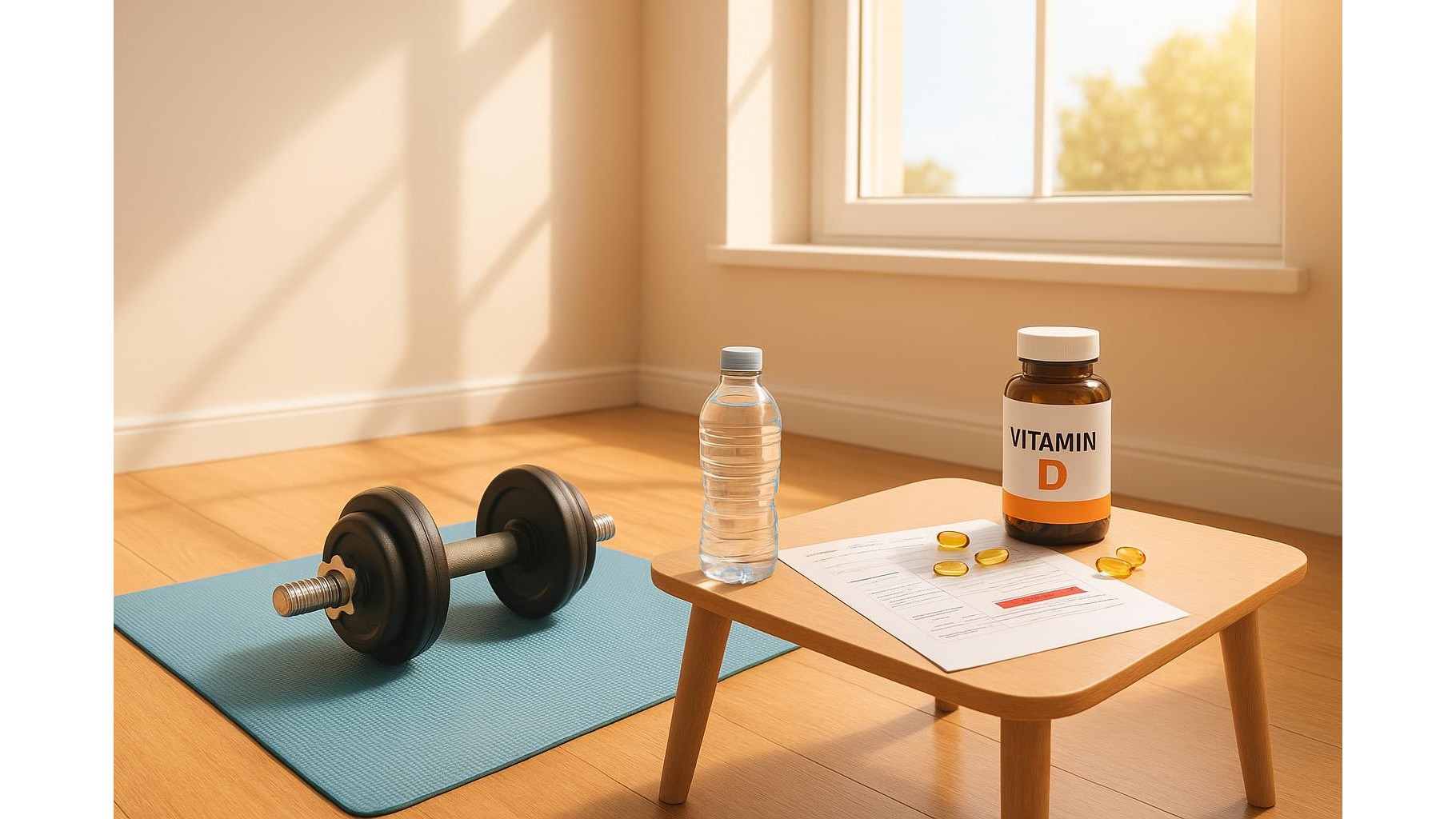
Beyond collagen itself, several micronutrients matter for joint health. Vitamin C is essential for collagen formation and also acts as an antioxidant, potentially reducing oxidative stress from heavy training. Daily intakes of 200–500 mg from food and supplements are usually sufficient for healthy adults. Adequate vitamin D and magnesium support muscle function and bone health, which indirectly protects joints. Some formulas add manganese, copper and zinc, which participate in connective tissue metabolism. For most home lifters, a balanced diet plus a basic multivitamin covers the bases, with collagen and vitamin C layered on top rather than replacing good nutrition.
What research really says about pain and performance
Controlled trials in active people show that collagen supplementation can deliver small but meaningful reductions in joint pain, particularly in knees, after several months of use. These benefits appear larger in those with existing discomfort than in completely pain‑free athletes. Evidence for direct improvements in strength or muscle gains is weak; collagen is not a replacement for whey or other complete proteins, because it is low in essential amino acids like leucine. The realistic expectation is improved comfort during and after training, slightly better tolerance to volume, and possibly reduced risk of flare‑ups when training consistently—not dramatic performance boosts.
Choosing and using collagen at home
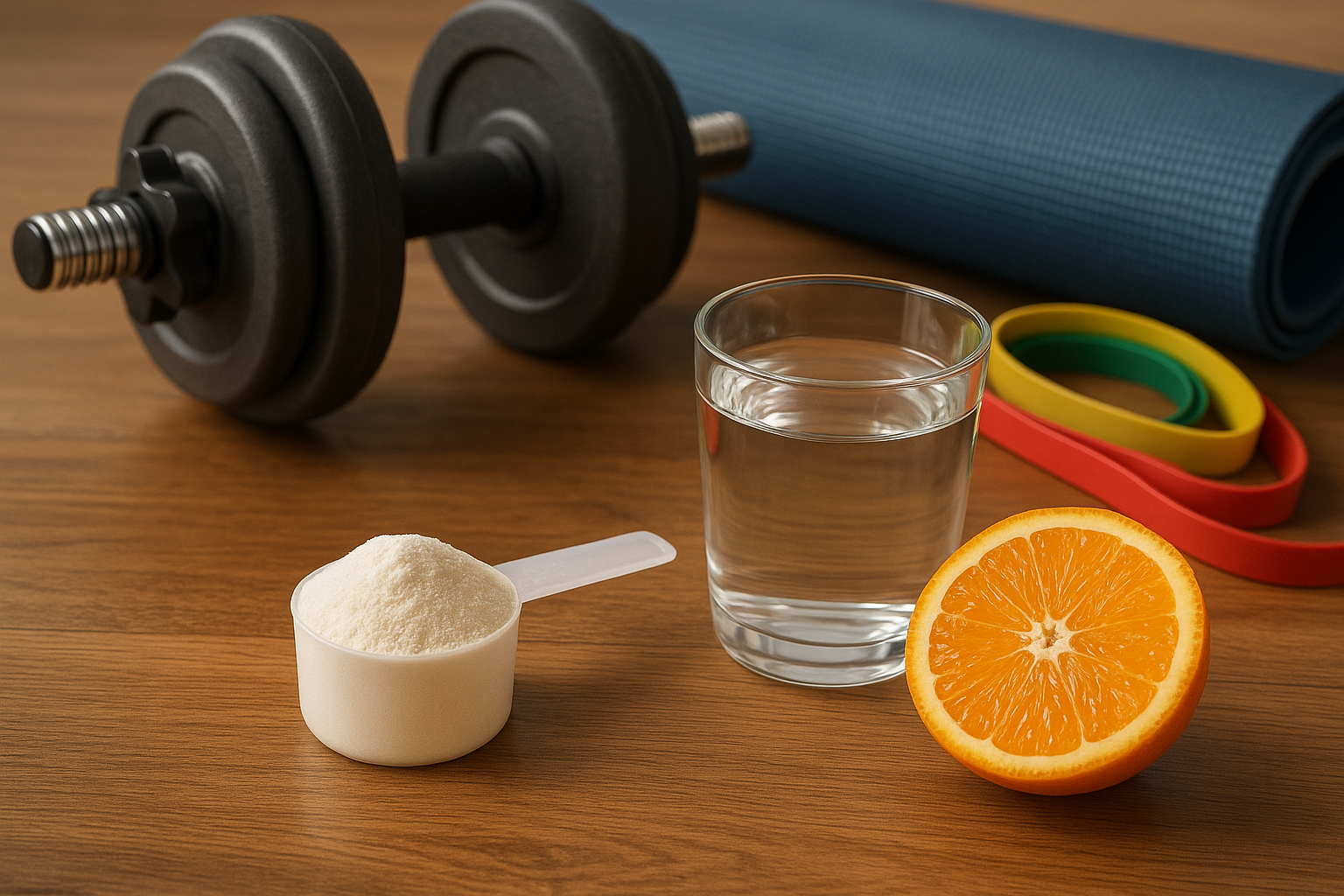
When selecting a collagen supplement, prioritise collagen peptides (often labelled “hydrolysed collagen”) with a clear dose per serving and minimal fillers. Flavour and mixability matter if you plan to take it daily. Many lifters simply stir collagen powder into coffee, tea or a pre‑workout drink and add a separate vitamin C tablet or a small glass of orange juice. Focus first on nailing the fundamentals: progressive overload, technique, sleep and overall protein intake. Then, view collagen, vitamin C and joint‑support micronutrients as an adjunct to a solid training plan rather than a shortcut around poor habits or excessive loading.
For home lifters, the smartest joint strategy combines structured programming, gradual progression and adequate recovery with targeted collagen and micronutrient support. Research suggests that 10–15 g of collagen peptides plus 50–100 mg of vitamin C, taken consistently and ideally near training, can modestly improve joint comfort over months, especially if you already have aches. However, no supplement can compensate for poor technique, too much volume or chronic sleep debt. Use collagen as a supportive tool, keep expectations realistic, and let long‑term, joint‑friendly training habits do most of the heavy lifting.