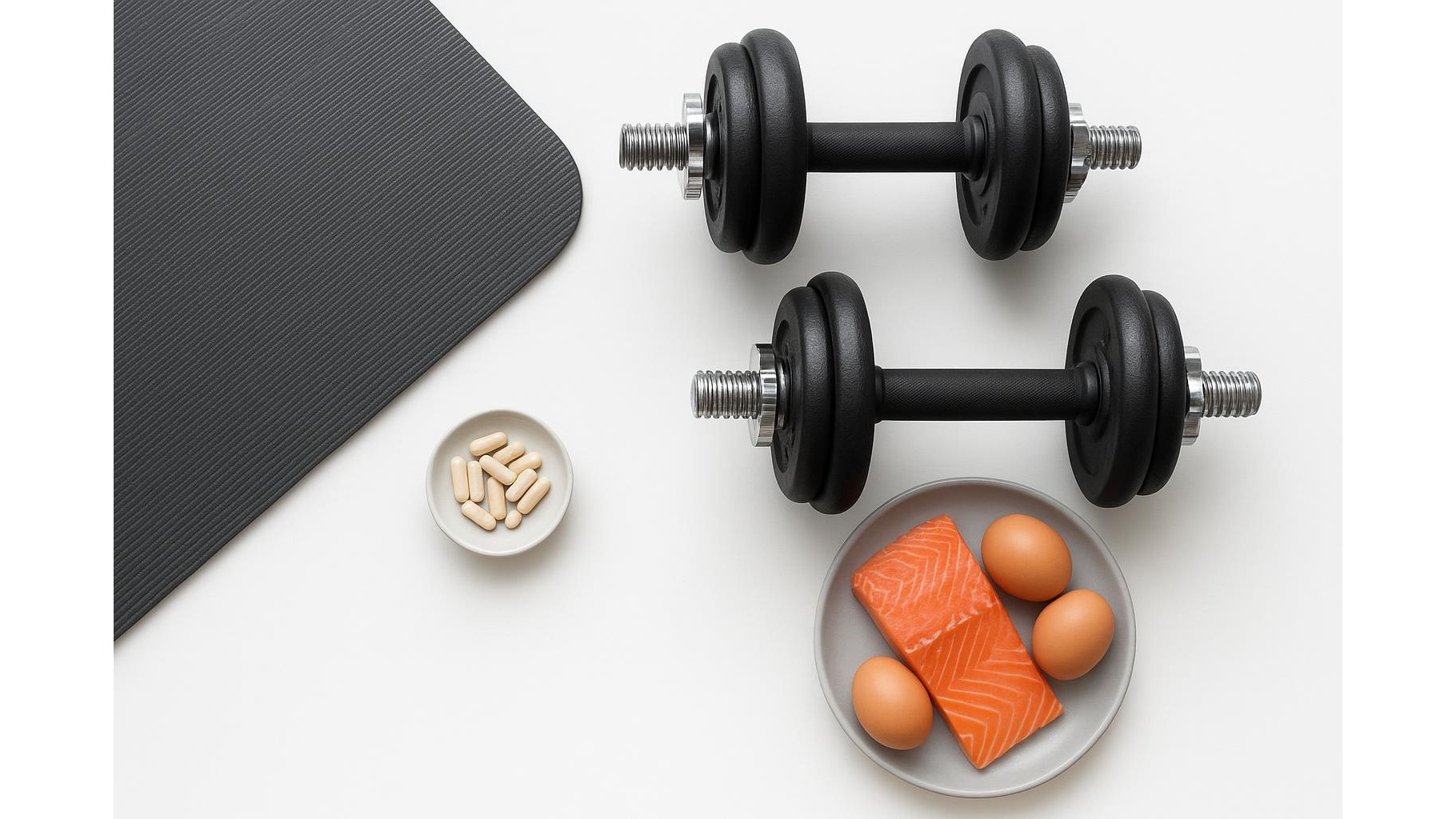
Choline is an often-overlooked nutrient that can play a meaningful role in how you feel and perform when you train at home. While it is not a stimulant like caffeine, choline is involved in brain signaling, liver health and fat metabolism. Home trainees who manage their own nutrition and supplementation may benefit from understanding how choline works, what realistic benefits to expect, and how to use it safely alongside a balanced lifestyle.
What is choline and why does it matter for home trainees?
Choline is a vitamin-like nutrient used to build cell membranes and to produce acetylcholine, a key neurotransmitter for muscle contraction and cognitive function. The body can make some choline, but not enough to cover total needs, so we rely heavily on dietary sources like eggs, meat and some plant foods. For people training at home who might also be dieting, skipping meals or cutting out animal products, choline intake can drop. That is where choline supplements may help fill gaps and support overall health while you focus on consistent home workouts and recovery.
Choline, focus and mind–muscle connection during home workouts
Because choline is a precursor for acetylcholine, it has become popular in pre-workout formulas aimed at boosting focus and the so‑called “mind–muscle connection”. Higher acetylcholine availability may help with mental clarity, reaction speed and coordination, especially in complex movements such as kettlebell flows, calisthenics or tempo-controlled resistance training at home. Unlike stimulants, choline does not typically cause jitters or a crash, making it an interesting option for evening sessions. Evidence in healthy adults is still emerging and results are modest, so choline should be viewed as a subtle cognitive support rather than a dramatic performance enhancer.
Liver health, fat metabolism and body-composition goals
One of the best-established roles of choline is in liver support and fat metabolism. Choline is needed to package and transport fats out of the liver as lipoproteins. Inadequate intake has been linked to fat accumulation in the liver and, in some cases, elevated liver enzymes. For home trainees pursuing fat loss through aggressive caloric restriction or high-fat, low-carb diets, getting enough choline helps the body handle mobilised fats more effectively. This does not mean choline “burns fat” on its own, but it may improve how the liver processes lipids as you lose weight through proper nutrition and training. Combined with a higher-protein diet and regular resistance exercise, adequate choline is a smart background support for long-term metabolic health.
Simple dosing guidelines and practical use at home
General adequate intake levels for adults are in the range of roughly 400–550 mg of choline per day from food and supplements combined, depending on sex and life stage. Many people get part of this from diet, so typical supplement doses are often in the 100–500 mg daily range. Forms like choline bitartrate, choline citrate and phosphatidylcholine are common in basic capsules or powders; higher-end nootropics may use forms such as citicoline or alpha‑GPC. For home trainees, a practical approach is to take a modest dose with a meal, or 30–60 minutes before training if the goal is support for focus. Always read labels, start at the lower end and avoid stacking multiple products that all contain choline, as total intake can add up quickly.
Safety, side effects and who should be cautious
In healthy adults, choline supplements are generally well tolerated at typical dosages, but higher intakes can cause side effects such as fishy body odour, mild gastrointestinal upset, sweating or low blood pressure. Extremely high doses are not recommended and upper intake guidelines are usually set around 3.5 g daily, far above what most home trainees would need. People with pre‑existing liver disease, kidney issues or those taking medication should speak with a healthcare professional before supplementing. Pregnant and breastfeeding women have increased choline needs but should still seek medical advice before adding standalone products. As with all supplements, choline should support, not replace, a foundation of whole foods, structured training and adequate sleep.
For home trainees, choline is a quiet but important nutrient that touches on focus, liver health and fat metabolism. It will not transform your performance overnight, yet ensuring you meet your daily needs can help your brain and liver function efficiently while you push progress in your home gym. Combine sensible choline intake with a nutrient-dense diet, progressive training and good recovery habits, and it becomes one more evidence-based tool in a sustainable, health-focused fitness plan.