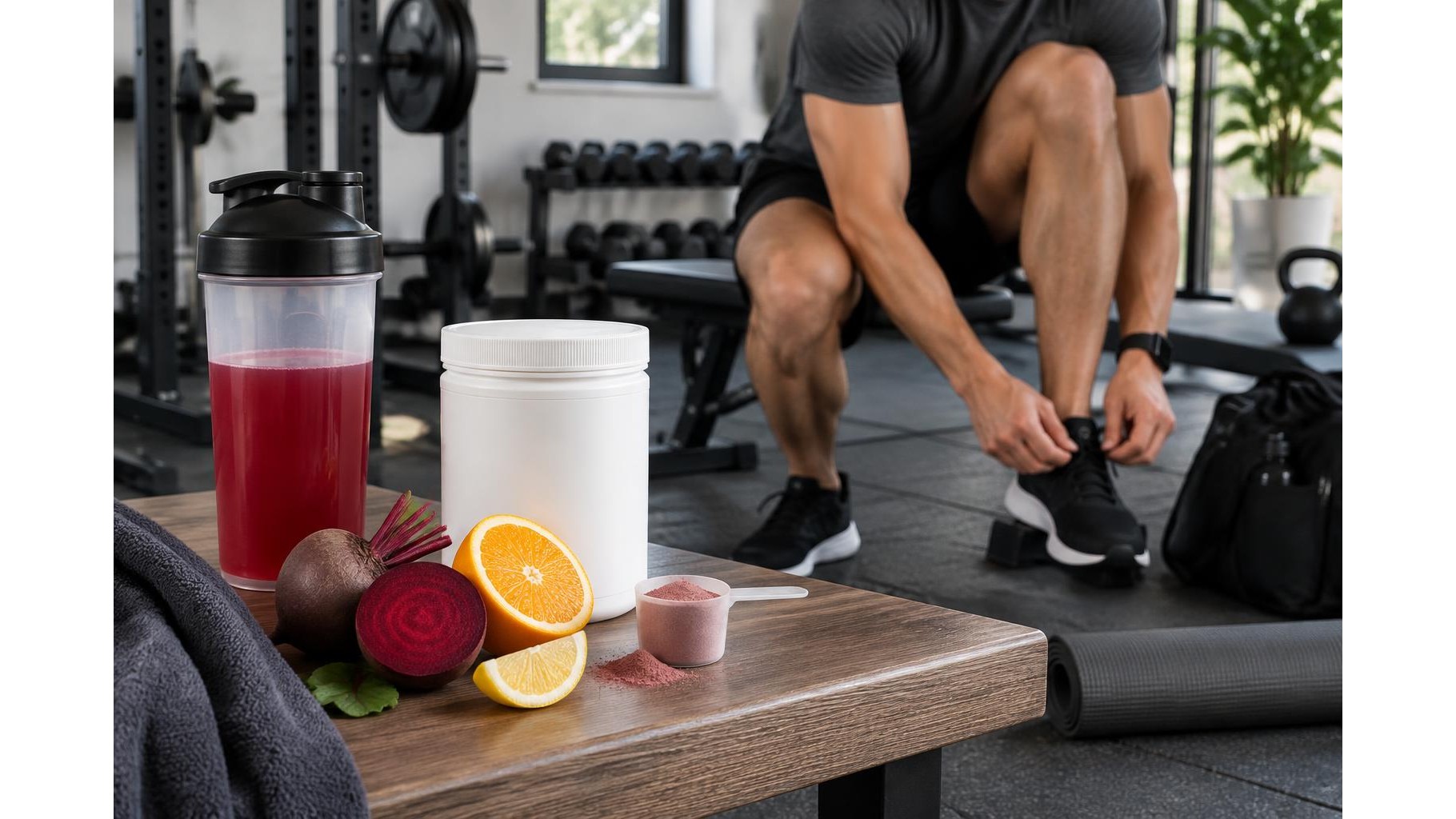
Want a pre-workout without the buzz? Caffeine-free supplements aim to support training through ingredients that may affect blood flow, muscle buffering or exercise capacity rather than stimulation. They are not automatically effective or risk-free: benefits depend on the ingredient, dose, workout and individual health. Here is how to read the evidence and labels with realistic expectations.
What caffeine-free means
A caffeine-free formula contains no caffeine, but that does not mean it is stimulant-free in every sense or suitable for everyone. Check the full ingredient list for caffeine sources such as guarana, tea or coffee extracts, and look for a clearly stated amount per serving. Products marketed as “pump” formulas may combine several ingredients, while proprietary blends can conceal individual doses. A simple ingredient list with transparent quantities makes it easier to compare products and identify ingredients you may need to avoid.
Citrulline and blood flow
L-citrulline is converted in the body to arginine, which contributes to nitric oxide production and blood-vessel dilation. This mechanism has made citrulline a popular ingredient for “pump” and endurance products. Some research suggests it may support blood flow or modestly improve performance in certain exercise settings, but findings are mixed and do not guarantee a noticeable effect for every user. Studies differ in dose, timing and participant training status, so a label claim should not be treated as proof that a product will improve your workout.
Nitrates and exercise performance
Dietary nitrates, often supplied by beetroot ingredients, can also contribute to nitric oxide pathways. Research has examined possible effects on oxygen efficiency and endurance, with results varying by exercise type, dose and individual response. Evidence is more relevant to some endurance activities than to every strength-training session. Check whether a product states the actual nitrate content: the weight of beetroot powder alone does not tell you how much nitrate it provides. Do not assume that a “natural” source is automatically more effective or safer.
Other ingredients and evidence limits
Some caffeine-free formulas include beta-alanine, creatine or electrolytes. These are not interchangeable: beta-alanine may help with repeated high-intensity efforts when used consistently, while creatine is generally taken regularly rather than as an immediate pre-workout. Electrolytes may be useful in particular conditions, such as prolonged exercise or heavy sweating, but are not essential for every gym session. Evidence applies to specific ingredients and protocols, not necessarily to a finished blend. Supplements also cannot replace adequate food, hydration, sleep or a well-planned programme.
How to assess labels and use products
Compare the stated amount of each active ingredient with research on that ingredient, and check serving size, directions, allergens and warnings. Avoid relying on vague claims such as “extreme pump” or undisclosed blends. Choose products from manufacturers that provide independent quality testing where available, and do not exceed the label directions or stack several products without checking their combined ingredients. Start with one product at a time so you can notice unwanted effects, and stop using it if you develop symptoms such as dizziness, stomach upset or an unusual reaction.
When to seek professional advice
Speak with a doctor or pharmacist before using a pre-workout if you take medication, have a health condition, are pregnant or breastfeeding, or have been advised to limit particular ingredients. Ingredients that affect blood-vessel function may be relevant to some medicines or conditions, and individual risks cannot be judged from a product label alone. Seek advice rather than assuming caffeine-free means safe. If a supplement causes concerning symptoms, stop taking it and get appropriate medical help.
In summary, caffeine-free pre-workouts may offer ingredients such as citrulline or dietary nitrates, but research supports cautious, ingredient-specific conclusions—not guaranteed results. Read quantities, check for hidden caffeine, and treat marketing claims critically. Training fundamentals remain central, and professional advice is sensible when medication use or a health condition could affect safety.