If you train in a home gym, it is tempting to chase every new pre‑workout supplement that hits your feed. Beyond the obvious hit of caffeine, though, a small group of secondary ingredients actually has research behind it for strength, endurance and pump. Here is a clear, evidence‑based look at betaine, citrulline, beta‑alanine, L‑carnitine and broader nitric oxide boosters, plus a few UK‑available products you can realistically plug into a home‑training routine.
Table of contents
Betaine: strength and power support
Betaine anhydrous (trimethylglycine, or TMG) is best known for supporting normal homocysteine metabolism, but several small studies suggest it can modestly support power output and body composition when dosed consistently (around 2.5 g/day). A simple, single‑ingredient powder like Betaine Anhydrous 500g | Trimethylglycine Powder | TMG High Strength gives you that flexibility: it is a vegan‑friendly powder with no flavour, designed as a pre‑workout supplement or daily support. Its granular form makes it easy to weigh out an effective dose and add it to your usual drink. For home athletes, the realistic expectation is not a night‑and‑day difference, but potentially slightly better training volume and pump when stacked with a solid programme and diet.
Citrulline malate: pump and endurance workhorse
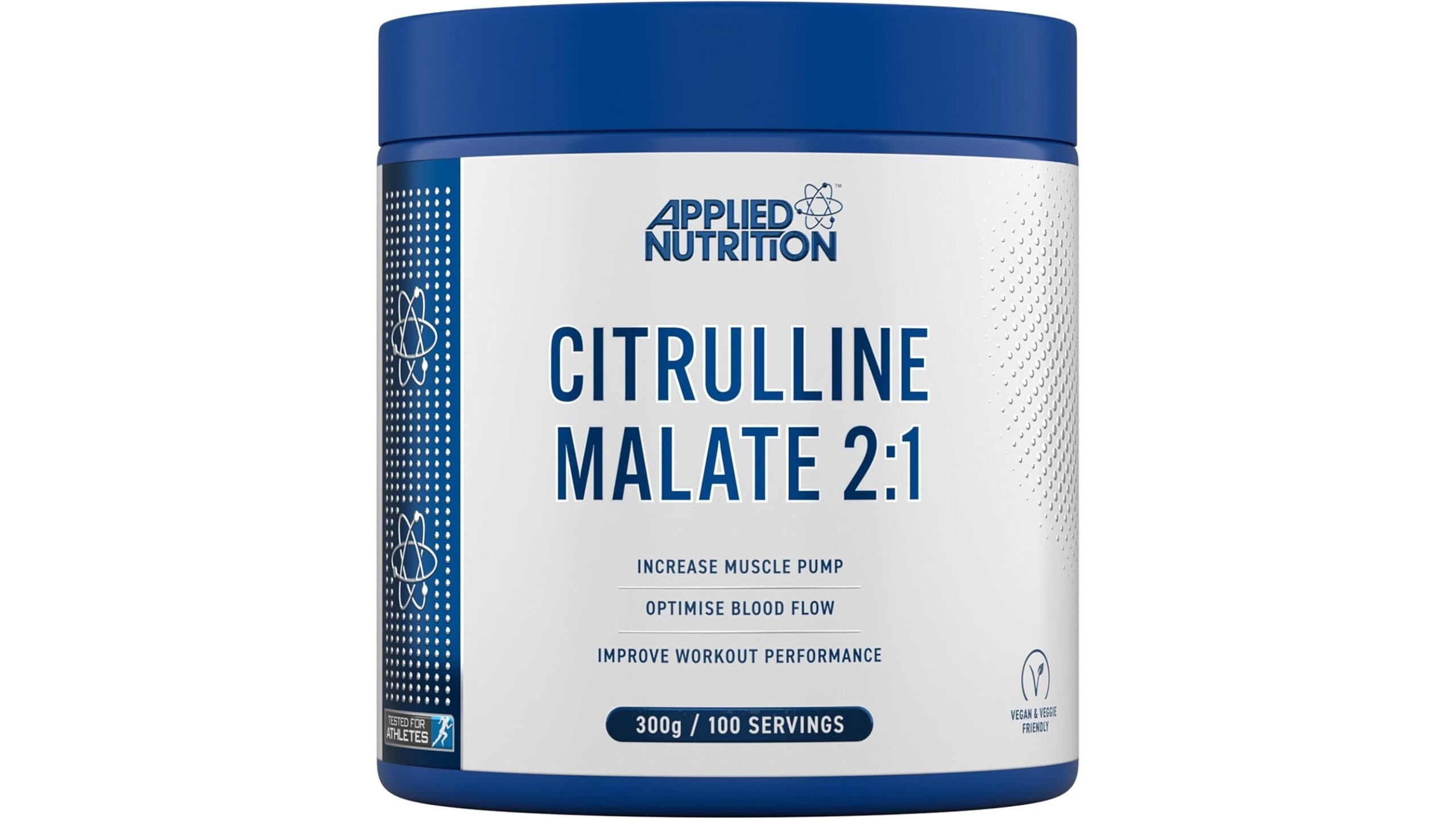
Among all non‑stimulant pre‑workout ingredients, L‑citrulline and citrulline malate have some of the strongest support. They raise nitric oxide, improving blood flow and potentially reducing fatigue in higher‑rep sets. A good example is Applied Nutrition Citrulline Malate 2:1, an unflavoured powder delivering 3000 mg of citrulline malate per serving and tested for athletes. Home lifters can mix it with water or add it to an existing pre‑workout to chase better muscle pumps and slightly improved performance in moderate‑to‑high‑intensity sessions. Aim for 6–8 g total citrulline malate about 30–45 minutes before your session if your stomach tolerates it well.
Beta‑alanine: buffering burn in hard sets
Beta‑alanine increases intramuscular carnosine, which helps buffer the acidity that builds up in efforts lasting roughly 1–10 minutes – exactly the zone of hard hypertrophy sets, intervals and circuits. Applied Nutrition Beta‑Alanine Amino Acid Pre Workout Powder provides 3000 mg per serving, unflavoured and suitable for vegans. That is within the evidence‑based daily intake (typically 3.2–6.4 g/day), but remember the classic side effect: paresthesia, the harmless tingling some people feel. You do not need to take it exactly pre‑workout; consistent daily dosing is what saturates carnosine stores. For home athletes doing high‑rep sets, EMOMs or conditioning circuits, it can help squeeze out a few more quality reps before the burn forces you to stop.
L‑carnitine: fat burning hero or overhyped?
L‑carnitine is heavily marketed as a fat burner, but the research in healthy, active people is mixed. It does play a real role in transporting fatty acids into the mitochondria, yet the body usually makes enough on its own. A product like Applied Nutrition L‑Carnitine 1500mg – L‑Tartrate Capsules offers a high‑strength, athlete‑tested form with 1500 mg per two‑capsule serving, marketed for energy, endurance and weight management. Where L‑carnitine seems most promising is in individuals with lower baseline levels, or in endurance contexts over months rather than weeks. If you are already lean, eating adequate protein and training hard at home, its impact on fat loss will likely be modest at best compared with tracking calories and daily steps.
Nitric oxide booster blends: convenient, but read the label
Instead of single ingredients, some home athletes prefer all‑in‑one nitric oxide booster capsules that combine L‑arginine, L‑citrulline and adaptogens for energy, circulation and recovery. The Mars Nitric Oxide Capsules blend L‑arginine, L‑citrulline and plant extracts in a convenient 60‑capsule bottle, promoting improved blood flow and post‑workout recovery. For home training, these can be handy when you do not want to mix powders, but you must check the actual mg amounts per serving – many blends under‑dose compared with standalone powders. If a product does not clearly list ingredient quantities, consider that a red flag and favour transparent labels so you can compare to the doses used in research.
What is worth it for home athletes – and what is hype?
For most home lifters, the ingredients with the best trade‑off between cost and evidence are citrulline malate for pump and endurance, and beta‑alanine for buffering fatigue in higher‑rep work. Betaine is a solid “nice‑to‑have” if you are already dialled in on training and nutrition, while L‑carnitine and many generic N.O. blends sit closer to the “optional” side unless you have specific needs. Remember that any pre‑workout stack is a multiplier, not a foundation: it works only if your sleep, protein intake and programme are in place. In a home gym environment, that might mean prioritising a consistent schedule, progressive overload and basic equipment first, then layering in a couple of these ingredients to chase small but meaningful improvements in performance and training enjoyment.
In summary, smart use of research‑backed pre‑workout ingredients can help home athletes train a little harder, recover a little faster and enjoy better pumps – but none of them can replace fundamentals. If you choose to supplement, focus on properly dosed citrulline malate and beta‑alanine, consider betaine as a performance adjunct, and treat L‑carnitine and broad nitric oxide boosters as optional extras. Combine them with consistent home workouts, a balanced diet and adequate rest, and your pre‑workout cupboard will support, not distract from, your real progress.