Beta-alanine has become a popular supplement among people doing intense home HIIT workouts. It promises to help you push harder in short, explosive sessions – but it is not a magic powder for everyone. Understanding what it actually does, who really benefits and how to use it safely is essential if you train in a home gym and want evidence-based support, not hype.
Table of contents
What beta-alanine does in your body
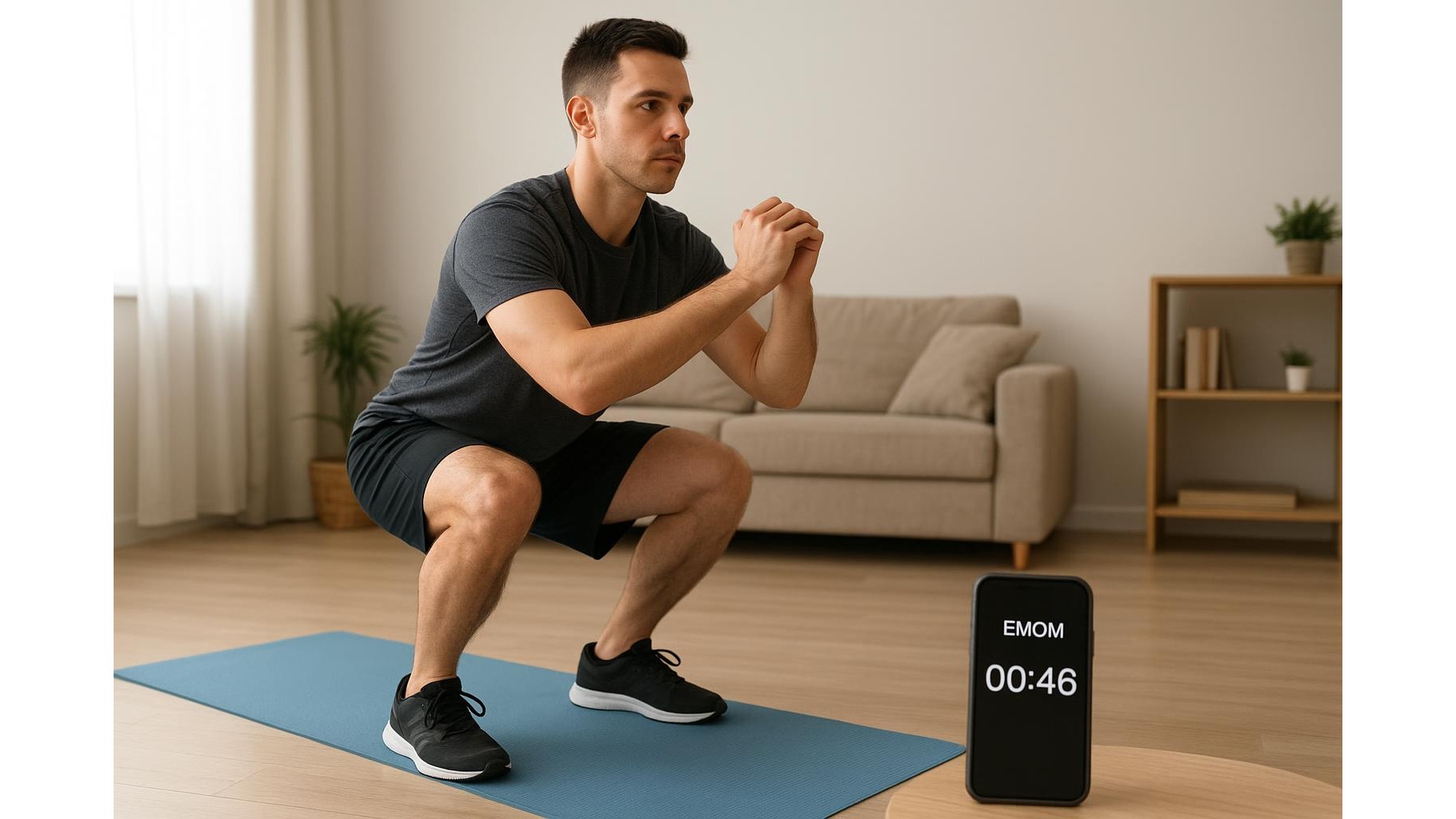
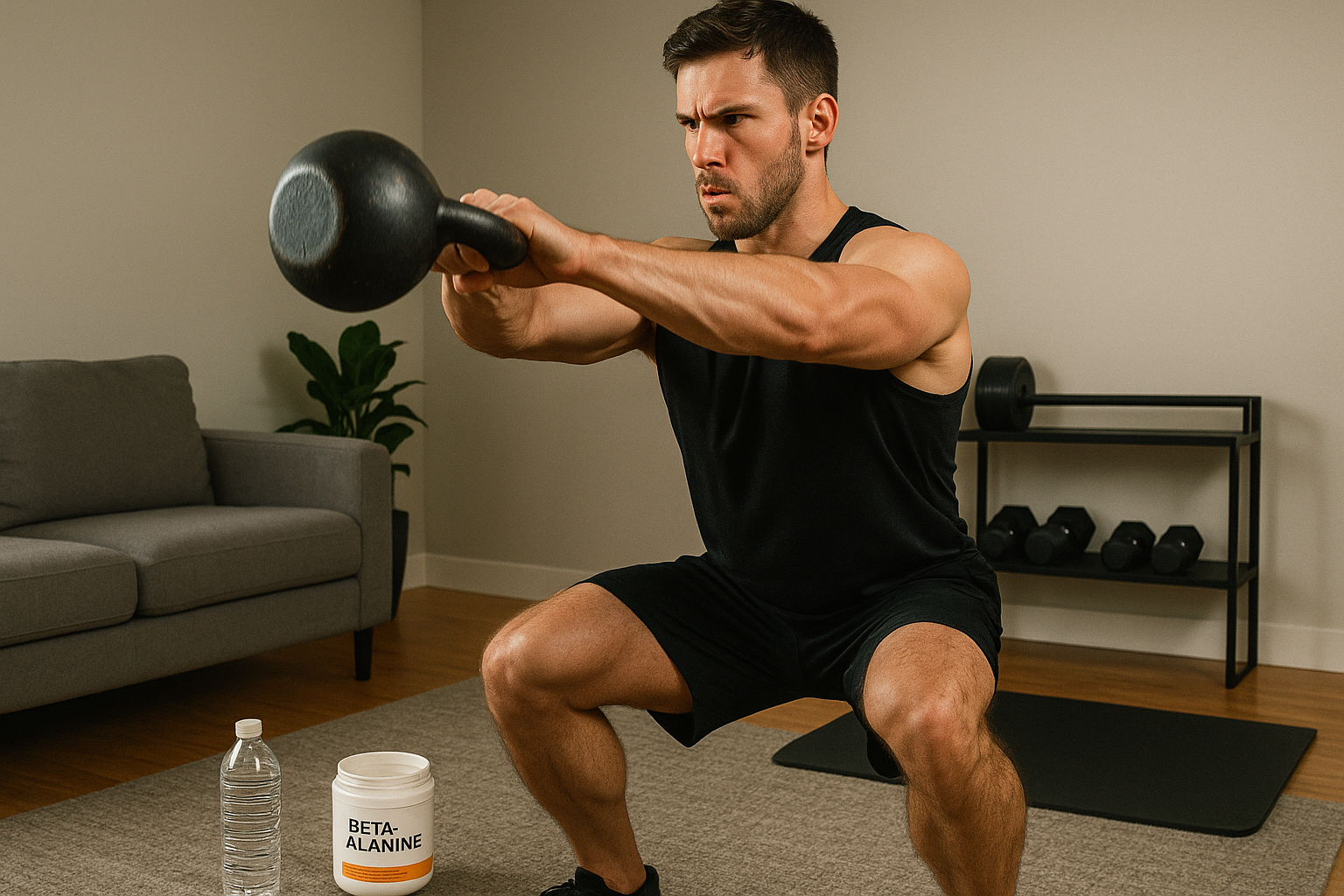
When you perform high-intensity intervals like sprints, burpees or kettlebell complexes, your muscles produce acid that leads to the familiar burning sensation and fatigue. Beta-alanine is a building block of carnosine, a compound stored in muscle that helps buffer this acid. Higher carnosine levels can delay the point at which your muscles give up, particularly in efforts lasting about 30 seconds to 4 minutes. That makes beta-alanine potentially useful for Tabata rounds, EMOMs and other structured HIIT sessions you perform in a small space at home.
Who actually benefits from beta-alanine
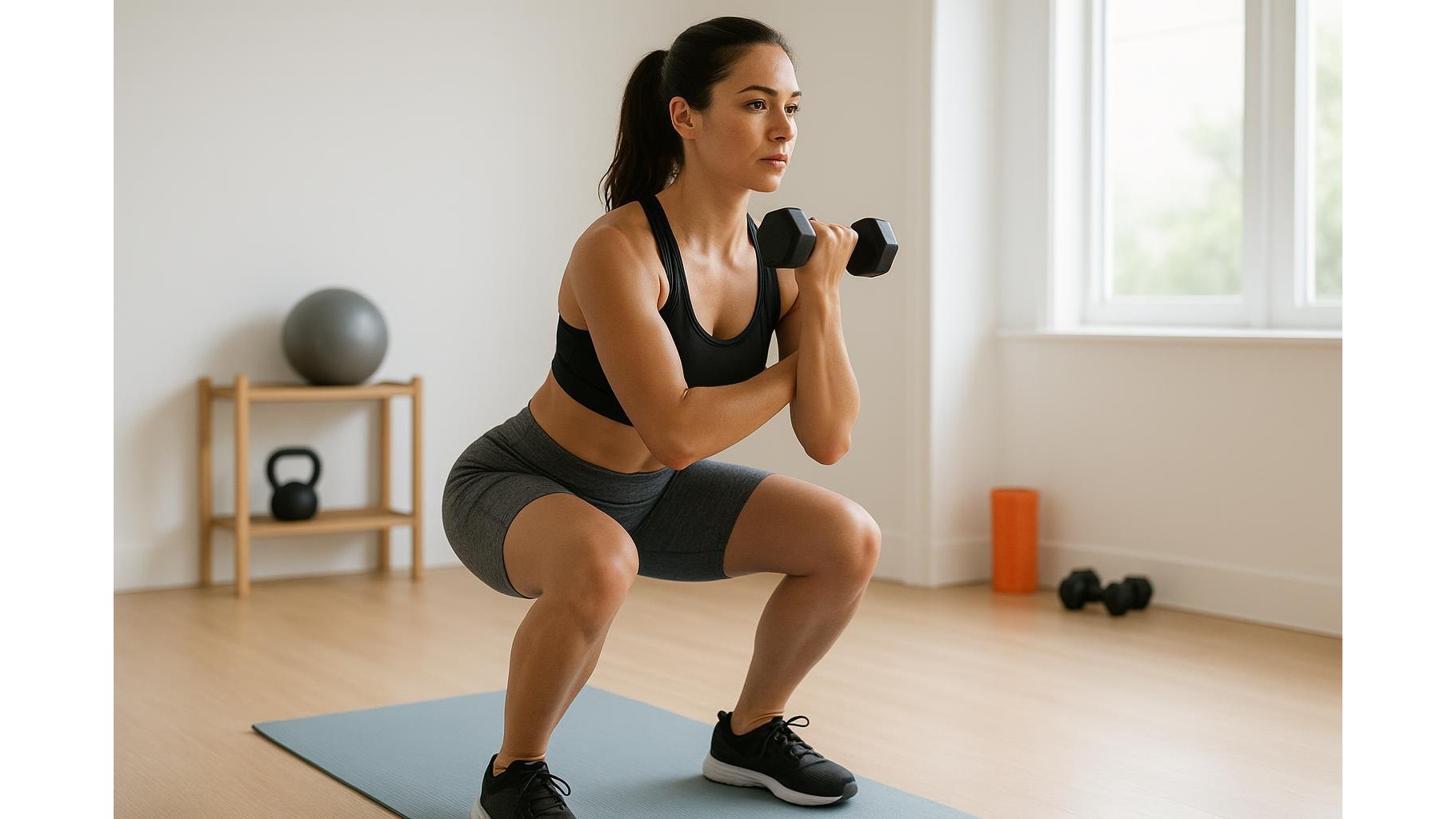
Beta-alanine is most beneficial if your home HIIT involves repeated, very hard efforts with short rests – think circuit training, intense shadow boxing, bike sprints on a smart trainer or heavy dumbbell complexes. If your training is mostly low-intensity cardio, walking, yoga or moderate resistance work with long rests, the performance boost from beta-alanine is likely minimal. Competitive or highly motivated home athletes who already have their sleep, nutrition and programming in place may notice small but meaningful improvements in how long they can sustain effort and how quickly they recover between intervals. Beginners can use it, but they will gain far more from improving technique, consistency and load progression first.
Safe dosage, timing and cycling
Evidence-based daily intake for beta-alanine is typically around 3.2–6.4 g per day, taken consistently for at least four weeks to raise muscle carnosine levels. You do not need to take it right before a workout; timing is less important than total daily dose. To reduce side effects, many athletes split the dose into smaller servings of about 0.8–1.6 g taken two to four times per day with food. After building levels for 8–12 weeks, some people choose to cycle off for a month, although this is not strictly necessary for safety in healthy adults. Always read product labels and avoid combining multiple supplements that all contain beta-alanine, which can push you beyond recommended intakes.
Side effects and who should skip it
The most common side effect of beta-alanine is a harmless tingling sensation in the skin called paresthesia, often felt in the face, hands or upper body when you take higher single doses. While not dangerous, it can be uncomfortable; splitting doses usually solves this. People who are pregnant, breastfeeding, under 18, or managing medical conditions such as kidney, liver or serious cardiovascular disease should avoid beta-alanine unless explicitly cleared by a healthcare professional. If you take medications for blood pressure, heart rhythm or neurological issues, professional advice is also recommended. As with any supplement, if you experience unusual symptoms beyond mild tingling – such as rash, dizziness or breathing issues – stop and seek medical help.
How to integrate beta-alanine into a home HIIT routine
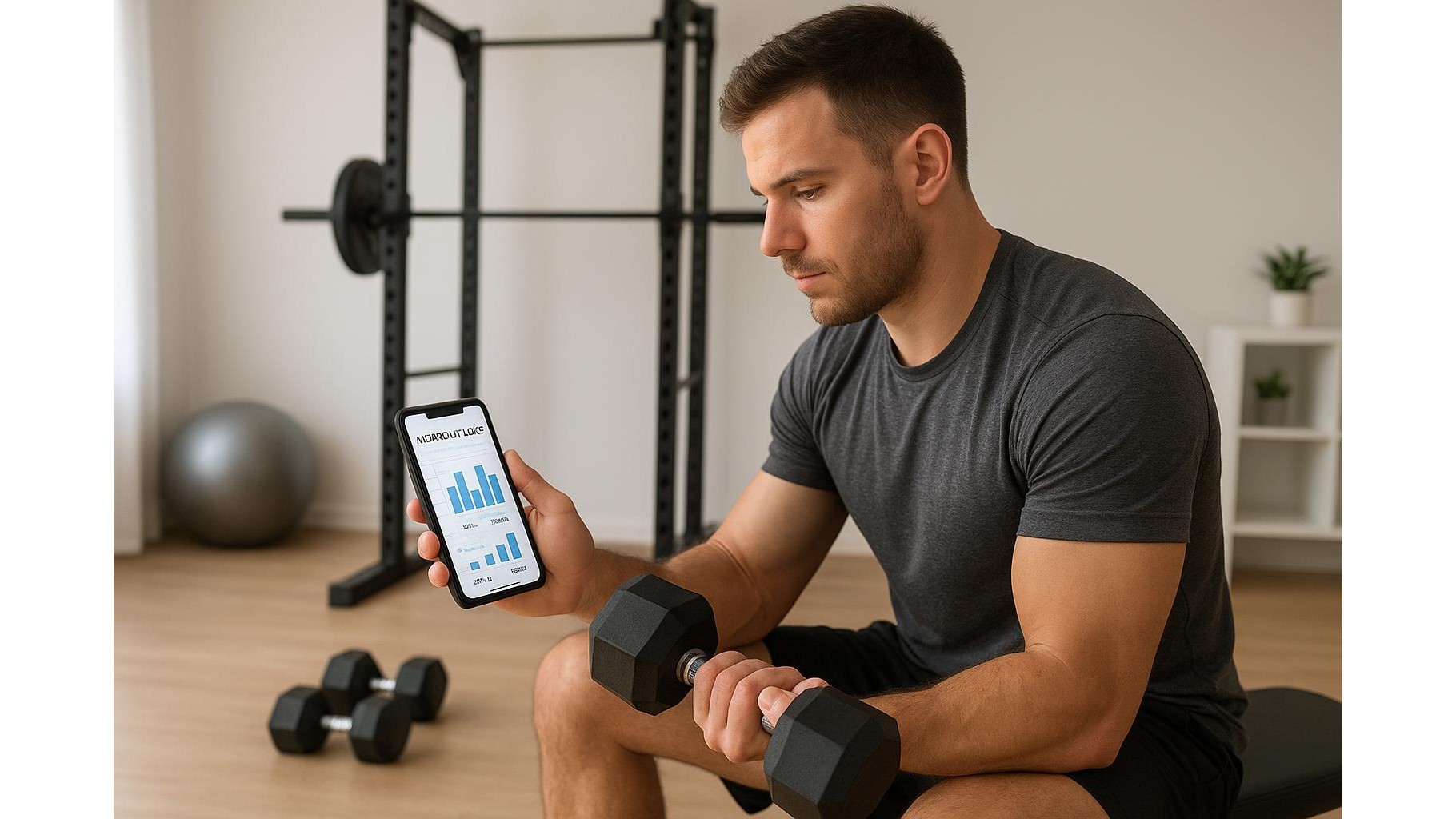
For a structured home workout plan, start with a low daily dose, such as 1.6–3.2 g per day, divided into 2–3 servings with meals. Maintain this for four weeks while tracking your performance on standardised HIIT sessions – for example, the number of rounds you complete in a 10-minute AMRAP or how your heart rate recovers between intervals. Combine beta-alanine with solid hydration, adequate carbohydrate intake and consistent warm-ups to get the most from your supplement spend. Remember that supplements are only one small piece of the puzzle: progressive programming, sleep quality and stress management will have a far greater impact on your long-term fitness and body composition than any ergogenic aid.
Evidence-based takeaways for home athletes
Used correctly, beta-alanine can provide a modest but real advantage for people who push hard in home HIIT workouts, especially in efforts lasting a few minutes with short rests. It works by increasing muscle carnosine and buffering acid, not by stimulating you like caffeine. Most healthy adults can use it safely at 3.2–6.4 g per day, split into smaller doses to avoid tingling. However, if you are not already consistent with training and recovery, beta-alanine should not be your first priority. Treat it as a fine-tuning tool once the basics of your home fitness routine are in place, and always check with a healthcare professional if you have any doubts.