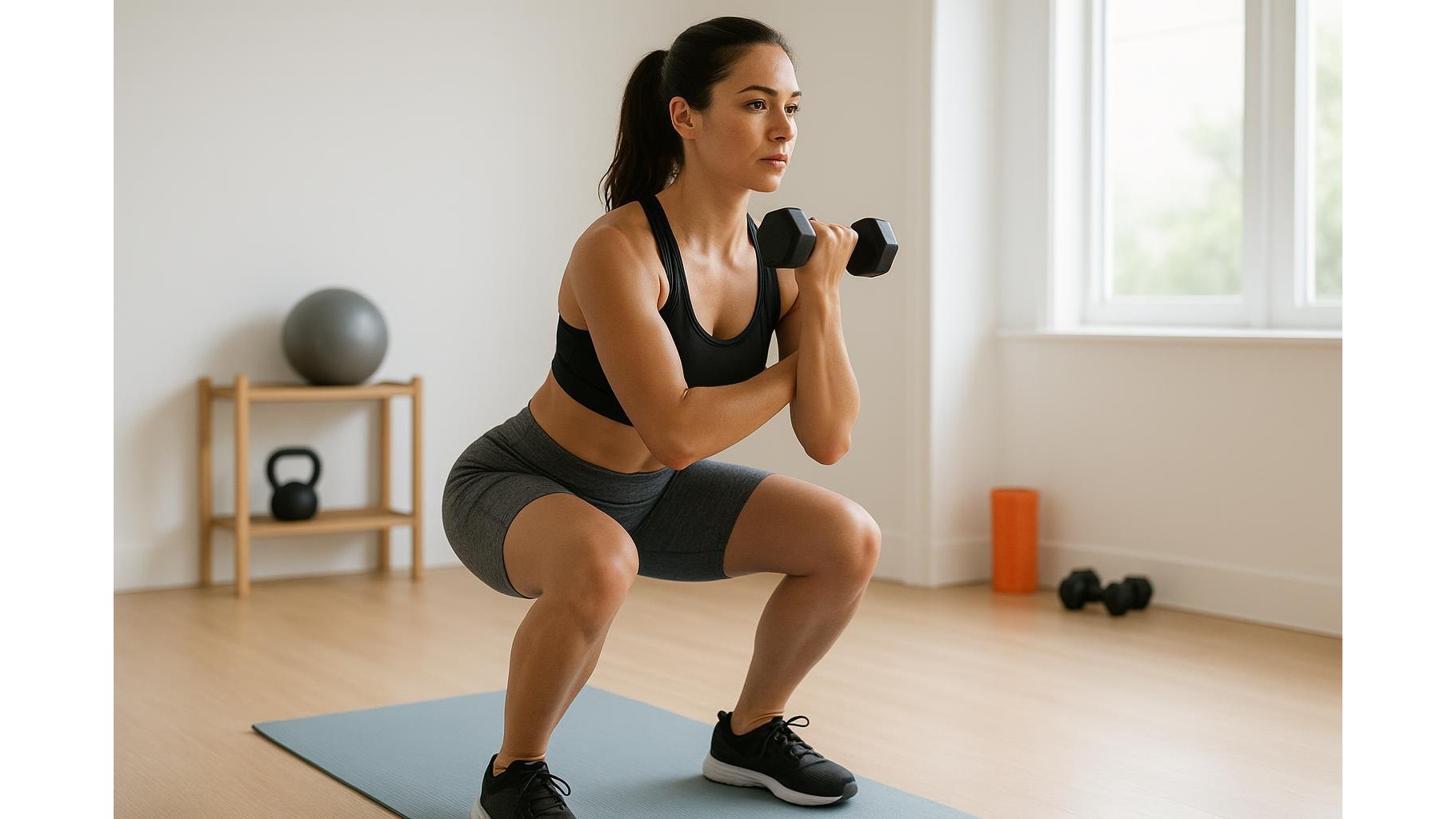
Starting a home workout routine can feel overwhelming, and the world of supplements often makes it worse. Shiny tubs, big promises and confusing labels can distract from what really matters: consistent training, good sleep and decent nutrition. For beginners, the goal is not to build a complicated “stack”, but to use a few well-chosen products that support your health and performance without blowing your budget. This guide focuses on simple, evidence-based supplements for home training, plus how to use them safely and realistically.
Table of contents
Focus on food first, then add only what you need
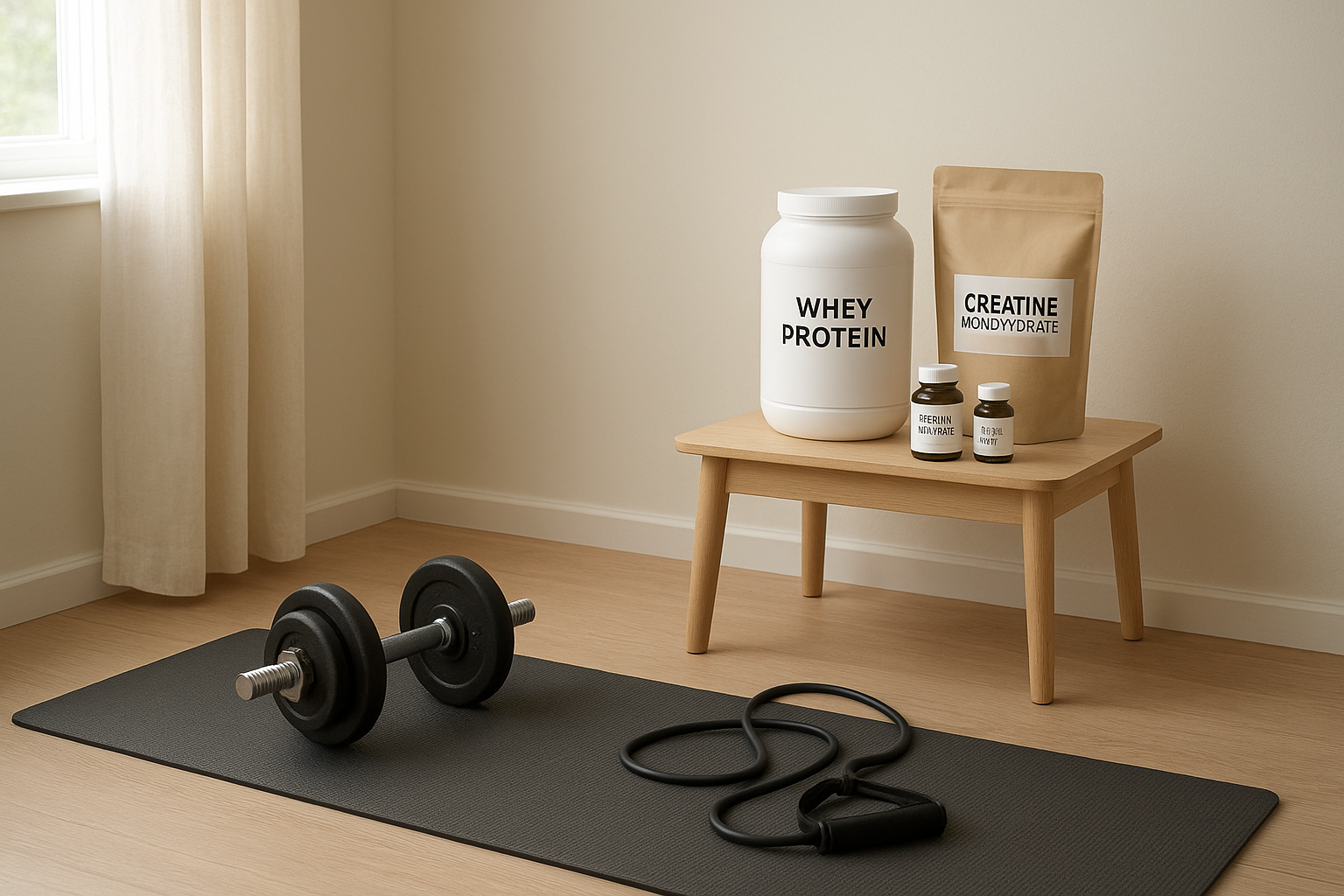
Before you think about powders or pills, make sure your basics are covered: enough protein, fruit and vegetables, hydration and regular meals. No supplement can fix a poor diet or lack of training. For many beginners, a simple whey protein can be a practical tool to help meet daily protein needs when cooking isn’t convenient. A typical example you’ll see on Amazon is a standard whey concentrate or isolate in a 1–2 kg tub, usually offering around 20–25 g of protein per scoop, low sugar and a variety of flavours. Use these products as a convenient food, not magic muscle builders: 1 scoop after a workout or between meals is plenty for most people.
Whey protein: convenient support for muscle and recovery
Among the most useful supplements for beginners is a straightforward, no-frills whey protein powder. A typical option (for example, a mainstream brand you’ll find at this Amazon link) provides a complete amino acid profile, mixes easily with water or milk and has clear nutrition labelling. For home trainees who struggle to reach roughly 1.6–2.2 g of protein per kilogram of body weight per day through food alone, whey can make the difference between “just exercising” and actually building muscle. Look for products with minimal added sugar, around 100–130 kcal per serving, and avoid overdoing it: 1–2 shakes a day is usually enough when combined with balanced meals.
Creatine monohydrate: simple, cheap and well-researched
Creatine monohydrate is one of the most researched sports supplements and is ideal for beginners doing strength or high-intensity home workouts. A typical creatine product on Amazon UK (for example, a pure micronised powder sold in a tub or pouch, often labelled “Creapure” or “Creatine Monohydrate 100%”) offers 3–5 g per serving with no extra ingredients. Creatine helps increase strength, power and muscle size over time when combined with consistent resistance training. You don’t need fancy blends: choose plain creatine monohydrate, take 3–5 g once daily (with any meal or your shake) and stick with it. Drink enough water and be patient; the benefits build over weeks, not days.
Health foundations: Vitamin D3, K2 and Omega-3
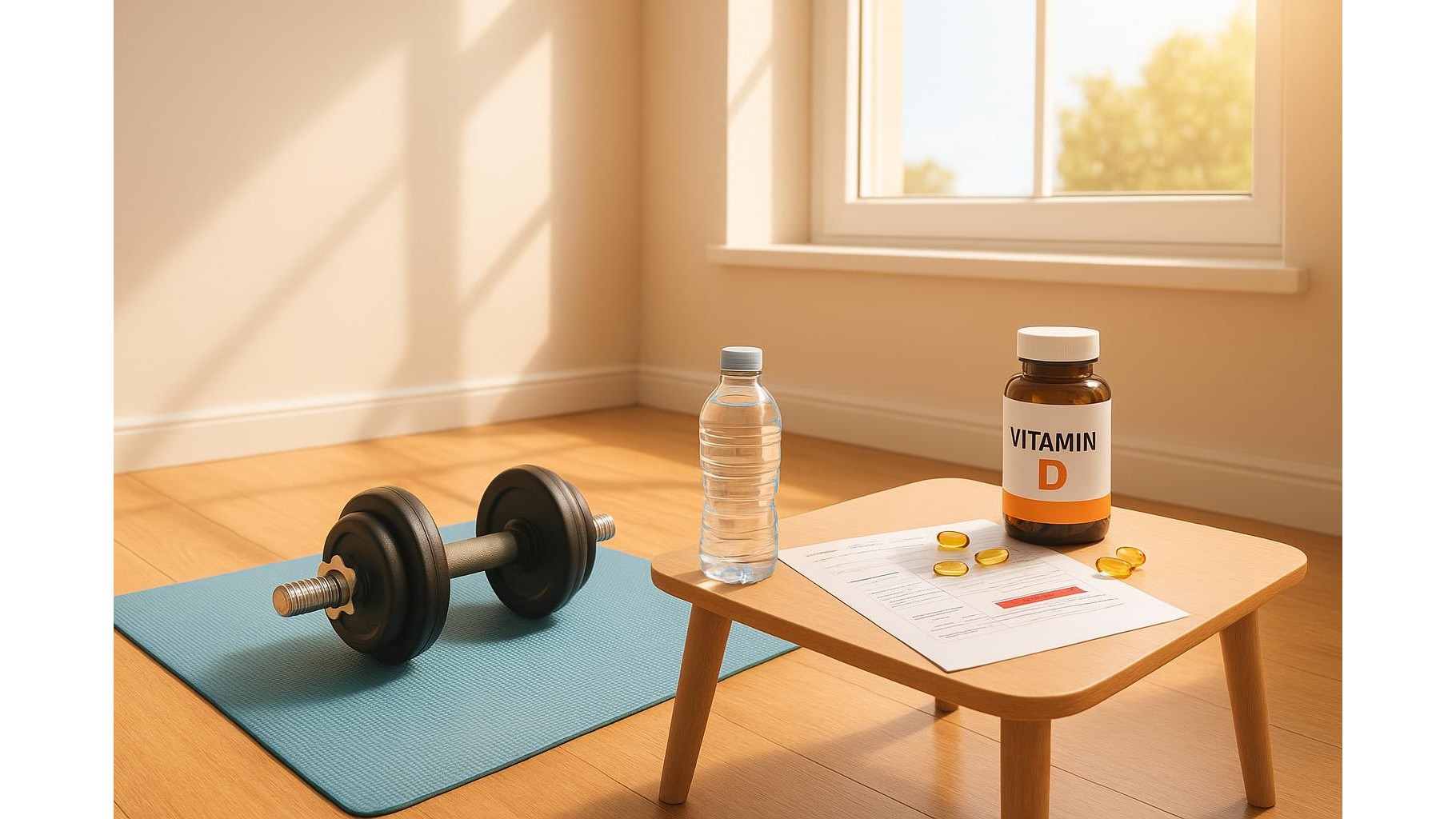
Alongside performance-focused products, beginners training at home should consider basic health supplements, especially if they spend a lot of time indoors. A combined Vitamin D3 + K2 supplement (commonly found on Amazon as softgels or drops) can support bone health, immune function and overall wellbeing, particularly in countries with limited sun exposure. Similarly, a high-quality Omega-3 fish oil capsule with clear EPA/DHA content can support heart, joint and brain health. Look for products with transparent dosing (e.g., 1000 mg fish oil providing a defined amount of EPA and DHA), third-party testing if available, and avoid “mega-dose” marketing. These aren’t performance boosters you’ll feel immediately, but they help maintain the foundation that allows you to train consistently.
Do you really need a multivitamin?
A general multivitamin can be useful if your diet is inconsistent, you are in a calorie deficit, or you simply want a safety net. On Amazon UK, you’ll see many “one-a-day” formulas for men and women that provide a broad range of vitamins and minerals at or around the recommended daily intakes. These are fine as back-up, but they shouldn’t replace whole foods like fruit, vegetables, whole grains and lean protein. Avoid formulas with extreme doses or unnecessary herbal blends for beginners. If you already eat a varied, colourful diet, a multivitamin may offer little extra benefit; if not, a simple, budget-friendly one-a-day can fill small gaps while you work on improving your meals.
What to skip: fat burners, mega-stacks and hype
For home workout beginners, the list of supplements to avoid is just as important. Steer clear of aggressive fat burners, complicated “pre-workout” mega-stacks, and products promising rapid muscle gain or unrealistic transformations. Many of these rely heavily on stimulants like caffeine, which can disrupt sleep and increase anxiety, especially if you also drink coffee or energy drinks. Others hide behind “proprietary blends” without clear dosages. If a supplement sounds too good to be true, it probably is. Your budget is better spent on simple, transparent products: whey protein, creatine monohydrate, vitamin D3/K2, omega-3, and maybe a basic multivitamin.
To build an effective, safe and sustainable supplement stack for beginners training at home, keep things minimal and evidence-based. Prioritise consistent workouts, sleep and nutrition first, then add a good whey protein and creatine monohydrate if they fit your goals and budget. Support overall health with vitamin D3/K2 and omega-3, and consider a modest multivitamin if your diet is patchy. Avoid hype-driven products and remember that supplements are just that: supplements. Your results will always come primarily from the work you put into your training and lifestyle.