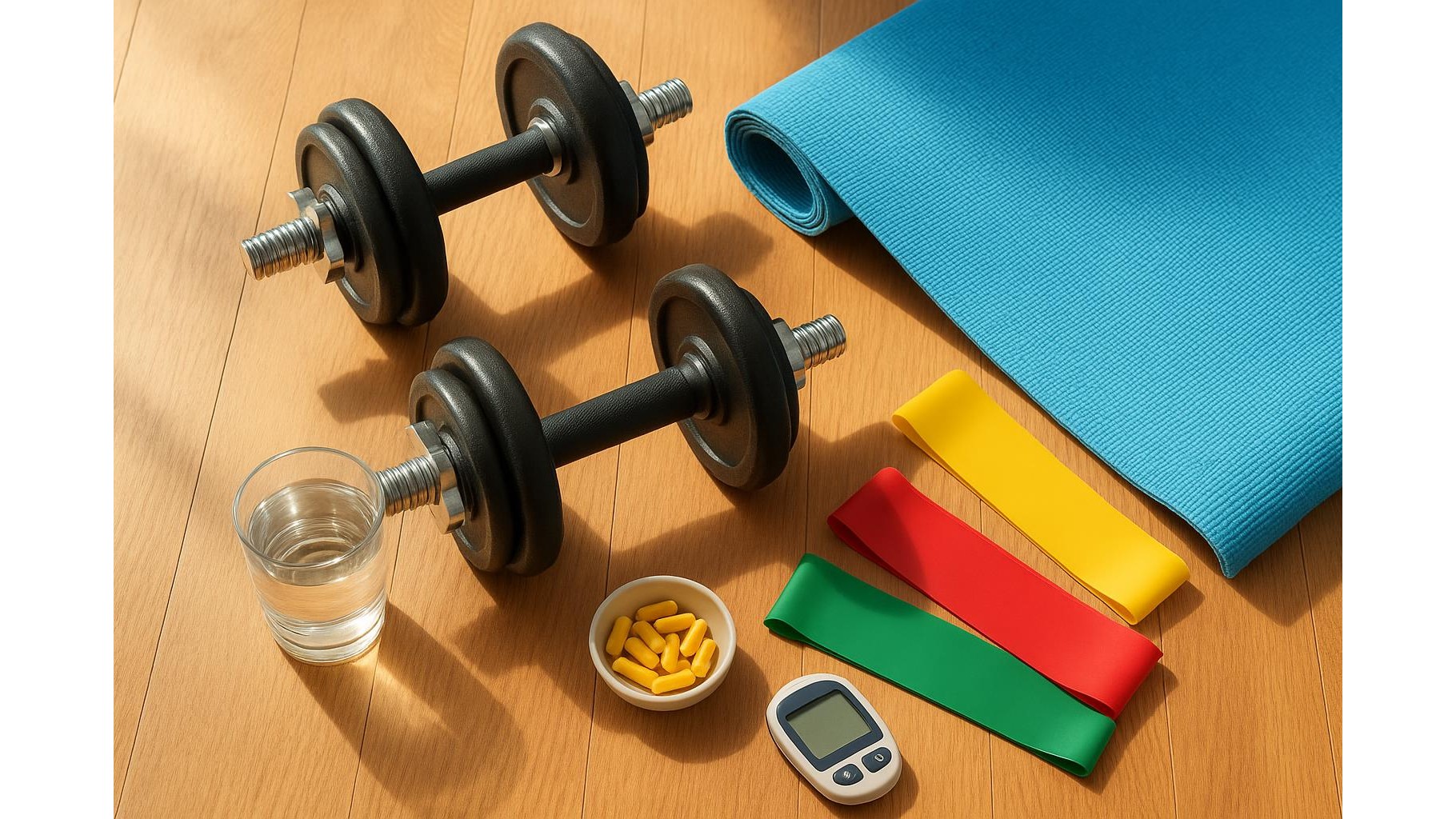
Berberine has become a trending supplement among home athletes looking to improve blood sugar control, support weight management, and optimise training days. Often compared with metformin for its metabolic effects, berberine is actually a plant-derived alkaloid with a surprisingly solid body of research behind it. This article looks at what current evidence really says, how it might (or might not) help people who train at home, and practical points on dosage, timing, and safety.
How berberine works on blood sugar and insulin
From a physiological point of view, berberine appears to improve insulin sensitivity and help lower elevated blood glucose. It activates an enzyme called AMPK (AMP-activated protein kinase), sometimes called the body’s “metabolic switch”, which pushes cells to use glucose more efficiently. Clinical trials in people with type 2 diabetes show reductions in fasting blood sugar and HbA1c comparable to standard medication in some cases. For a home athlete, this could translate into more stable energy across the day and fewer big glucose swings after carb-heavy meals. However, these benefits are clearest in people with poor metabolic health; if your blood sugar is already normal, the impact is likely to be smaller.
Berberine and weight management for home training
Many home athletes are interested in berberine for weight loss or body recomposition. Research indicates that berberine can modestly reduce body weight, BMI and waist circumference, especially in individuals with metabolic syndrome or insulin resistance. Mechanisms include improved glucose control, better lipid profiles (lower triglycerides and LDL cholesterol), and possibly reduced appetite in some people. For someone training in a home gym, berberine may support a calorie deficit by stabilising hunger and energy levels, but it is not a fat-burning shortcut. Sustainable weight management still depends on nutrition, training volume, and sleep. Think of berberine as a small extra tool, not a replacement for consistent lifestyle habits.
Does berberine improve performance on training days?
When it comes to training performance, evidence is more limited. Berberine’s main role is metabolic, not ergogenic. By improving insulin sensitivity and nutrient partitioning over time, it may support better muscle glycogen usage and overall health, which indirectly benefits training. However, some athletes worry that AMPK activation could interfere with muscle growth, because high AMPK and high mTOR (the muscle-building pathway) do not usually peak together. Current human data do not show meaningful muscle loss from typical berberine doses, but if your main goal is hypertrophy, it may be smart to avoid taking berberine immediately around your lifting sessions. Many lifters prefer using it with meals that are further from training, or on rest days, to separate its metabolic effects from the key muscle-building window.
How to use berberine safely: dose, timing and side effects
Most clinical trials use a total daily dose of around 900–1500 mg of berberine, split into 2–3 doses with meals. Because berberine has relatively poor absorption and a short half-life, spreading the intake helps maintain more stable levels. The main reported side effects are gastrointestinal: nausea, cramping, diarrhoea or constipation, particularly during the first days. Starting with a lower dose (for example 300 mg once daily with food) and gradually increasing can reduce this problem. Berberine can interact with various medications (including some used for diabetes, blood pressure and blood thinners), because it influences liver enzymes and transporters. Anyone on prescription drugs, pregnant or breastfeeding should consult a healthcare professional before using it. Long-term data beyond about six months are more limited, so periodic breaks and medical monitoring are sensible.
When berberine makes sense for home athletes – and when it does not
For home athletes with elevated blood sugar, a history of metabolic issues, or stubborn belly fat despite solid training and nutrition, berberine may be worth discussing with a doctor as part of a broader plan. Its strengths are in improving glucose control, insulin sensitivity, and cardiometabolic markers, which support long-term health and the capacity to train hard at home. For lean, highly active individuals with already excellent blood work, the cost–benefit ratio is less clear. In that case, focusing on protein intake, progressive overload, and consistent home workouts will almost always deliver more value than adding yet another supplement. Remember that even for those who benefit, berberine is an adjunct: it works best alongside a structured training plan, whole-food diet, recovery, and regular medical check-ups.
In summary, berberine is one of the more promising evidence-backed supplements for improving blood sugar, supporting modest weight management, and enhancing overall metabolic health in people who train at home. It is not a direct performance booster, but by stabilising energy and improving health markers, it can create a better platform for effective home workouts. Used at appropriate doses, with medical guidance and realistic expectations, berberine can be a useful addition to a well-designed training and nutrition strategy. Without that foundation, however, even the best supplement will do very little.