Beetroot juice and concentrated nitrate supplements have become a go‑to hack for runners, cyclists and gym‑goers chasing better endurance and stronger cardio. But do they really work for your home workouts, or are they just another flashy trend? In this article we look at what science actually says about dietary nitrates, how they affect blood flow and oxygen efficiency, the practical dosages and timing, and which types of training – from smart‑bike sessions to HIIT circuits in your living room – stand to benefit the most.
How beetroot nitrates work inside your body
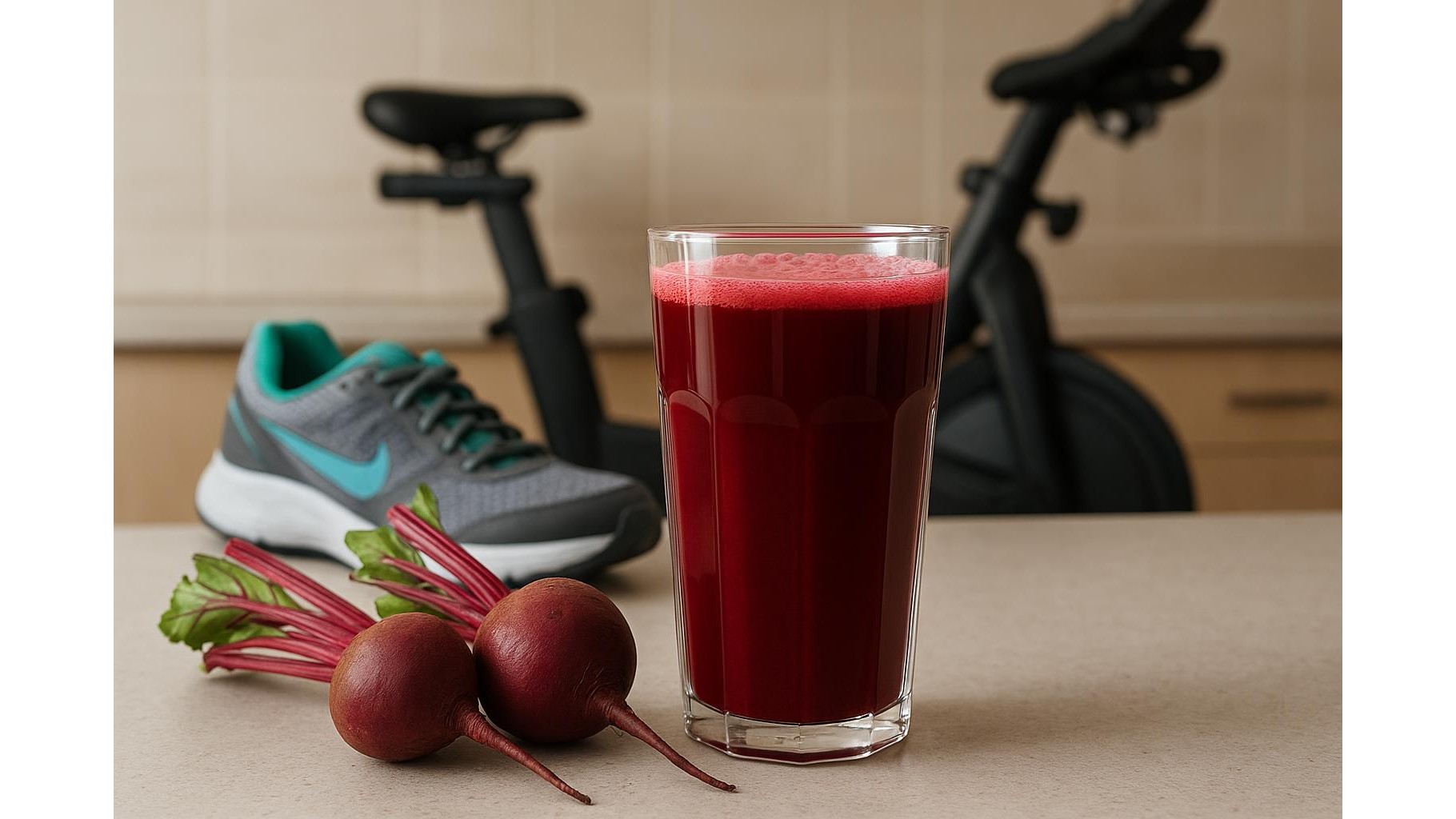
Beetroot is naturally rich in inorganic nitrates. Once ingested, these nitrates are converted in the body to nitric oxide, a gas that relaxes and dilates blood vessels. Wider vessels can improve blood flow to working muscles, potentially lowering the oxygen cost of exercise so that a given workload feels slightly easier. For home trainees, that can translate into holding a steady pace longer on your exercise bike, finishing a kettlebell complex with less burn, or recovering quicker between HIIT intervals. The effect is not magic or dramatic, but research consistently shows small improvements in endurance performance, time‑to‑exhaustion and sometimes sprint‑repeat capacity, especially in people who are not already highly trained endurance athletes.
Recommended dosage and timing for home workouts
Most studies use a dose of around 300–600 mg of nitrate, typically delivered as beetroot juice or a standardized supplement. In practical terms, that often means 70–140 ml of concentrated beetroot “shot” or several grams of a powdered extract standardized for nitrate content. For timing, research suggests taking your beetroot juice or nitrate supplement about 2–3 hours before training to allow full conversion to nitric oxide. If you train at home early in the morning, you can experiment with taking your dose right after waking; for evening sessions, have it with a light snack mid‑afternoon. Consistency also matters: some protocols show enhanced benefits when nitrates are consumed daily for 3–7 days leading into a key workout block or event rather than as a one‑off pre‑workout trick.
Who actually benefits the most?
Not everyone responds equally to beetroot juice. Evidence suggests that recreationally active and moderately trained individuals tend to see clearer improvements in endurance and high‑intensity exercise capacity than elite athletes, whose cardiovascular systems are already highly efficient. If your home training includes 20–60 minute cardio sessions on a rowing machine, exercise bike, treadmill or skipping rope, nitrates may help you sustain pace and reduce perceived effort. They can also support repeated sprint‑style intervals and bodyweight circuits with short recoveries. On the other hand, if your focus is purely on max strength – heavy deadlifts, low‑rep squats or short power moves – nitrate supplementation is unlikely to change much. It is best viewed as a small performance edge for endurance‑leaning home workouts, not a substitute for smart programming, sleep and nutrition.
Side effects, safety and practical caveats
Beetroot and nitrate supplements are generally considered safe for healthy adults when taken in typical study doses. The most common side effect is harmless: beeturia, or pink‑red urine and stools, plus a noticeable beetroot taste and occasional mild stomach discomfort. To reduce GI issues, avoid large, very concentrated doses on an empty stomach at first; test your tolerance on a non‑crucial training day. People with low blood pressure, those taking blood pressure medication or erectile‑dysfunction drugs, and anyone with kidney disease should speak to a healthcare professional before using concentrated nitrate products, as extra vasodilation may not be appropriate. One more nuance: common antibacterial mouthwashes can reduce nitrate‑to‑nitrite conversion in saliva, potentially blunting benefits, so using them right before or after your dose may not be ideal.
How to integrate beetroot into a realistic home‑training plan
For most home athletes, the best strategy is to treat beetroot nitrate as a targeted performance tool rather than an everyday crutch. Choose two or three key workouts per week – for example, your longest indoor ride, your toughest HIIT cardio day, or a benchmark circuit – and take a standardized beetroot or nitrate product 2–3 hours beforehand. Combine this with structured progressive overload, tracking distance, power, heart rate or interval count so you can see whether sessions genuinely feel easier or performance improves over several weeks. On non‑key days, relying on whole‑food sources like roasted beetroot, spinach and rocket can support general cardiovascular health without over‑supplementation. Ultimately, beetroot and nitrates work best as a small amplifier of solid training habits, not as a shortcut.
In summary, concentrated beetroot juice and nitrate supplements can offer modest but meaningful boosts to endurance and cardio performance during home training, particularly for recreational athletes focusing on steady‑state efforts and repeated high‑intensity intervals. Effective use means dialing in dosage, respecting the 2–3 hour timing window, and paying attention to side effects and individual response. When layered onto a foundation of consistent programming, recovery and overall nutrition, nitrates can be a useful edge – just not a miracle fix for a poorly structured workout routine.