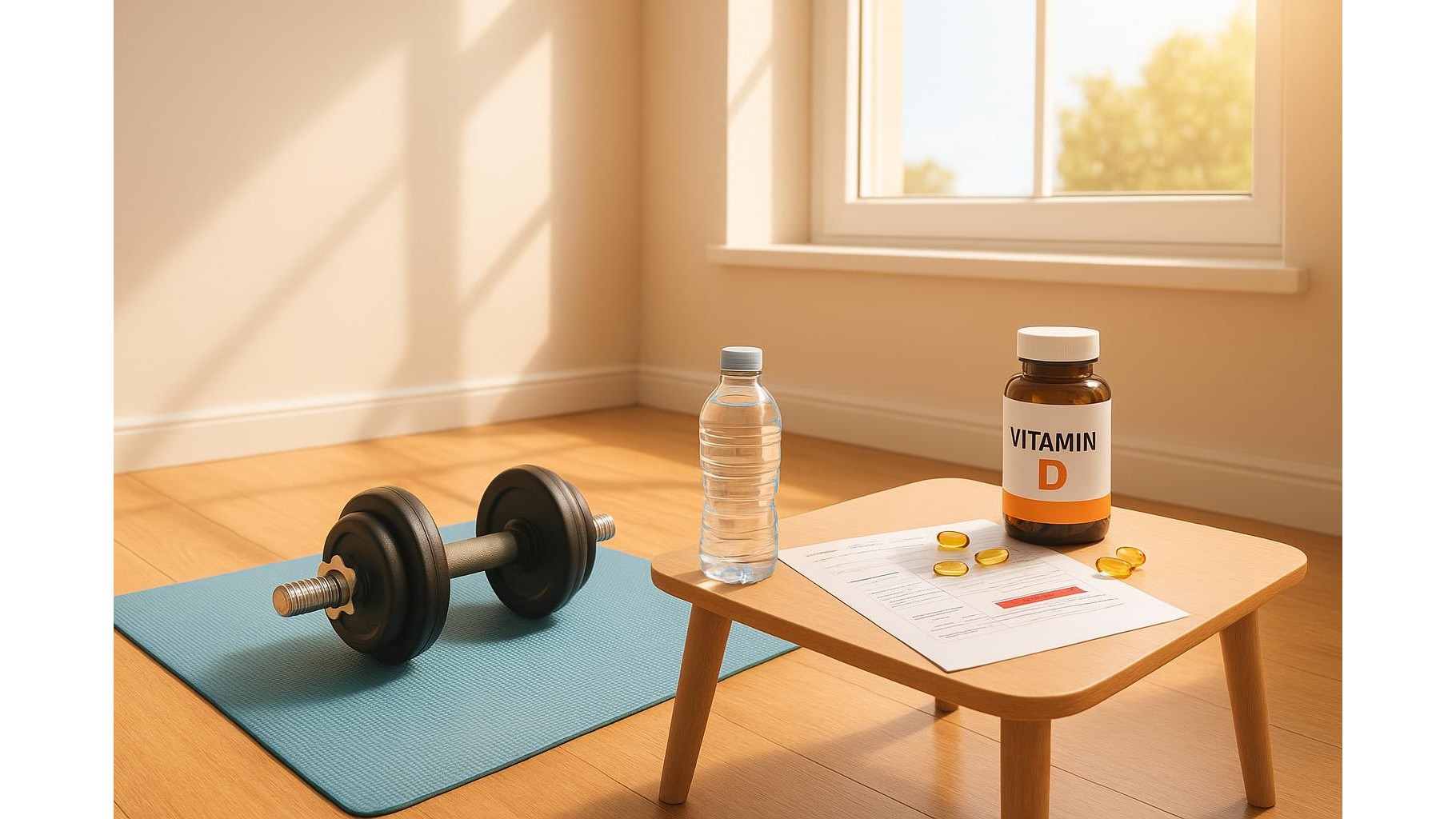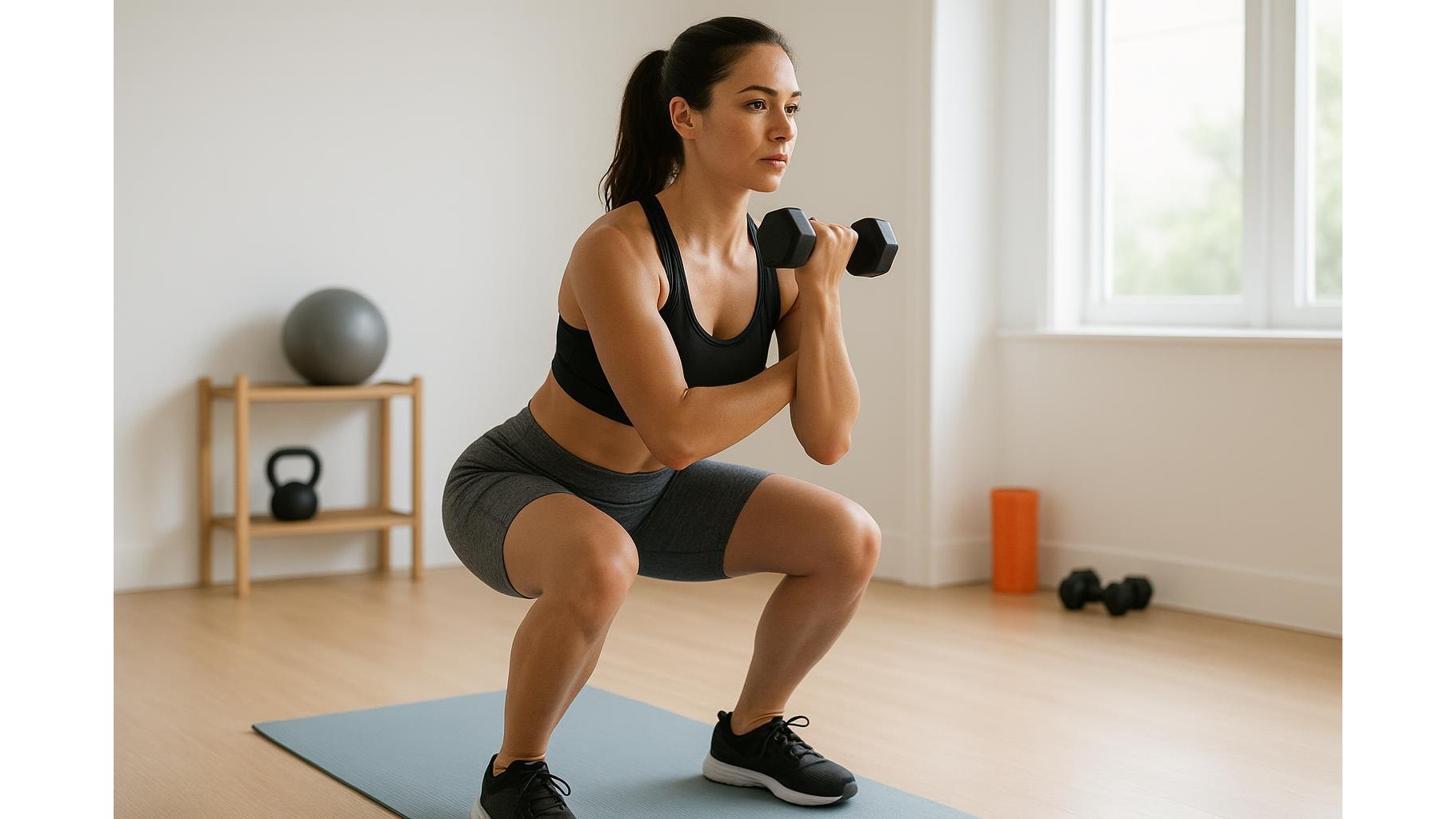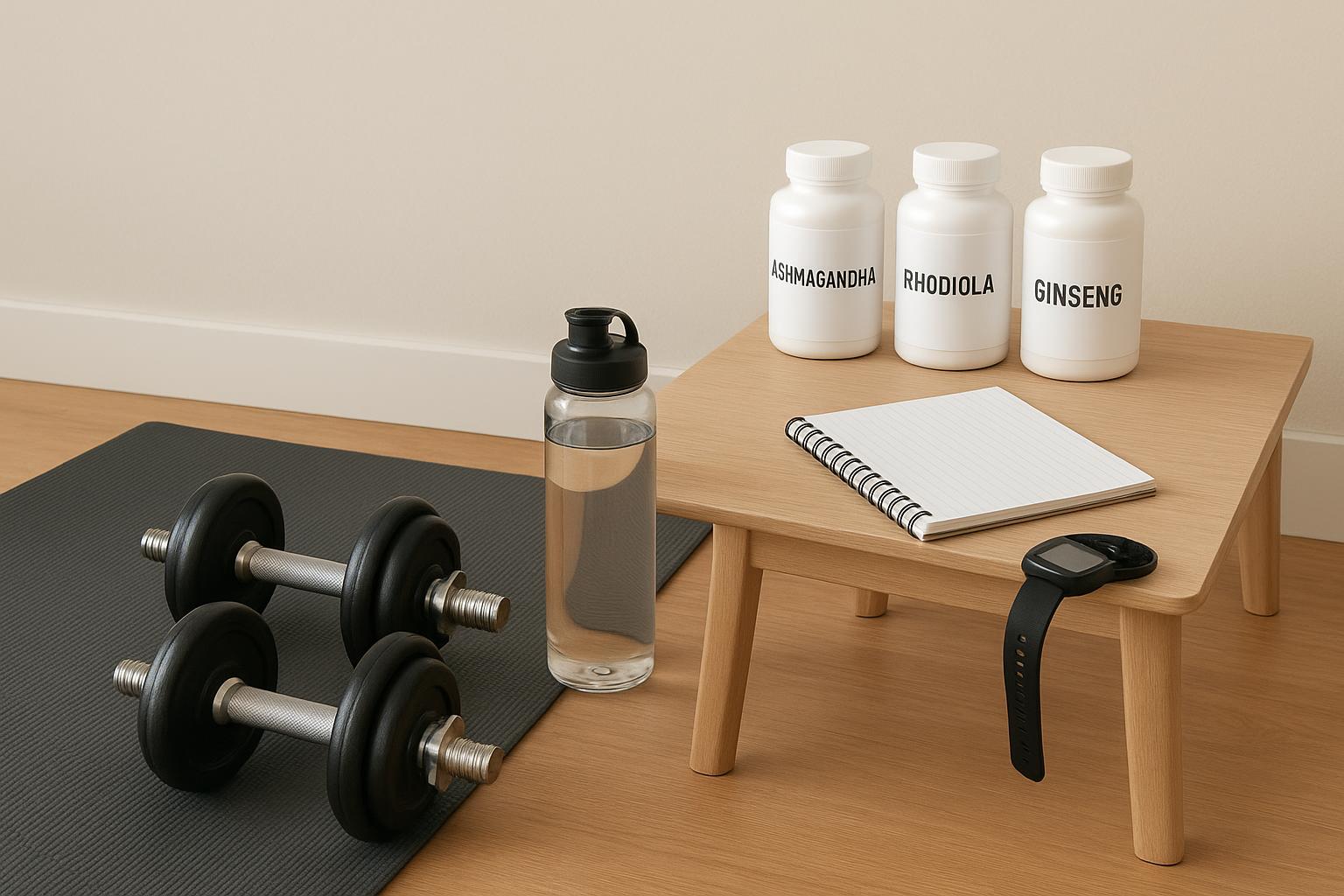
Training at home makes it easier to stay consistent, but it also means juggling work, family and workouts in the same space. Many people look to adaptogens like ashwagandha, rhodiola rosea and ginseng to support stress management, energy and recovery. These plant extracts are marketed as helpers for both body and mind, but what does the science actually say, how should you use them, and who should avoid them?
Table of contents
Ashwagandha: calm, sleep and strength support
Ashwagandha (Withania somnifera) is one of the most popular adaptogens for home athletes because it targets both stress and performance. Studies suggest standardised root extracts (providing withanolides) can reduce cortisol, improve perceived stress and modestly enhance strength and VO2 max in resistance‑trained adults. Typical evidence-based doses range from 300–600 mg per day of a high-quality extract taken for at least 6–8 weeks. Potential benefits for home lifters include better sleep quality, smoother recovery between sessions and a slight boost in training volume. Side effects are usually mild (digestive upset, drowsiness) but ashwagandha may affect thyroid and sedative medications, and should be avoided in pregnancy unless advised by a doctor.
Rhodiola: endurance and mental focus for busy schedules
Rhodiola rosea is often used when home workouts compete with long workdays and mental fatigue. Research indicates that standardised rhodiola extracts (typically 3% rosavins, 1% salidroside) can reduce feelings of burnout, improve cognitive performance under stress and support endurance. Doses in studies are usually between 200–400 mg, taken 30–60 minutes before demanding tasks or training. For home athletes, this may translate into better focus for complex lifts, more consistent effort in interval sessions and less perceived exertion. However, rhodiola can be mildly stimulating in some people, potentially disturbing sleep if taken late in the day, and may interact with antidepressants. Start on the lower end to assess tolerance.
Ginseng: energy, immunity and training consistency
Ginseng (especially Panax ginseng) is promoted for energy, immune support and overall vitality—useful when you are training at home through busy or cold seasons. Evidence suggests modest benefits for perceived fatigue, immune function and sometimes aerobic capacity, particularly in older adults or those under chronic stress. Effective daily doses generally fall around 200–400 mg of standardised extract. Ginseng can be mildly stimulating, so morning use is often preferable. Side effects may include headaches, digestive upset or sleep disturbance at higher doses, and it can interact with blood-thinning medication and drugs affecting blood sugar. As with all adaptogens, consistency over weeks matters more than single doses.
How to choose and combine adaptogens for home training
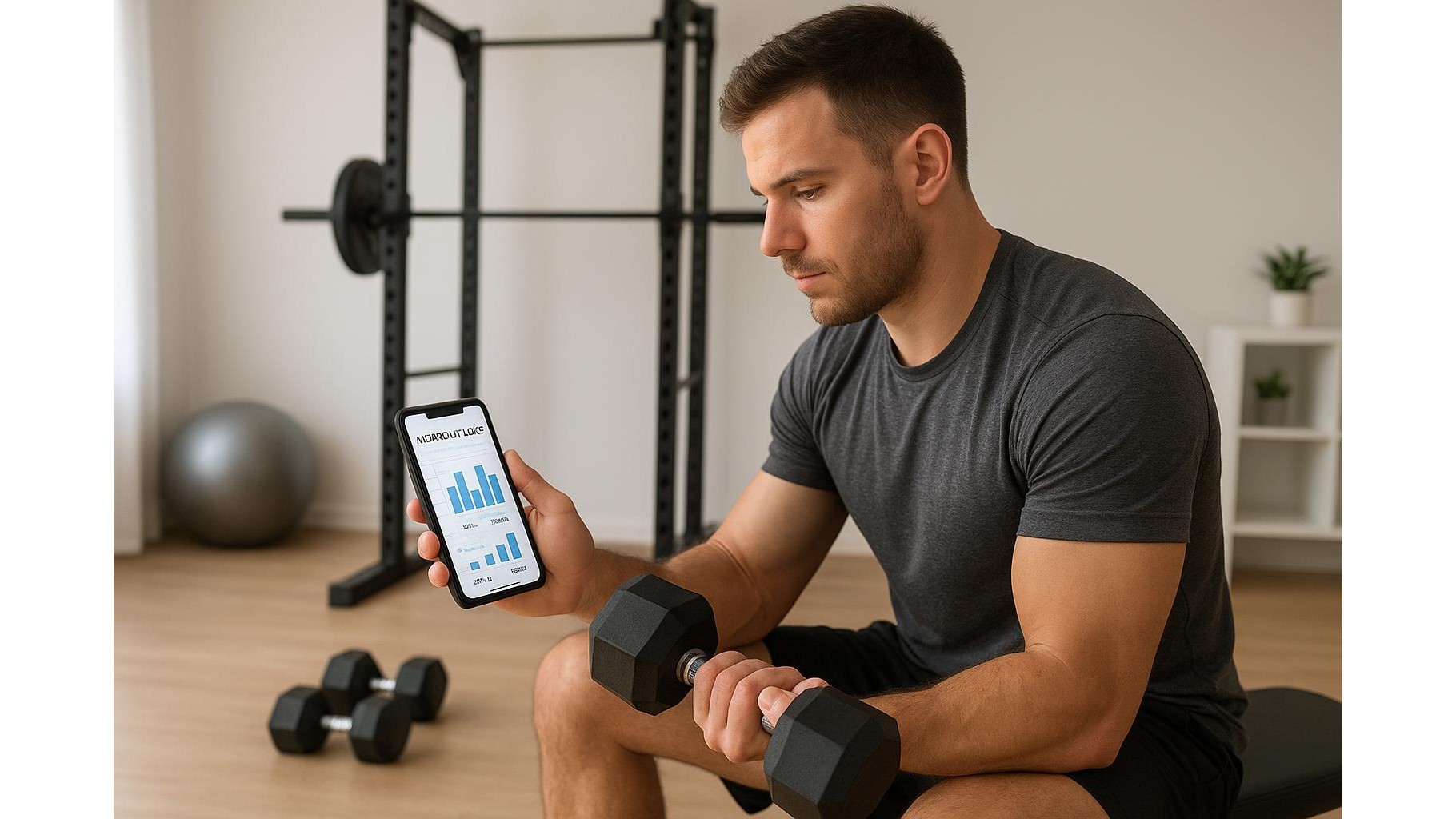
When selecting adaptogenic supplements for home use, focus on products that clearly state standardisation (e.g., withanolide content for ashwagandha, rosavins for rhodiola, ginsenosides for ginseng) and provide third‑party quality testing. Home athletes should first clarify their main goal: better sleep and recovery (ashwagandha), sharper focus and endurance (rhodiola), or more general energy and immunity (ginseng). Combining adaptogens can make sense—for example, ashwagandha in the evening and rhodiola in the morning—but this increases the risk of side effects and interactions. Always introduce one product at a time, monitor how it affects your training performance, mood and sleep, and keep a simple log of dose and response over at least 4–6 weeks.
Safety, who should avoid them and realistic expectations
Adaptogens are not magic powders, and for home athletes they should sit on top of foundations: adequate sleep, a balanced diet rich in protein, and a structured training plan. People who are pregnant or breastfeeding, have autoimmune, thyroid, cardiovascular or psychiatric conditions, or who take prescription medications (especially for mood, blood pressure, blood sugar or clotting) should talk to a healthcare professional before using any adaptogen. Start with conservative doses, avoid taking stimulating adaptogens close to bedtime, and stop immediately if you experience unusual symptoms. Remember that individual responses vary: some home athletes notice reduced stress, steadier energy and slightly better training output, while others feel little difference. Use adaptogens as tools to support, not replace, smart programming and recovery habits.
For home athletes, ashwagandha, rhodiola and ginseng can offer subtle but meaningful help with stress resilience, focus and training consistency when used thoughtfully. The strongest data support ashwagandha for stress and strength, rhodiola for fatigue and endurance under pressure, and ginseng for overall vitality. Choose well‑standardised products, respect doses, and pay attention to side effects and interactions. Most importantly, treat these supplements as an optional layer added to a solid home‑training routine built on good sleep, nutrition and progressive overload—because no adaptogen can compensate for gaps in those fundamentals.